England's summer of Test cricket has not gone entirely to plan, a statement that is something of an understatement. At times, it has been like watching Gromit frantically laying track in front of a runaway locomotive. The England and Wales Cricket Board are still throwing down sleepers, reacting to footage of centrally-contracted Brydon Carse in police handcuffs outside a bar in Derby on Saturday night following a match for Durham. Carse was released without charge, but it continues a madcap season.
A season of upheaval
England's talismanic captain was stung by a disciplinary and then retired mid-Test, turning a series defeat into a bizarre Viking funeral. The head coach was then sacked from the format soon after, both men having been backed to continue just weeks earlier. A common sight at nets has been folks in official training kit puffing out their cheeks with a wide-eyed "WTF" expression.
Joe Root now wears the captain's blazer full-time and works with a new coach who is 11,000 miles away via Zoom, clearly not the vision of stability that Richard Gould and Rob Key sold during their Ashes review back in March. But for all the upheaval and neurosis, including a curfew that has since evaporated, it may yet be that the darkest hour came just before dawn.

Signs of progress
There is a danger of getting ahead of ourselves by declaring an on-field resurrection. England's quickfire innings victory over Pakistan in the first Test saw the attack crackle and put smiles back on faces, but it was a jarring mismatch. When people start asking whether a side is the worst to visit these shores in X number of years, huge pronouncements are dangerous territory.
Before Carse's night out, the temperature around the team did lower a touch last week. Ben Stokes is a remarkable, compelling cricketer who as captain lifted a team up by their bootstraps. Players loved sharing a dressing room and breathing in the residual fumes. But perhaps it is not the worst thing that the team's mood is no longer pegged to a player whose emotions lurched a fair bit.
It wasn't just the era-defining Ashes defeat, where Stokes abandoned England's attacking mantra at 2-0 down and a confused team blinked on the one surface, Adelaide, where it could have delivered. In Pakistan the previous winter, England weren't just spun out on fan-dried pitches but also "treading on eggshells" as Stokes lost his cool to the point of feeling moved to apologise. This year began with Stokes swearily pledging his love for Test cricket, only to whip himself into a state during the five-month wait for its resumption and self-destruct after one win. Root will no doubt have his moments as he looks to change the story of his own captaincy, but the peaks and troughs will be less pronounced.
McCullum's legacy and new direction
The second aspect is Brendon McCullum. Gould and Key could have easily put the 2-1 defeat to New Zealand in June down to the Rex Rooms saga and the chaos it unleashed, before handing the New Zealander another chance. "The Ben Stokes show" had started to become a common phrase behind closed doors. But they realised, slightly belatedly, that with Stokes no longer around, the team would still struggle to shake off the Bazball tag; the shadow of its worst excesses would remain an impediment, even as the team tried to evolve into adopting a more adaptable, nuanced approach.
Root wanting to keep the better elements is no bad thing. McCullum injected positivity into an inherently cautious cricketing nation and for a generation of well-drilled but jaded senior players, it was transformative. But clearly there were limitations. The lack of a marquee series win said as much, likewise the key moments that were not grasped or the number of younger players who did not kick on in the environment.
The danger here was an over-correction. Stephen Fleming is yet to start as head coach, beyond his long-distance dialogue with Root. But his reputation as a details-focused man manager, and a tactically dynamic Test captain back in the day, means the pendulum is not lurching the other way. His trusting relationship with McCullum, who stays on with the white-ball team, should soften the inherent issues of split-coaches, including that age-old battle for resources.

Selection and bowling bright spots
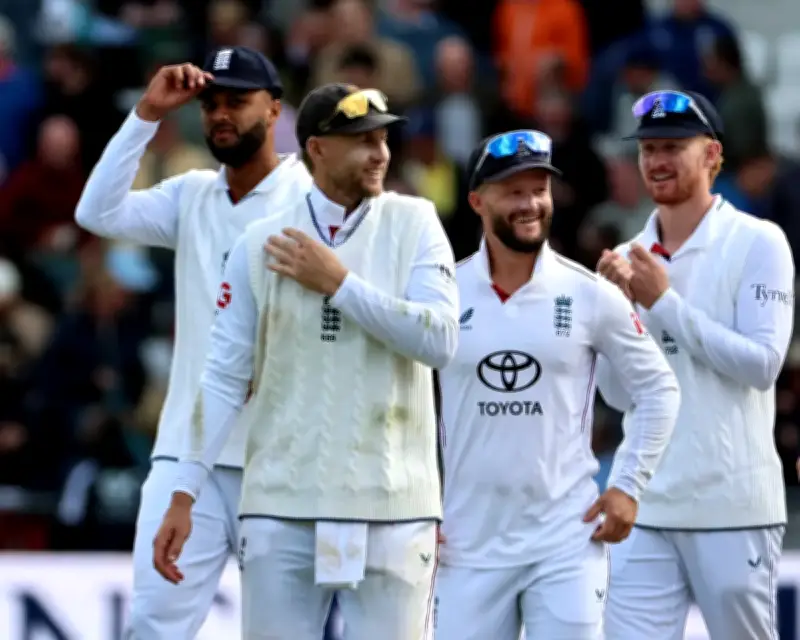
Another area where England's Test team suddenly looks a touch healthier is in selection. At Headingley, beyond Root and the remarkable Harry Brook, there is welcome competition for places. Caps will no longer be pumped into preferred players, regardless of returns, in the name of fostering a brotherhood. England continue to pick attacking players but things feel less prescriptive than before.
Jordan Cox in particular made people sit up with a controlled but confident 73 from first-drop. In theory, Cox is keeping a spot warm for Jacob Bethell as he nurses a knee problem. But with others like Dan Lawrence and Emilio Gay also looking to nail down positions before the winter, it might not be Cox who makes way. Jamie Smith, improving as a keeper, needs some runs, not least with Cox also being a gloveman.
Then there is the bowling which, without Stokes to balance things, is clearly limited in one regard – namely the difficulty of accommodating a frontline spinner, were they to actually have one. But in home conditions, the four-pronged pace attack is quietly exciting all the same. The re-emergence of Ollie Robinson is the key, even if he still has to show he can string a run of Test matches together.
For all that Stokes did not commit when asked back in June if he could ever play under another Test captain, a return for next summer's Ashes is not totally out of the question given his bond with Root. As Key put it, even if simply to dodge a headline, it would be a great story. Watching Stokes fire in the whites of Durham and look so carefree doing so, it might be that he simply needed a sabbatical. For now, the Test team has its own chance to breathe, rediscover itself under a calmer leadership style, and start getting things back on track.