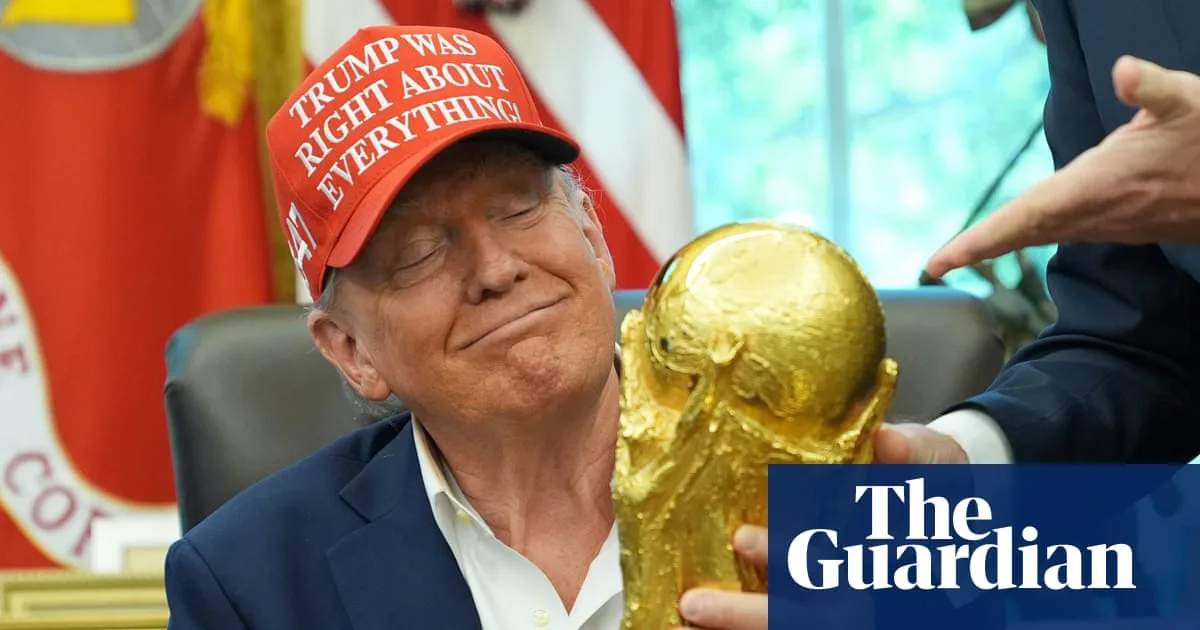
With five months to go until the 2026 World Cup, political tensions are impossible to ignore. Host nation the United States has stepped up visa restrictions and deployed armed immigration officials, while qualifier Iran faces a public uprising against its leadership. Other concerns include democratic backsliding in Tunisia, ecological damage in Ecuador, and human rights issues in future host Saudi Arabia.
FIFA President Gianni Infantino has called the tournament “the greatest show ever on planet Earth,” but critics fear it will highlight global instability. However, this is not the first World Cup to raise ethical questions. In 1978, Amnesty International launched its first major campaign focused on a sporting event, targeting Argentina’s military dictatorship with the slogan “Football yes – torture no.”
Amnesty’s head of sports and human rights, Steve Cockburn, explains that the 1978 campaign aimed to generate attention and pressure for change, not to boycott the tournament. It did not demand action from FIFA, as the organisation’s human rights responsibilities were not yet legally defined. That changed after the 2008 Beijing Olympics and the awarding of the 2018 and 2022 World Cups to Russia and Qatar, leading FIFA to adopt the UN Guiding Principles on Business and Human Rights in 2016.
Despite this, campaigns to influence FIFA’s behaviour—over Qatar, Saudi Arabia, or Israel—have largely failed. FIFA’s statutes state it “remains neutral in matters of politics and religion.” Nick McGeehan of FairSquare argues that football’s significance means the idea of separating sport and politics is nonsense, and the sport’s power should be used appropriately.