World Cup 2026 Boycott Stances Emerge Amid Geopolitical Tensions
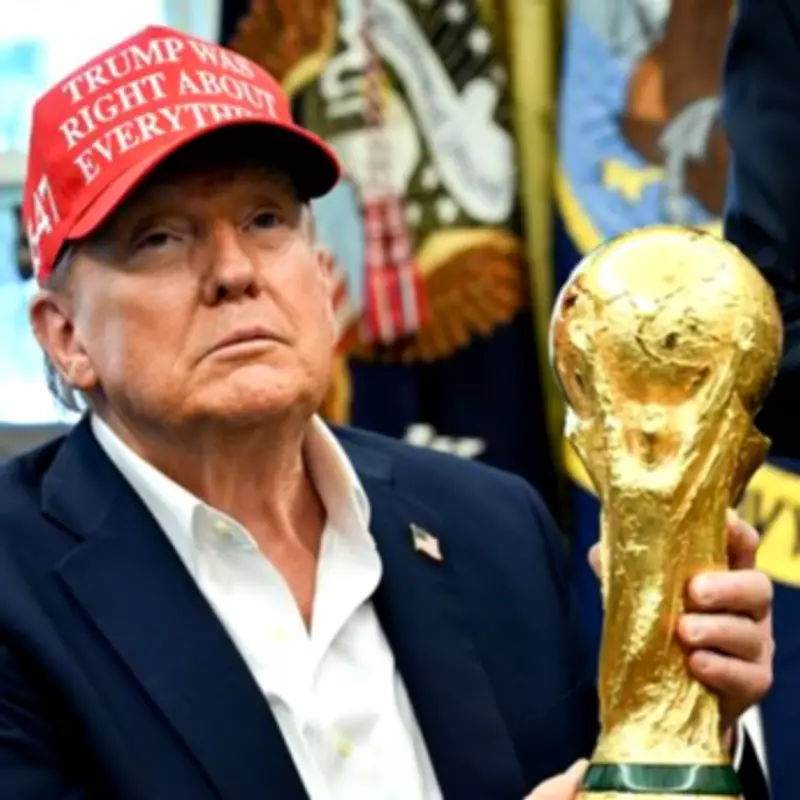
As World Cup 2026 rapidly approaches, the pinnacle of international football is set to unfold across North America with 104 matches scheduled in the United States, Mexico, and Canada. However, escalating geopolitical tensions and foreign policy disputes are casting a shadow over the tournament, with the involvement of several nations, notably Iran, hanging in the balance. The United States and President Donald Trump are central figures in this brewing conflict, sparking widespread speculation about potential boycotts by participating countries.
Iran's Precarious Position and Diplomatic Standoff
Iran has not formally withdrawn from World Cup 2026 but remains locked in a tense standoff with the United States. This month, Sports Minister Ahmad Donyamali declared it "not possible" for Iran to attend the competition, citing severe diplomatic strains. In a recent development, Mehdi Taj, president of the Iranian Football Federation, indicated that participation might still occur if all of Iran's fixtures are relocated to Mexico. Currently, Iran is drawn in Group G and is scheduled to play two matches in Los Angeles and one in Seattle.
New Zealand, one of Iran's anticipated opponents, has clarified its stance on the situation. Head coach Darren Bazeley emphasized that preparations are proceeding normally for their June 15 match against Iran, stating, "They [Iran] are the team that qualified and we got drawn against them. That's still the fixture and until we get told otherwise, we'll continue with that preparation." This reflects a wait-and-see approach among some nations as uncertainties persist.

European Nations Respond to US Policies
In Europe, Germany faced calls to boycott the tournament in January following President Trump's controversial takeover bid for Greenland and military operations in Venezuela. The German football federation swiftly dismissed these appeals, firmly ruling out any such move. Similarly, Spain's World Cup involvement has been thrown into doubt after Trump threatened to sever all trade relations with the country due to its refusal to support US strikes against Iran. Spanish Prime Minister Pedro Sanchez has been a vocal critic of US foreign policy, though no formal boycott proposal has been advanced.
Both France and the Netherlands declared in January, in response to Trump's threats regarding Greenland, that they would not pull out of the competition at this stage. This position has been echoed by Denmark and Belgium, indicating a collective European commitment to participation despite political friction. Norway has expressed disapproval of Israel's involvement in the contest but has stopped short of suggesting a boycott, highlighting nuanced diplomatic stances.
UK and Other Nations Maintain Participation Plans
Despite appeals from certain Members of Parliament in the United Kingdom, there is currently no indication that England or Scotland will boycott World Cup 2026. This stance extends to Northern Ireland and Wales should they qualify, underscoring a broader trend of nations prioritizing sporting engagement over political protests. The silence from many other participating countries suggests they will also compete as planned, though underlying tensions remain palpable.
Travel Bans and Visa Issues Complicate Fan Attendance
Beyond boycotts, practical challenges loom for several nations due to travel bans imposed by the Trump administration. Iran and Haiti are under full entry bans, prohibiting their citizens from obtaining both immigrant and non-immigrant visas. Other teams face partial restrictions that could suspend B-1/B-2 (tourism/business) and student visas, effectively preventing fans from attending matches in the US. Affected countries include Senegal, the Ivory Coast, Nigeria, and Venezuela, with potential impacts on Brazil, Colombia, Uruguay, Argentina, Egypt, and Morocco due to escalating administrative crises.
These visa issues not only threaten fan participation but also add logistical hurdles for teams and organizers, potentially disrupting the tournament's atmosphere and operations. As World Cup 2026 draws nearer, the interplay of geopolitics and sport continues to evolve, with nations navigating a complex landscape of diplomatic pressures and competitive aspirations.