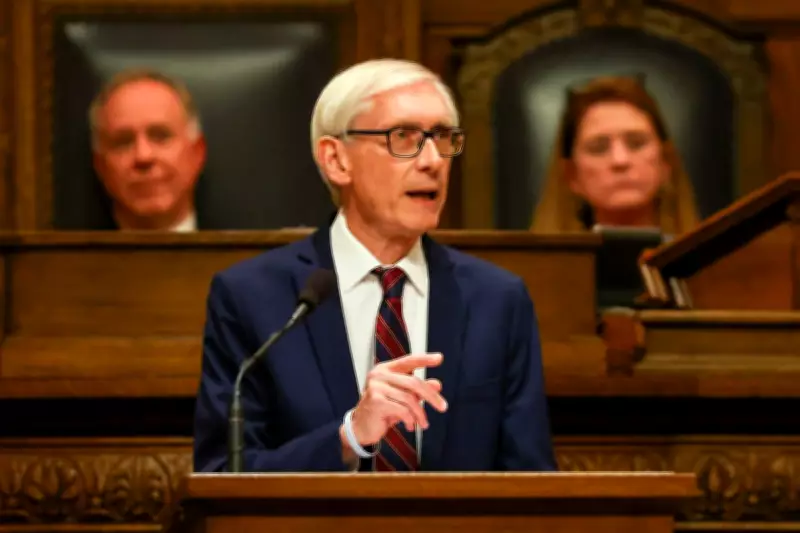
Governor Tony Evers has officially enacted legislation that legalises online sports betting in Wisconsin, positioning the state as the thirty-third in the nation to authorise this form of gambling. The bill, which received bipartisan legislative approval, was signed into law on Thursday, April 9th, 2026.
Implementation Hinges on Tribal Negotiations
Despite the law's passage, residents of Wisconsin will face a significant waiting period—potentially extending for months or longer—before they can legally place online sports bets. The legislation mandates that the state must first negotiate new agreements with the eleven federally recognised American Indian tribes, who will be responsible for operating the sports betting platforms.
Governor Evers emphasised that he will not endorse any plan that favours one tribe over another, stating in an official release: "The real work begins today. Each of the 11 Tribes must now work diligently—and together—to shape the future of sports betting in Wisconsin. An approach that exacerbates long-standing inequalities among Tribal Nations is not good for Wisconsinites or Wisconsin. I will not entertain it as governor."

Exclusive Tribal Control and the Hub-and-Spoke Framework
Under Wisconsin's existing tribal compacts, gambling is legally permitted solely on tribal lands through exclusive contracts between the tribes and the state. Currently, sports wagers can only be placed at specific tribal casinos, with online sports betting remaining illegal.
The new statute stipulates that online sports betting will be allowed exclusively if the necessary infrastructure, such as computer servers, is situated on tribal lands within Wisconsin. This operational structure, known as the "hub-and-spoke" model, is already employed in Florida and ensures tribal oversight of the betting systems.
Revenue Sharing and Public Benefit Initiatives
According to the tribal compacts, a percentage of gambling revenues generated by the tribes is returned to the state. In 2024, tribal payments to Wisconsin from casino earnings exceeded sixty-six million dollars. Governor Evers highlighted that the new law presents an opportunity "to support mental health programs and to combat the opioid crisis, two issues that I know plague both Tribal Nations and communities across our state."
Support and Opposition from Key Stakeholders
Proponents of the measure include several Wisconsin tribes and the Milwaukee Brewers baseball organisation. They argue that residents are currently engaging in sports betting through unregulated offshore platforms, prediction markets, or by travelling to neighbouring states like Illinois where it is legal.
Conversely, the Sports Betting Alliance—representing major operators such as FanDuel, DraftKings, bet365, BetMGM, and Fanatics—opposed the legislation. The alliance contends that partnering with Wisconsin tribes would be financially unviable due to federal regulations requiring tribes to receive sixty percent of gambling revenues. They advocate for a state constitutional amendment that would open sports betting to all operators.
Governor's Stance and National Context
Governor Evers, who is not seeking a third term this year, initially committed to signing the bill provided it had the backing of all eleven tribes. He later expressed concerns when not every tribe was aligned, but confirmed on Thursday that all tribes are now actively engaged in negotiations regarding the law's implementation.
Nationally, the American Gaming Association reports that state-regulated sportsbooks managed nearly one hundred and sixty-seven billion dollars in bets last year, yielding revenues of approximately seventeen billion dollars after customer payouts. This represents a year-over-year increase of almost twenty-three percent, underscoring the rapid expansion of the legal sports betting market across the United States.