The Vanishing Manager: Why Football's Patience Has Run Out
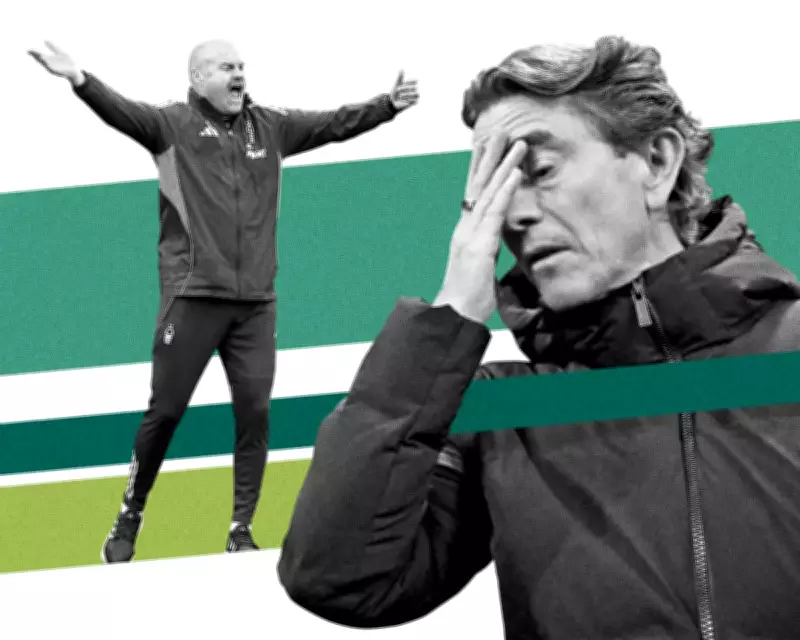
In recent weeks, the football world has witnessed the departures of Sean Dyche from Nottingham Forest and Thomas Frank from Tottenham Hotspur. Both managers were dismissed after poor runs of form, with Frank winning only two of his last 17 league games and Dyche just two of his previous 10. These decisions reflect a growing trend in the Premier League, where managerial tenures are shrinking dramatically.
A Season of Instability
Excluding caretakers and interims, the sackings of Dyche and Frank bring the total number of Premier League managers to leave their jobs this season to eight. This follows a pattern of high turnover, with 10 departures last season, nine in 2023-24, and an astonishing 18 in 2022-23. To put this in perspective, during the inaugural Premier League season of 1992-93, there were only four managerial changes. The average lifespan of a Premier League manager has plummeted from approximately four seasons to just about a season and a half.
Volatility has become ingrained in English football, mirroring the chaotic managerial carousel once mocked in Italian leagues. Clubs now frequently employ "ferrymen"—temporary managers like Igor Tudor at Tottenham—to steer them through to the end of a season. This shift is partly due to the influence of long-serving managers like Pep Guardiola at Manchester City, whose decade-long tenure skews the average, but teams like Tottenham and Nottingham Forest exemplify the extreme cases.

The Unmanageable Clubs
Tottenham Hotspur, in particular, has become a public meat grinder for managers, cycling through six permanent bosses since moving into their new stadium in 2019. The elevated expectations at the club seem to outpace squad development, creating an environment where no manager can thrive. Nottingham Forest, on their fourth manager this season, is heavily influenced by their volatile owner, Evangelos Marinakis, whose impatience fuels constant change.
This instability is not isolated to football. The role of the manager has evolved significantly over time. In the early days of league football, managers were mere administrators, handling logistics while boards selected teams. Figures like Herbert Chapman later brought tactical influence, but managers often served as scapegoats for poor results. Post-World War II, iconic managers like Matt Busby and Brian Clough became central figures, shaping their clubs' identities.
The Modern Scapegoat
Today, while managers like Guardiola and Mikel Arteta retain significant influence, the key figure at most clubs is once again the owner. In an era where football is highly stratified, managers are paradoxically seen as both crucial and expendable. This mirrors broader societal trends: the UK has had five prime ministers in seven years, and CEO turnover at major companies hit record highs in 2025, driven by activist shareholders and global turmoil.
Voters, shareholders, and fans alike exhibit unprecedented impatience. In a social media age, every grievance is amplified, algorithms promote discontent, and performative outrage becomes profitable. This environment makes long-term planning nearly impossible, eroding trust in leadership across all sectors.
Are We All Marinakises Now?
The question arises: have we all become like Evangelos Marinakis, quick to dismiss leaders at the first sign of trouble? The rapid changes in football management reflect a world where new challenges demand swift responses, but also one where patience is a scarce commodity. As managerial tenures shrink, the very concept of stability in football is under threat, suggesting that the sport may be entering an era of perpetual flux.
This analysis draws from insights in Soccer with Jonathan Wilson, highlighting how football's managerial crisis parallels wider societal shifts. The decline in patience is a multifaceted issue, driven by economic pressures, media dynamics, and cultural changes that prioritize immediate results over sustained growth.