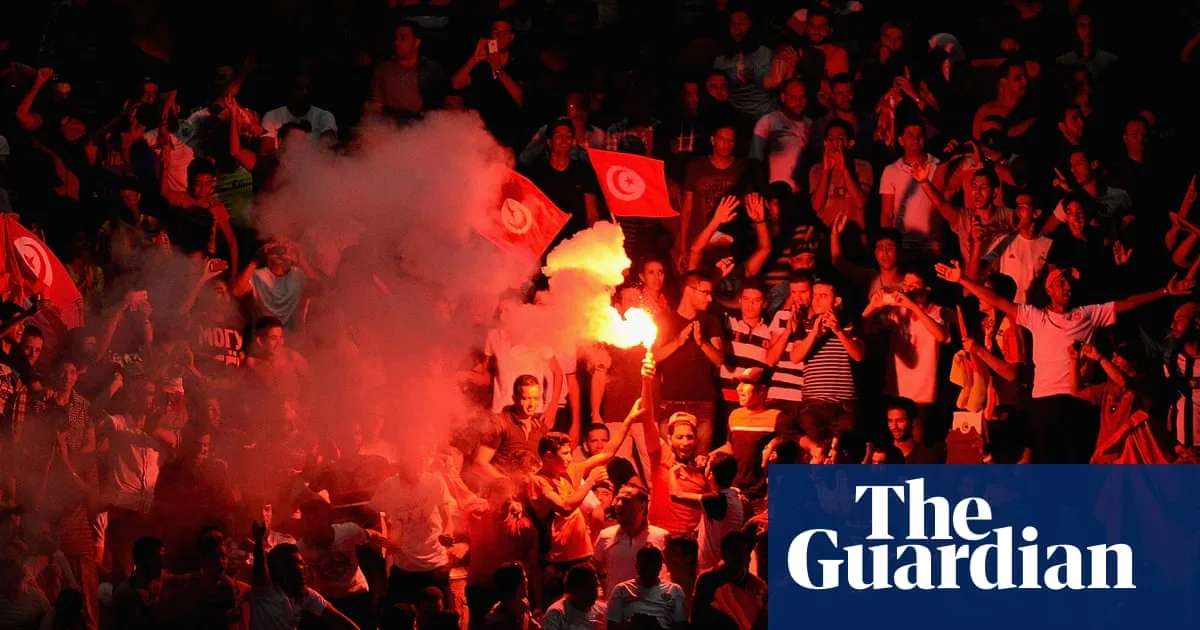
Tunisia stormed through African qualifying without conceding a single goal in 10 matches, a record shared only with Côte d'Ivoire. However, the road to the 2026 World Cup was marked by constant changes in the dugout, with three different coaches leading the team: Jalel Kadri, Montasser Louhichi and Sami Trabelsi. The current manager, Sabri Lamouchi, took over shortly after Tunisia's Africa Cup of Nations exit in January.
Lamouchi, who was close to representing Tunisia in 1993 but never played for the national team, has made a major shift towards youth. His first squad selection and promise to take only three goalkeepers to the World Cup—a decision that contrasts with the controversial four-goalkeeper selection for Qatar 2022—have been warmly welcomed by supporters.
Tactically, Lamouchi has experimented with a 4-3-3 and a 4-2-3-1 formation in friendlies against Haiti and Canada. His playing career included Ligue 1 titles with Monaco and Auxerre, and stints at Parma and Inter. As a coach, he led Côte d'Ivoire to the 2013 Africa Cup of Nations quarter-finals and the 2014 World Cup group stage, and has managed clubs including Rennes and Nottingham Forest.
Key players include Hannibal Mejbri, who has become the face of the team after choosing Tunisia in 2021. The midfielder, now at Burnley, wears the No 10 shirt and is the first name on the teamsheet. Another talent is Ismaël Gharbi, a 22-year-old attacking midfielder developed at Paris Saint-Germain, currently on loan at Augsburg. Despite limited appearances after a coaching change, Gharbi has the backing of Lamouchi.
Lamouchi's contract includes no specific objective for the World Cup, but targets have been set for the next Africa Cup of Nations. The Eagles of Carthage will aim to progress from the group stage for the first time in their history.