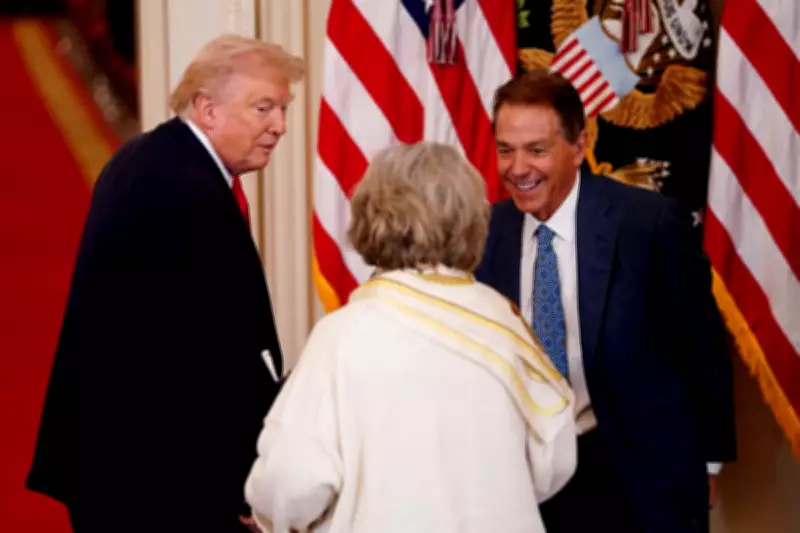
In a significant development for collegiate athletics, former President Donald Trump has signed an executive order targeting name, image, and likeness (NIL) rights in college sports. This move has immediately triggered an urgent summit convened by the National Collegiate Athletic Association (NCAA) to deliberate on the far-reaching consequences for student-athletes, universities, and the broader sports landscape.
Executive Order Details and Immediate Reactions
The executive order, unveiled earlier this week, aims to reshape the regulatory framework governing NIL agreements, which allow college athletes to profit from their personal brands. While specific provisions remain under scrutiny, initial reports suggest the order advocates for enhanced federal oversight and standardized guidelines to replace the current patchwork of state laws. Proponents argue this could streamline operations and ensure fairness, but critics warn it may encroach on institutional autonomy and complicate compliance.
NCAA Summit: A Critical Response
In response to the executive order, the NCAA has hastily organized a high-stakes summit involving key stakeholders, including university presidents, athletic directors, and legal experts. The primary agenda focuses on assessing the order's potential impact on recruiting, revenue distribution, and the amateur status of college sports. Discussions are expected to cover strategies for adaptation, potential legal challenges, and collaborative efforts to safeguard the interests of athletes while maintaining competitive balance.

Stakeholder Perspectives and Broader Implications
Reactions from the college sports community have been mixed. Some athletes and advocacy groups welcome the order as a step toward greater financial empowerment, citing long-standing calls for equitable compensation. Conversely, many university officials express concern over increased federal intervention, fearing it could disrupt existing NIL deals and impose burdensome regulations. The summit aims to bridge these divides by fostering dialogue and exploring compromise solutions that balance innovation with tradition.
Looking Ahead: The Future of College Sports
As the NCAA summit unfolds, the broader implications for college sports are becoming clearer. This executive order could accelerate trends toward professionalization, prompting debates over athlete unionization, revenue-sharing models, and the very definition of amateurism. Observers note that the outcome may influence not only domestic policies but also set precedents for international collegiate athletics. With the landscape evolving rapidly, stakeholders emphasize the need for proactive measures to ensure sustainability and fairness in this new era.