Transgender Pool Player Appeals Ban in Landmark Fairness Case
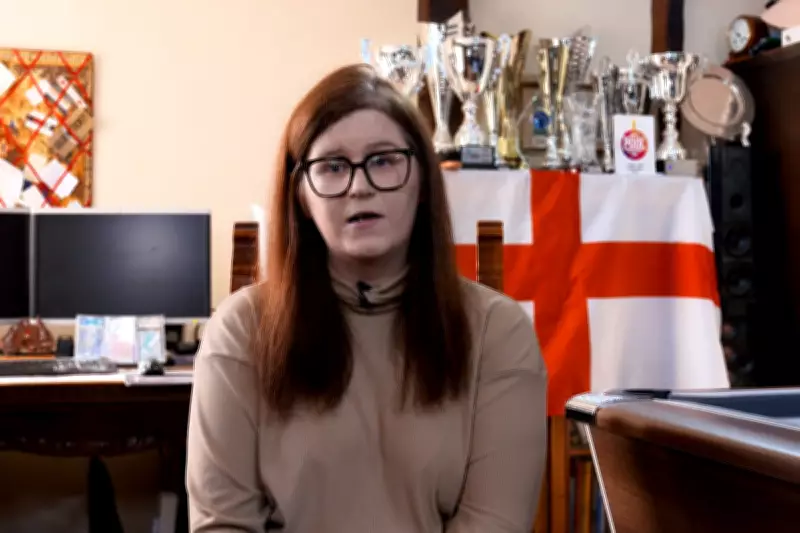
Harriet Haynes, a transgender pool player barred from women's English eight-ball tournaments, is launching a court appeal to overturn the ban, arguing it violates principles of "integrity and fairness." This legal challenge marks the first significant test of last April's milestone Supreme Court ruling, which defined a woman under equality law as someone biologically female, and its application to women's sports.
Court Battle Over Fair Competition
Haynes initially lost a discrimination claim against the English Blackball Pool Federation (EBPF) at Canterbury County Court in August 2025. The judge upheld the federation's policy, stating that excluding individuals not assigned female at birth was essential to ensure "fair competition." However, Haynes has now been granted permission to appeal this decision, bringing the case to a higher court where broader implications will be scrutinized.
"The appeal grant has gone as well as we could have ever expected," Haynes remarked. "We are so close, yet so far. If we win on any one of the points, we'll be in a really good spot. It's all about integrity and fairness—that's the whole point of our case."

Wider Implications of the Supreme Court Ruling
The Supreme Court's decision, initiated by campaign group For Women Scotland (FWS), has already triggered sweeping changes across various sectors. In sports, the Darts Regulation Authority recently banned transgender women from women's events with immediate effect, citing the ruling. Noa-Lynn van Leuven, the first transgender woman to compete in the Professional Darts Corporation World Championship in 2024, stated the decision "effectively retired her" from the sport.
Beyond athletics, transgender inclusion has been curtailed in organizations like the Girl Guides and the National Federation of Women's Institutes, both of which have restricted membership based on biological sex. Haynes expressed frustration over these developments, noting, "I'm not scared of any repercussions, but just going into a female toilet in a workplace now is almost forbidden. How are they going to regulate that? And how does that align with my Section 8 of the Human Rights Act?"
Legal Arguments and Expert Testimony
Haynes' legal team will argue that the ban infringes on Article 8 and Article 14 of the European Convention on Human Rights, which protect the right to a private life and prohibit discrimination. They contend that the Supreme Court ruling does not justify blanket exclusions without proper process.
Matt Champ, senior associate at Colman Coyle representing Haynes, emphasized, "Someone's got to go through the process, and it looks like we are going to be the first to grapple with these issues. Since the decision in FWS, everyone is jumping on the bandwagon and banning trans people whether rightly or wrongly."
The EBPF's policy was informed by a report from Dr. Emma Hilton, an academic developmental biologist and interim chair of trustees at sex-based rights group Sex Matters, who testified in the original case. Haynes criticized this approach, saying, "It's tough to put into words how unfair this whole situation is. The fact that they've gone out of their way to employ someone who is so one-sided—that's the biggest gripe for me."
Broader Context and Future Precedents
Fiona McAnena, director of campaigns at Sex Matters, welcomed the appeal, stating, "We welcome further scrutiny in the courts, so that all sports bodies are clear that the Supreme Court ruling applies to them. Anything offered for women can only be for biological females. That is how to ensure women and girls get fair sport."
This case, initially focused on pool, now holds potential to shape appellate interpretations of the FWS ruling for individuals across the UK. As Haynes prepares for her High Court appeal, the outcome could redefine fairness and inclusion in sports, balancing legal definitions with human rights protections.