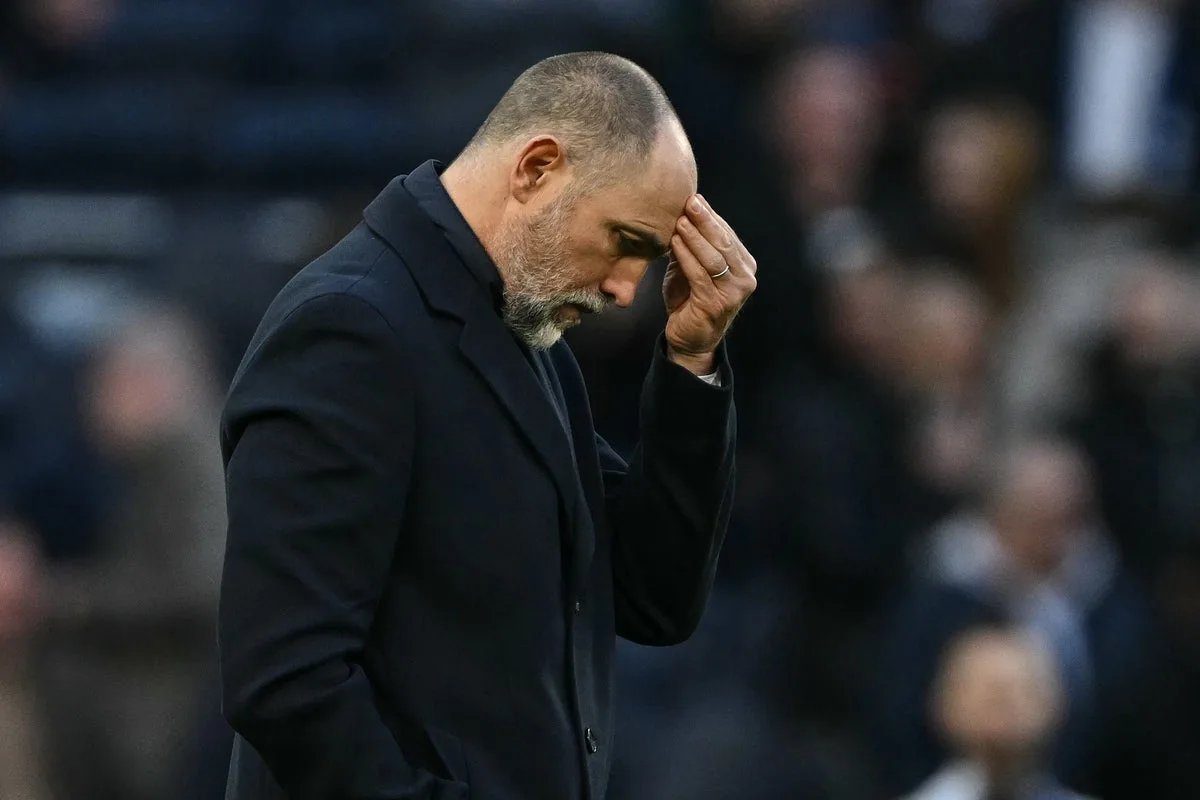
Tottenham Face Historic Humiliation as Relegation Threat Looms Large
Tottenham's Relegation Nightmare: One Game Could Save Them

Tottenham's Unthinkable Relegation Nightmare

For Tottenham Hotspur, a club ranked as the ninth wealthiest in global football by revenue, the prospect of relegation should be impossible. Yet, as the 2025-26 season unfolds, this historic humiliation has become a terrifying reality. The atmosphere at the club has turned from concern to genuine fear following Sunday's devastating defeat to Arsenal.

The Haunting Aftermath of Derby Defeat

Players appeared visibly beaten after the match, but more telling was the reaction from the hierarchy. Club officials were described by witnesses as "haunted" by what they had witnessed. This wasn't merely about suffering the heaviest home defeat to Arsenal since 1978. This represented a fundamental realization that changing managers wouldn't quickly fix the deep-rooted problems plaguing the club.

New manager Igor Tudor faces what might be the most difficult job in Tottenham's history. The negative atmosphere persists, and there's no quick solution in sight. Most alarmingly, relegation has transformed from distant possibility to immediate threat.

Wide Pickt banner — collaborative shopping lists app for Telegram, phone mockup with grocery list

The Fulham Crucible

This weekend's match against Fulham has taken on monumental significance. More than just another Premier League fixture, this game will reveal more about Tudor's capabilities with this squad than even the north London derby did.

A victory would provide immediate relief, offering breathing space and the positive momentum of a first win this year. A draw would at least demonstrate progress, though it wouldn't fully address their precarious position. Any defeat, however, would trigger full-scale alarm bells throughout the organization.

The tension surrounding this match is suffocating, with immense pressure on players and management alike. Should Tottenham actually suffer relegation, it would represent the Premier League's biggest ever demotion and arguably English football's most significant since Manchester United's 1973-74 relegation.

Astonishing Underperformance

What makes Tottenham's situation particularly remarkable is how it contradicts their financial standing. Unlike Leeds United's 2003-04 relegation, which resulted from financial overextension, Tottenham have the opposite problem. Their wealth should make relegation virtually impossible in modern football's economics.

In today's game, where wage bills correlate approximately 90% with final league positions, Tottenham's resources should guarantee safety. The ownership wants to spend more, and the wage bill is already relatively high. This makes their potential relegation a shocking waste of resources - what one might call reverse alchemy in football history.

From Champions League Final to Relegation Battle

The contrast with recent history is stark. Just seven years ago, Tottenham reached the Champions League final, what should have been a launching point for sustained success. Instead, it has become a peak from which they've fallen dramatically.

Even more frustrating for supporters is the gradual nature of this decline. There's been no single catastrophic moment, but rather a steady erosion that many fans attribute to ownership decisions over 25 years. Questions persist about the hierarchy's actual ambitions, with some Premier League executives believing the Lewis family needs to sell for a proper refresh.

Structural Problems Exposed

The departure of former chairman Daniel Levy, long desired by many fans, has ironically precipitated greater collapse. His abrupt exit prevented a smooth transition, exposing multiple structural weaknesses:

  • Lack of football expertise at decision-making levels
  • Absence of coherent football philosophy
  • Mismatched squad composition with considerable "scar tissue"
  • Persistent speculation about dressing room cliques

The club's previous conservative wage policy, keeping player salaries as a low percentage of revenue despite affordability, has contributed to the current squad imbalance. Meanwhile, potentially transformative figures like Michael Edwards have departed for success elsewhere.

Pickt after-article banner — collaborative shopping lists app with family illustration

The Tudor Challenge

Igor Tudor now faces the unenviable task of making sense of confusion at all levels. He believes the squad contains talent that fits his formation, but time is desperately short. The pressure is immense, with every existing problem suddenly combining to create a perfect storm.

One victory could change everything - settling nerves, restoring confidence, and potentially saving their Premier League status. Yet this very dependence on a single result highlights the incredible nature of their predicament. A club wealthy enough to join the Super League just five years ago now relies on intangible factors like momentum and morale to avoid historic humiliation.

Looking Beyond the Crisis

Discussions have already begun about what relegation would mean for Tottenham. With high fixed costs, reduced television revenue, changing sponsorship deals, and decreased match-day income, the financial implications would be severe. Some investors might see opportunity in purchasing the club at a discount, recognizing its strong business infrastructure.

Paradoxically, some football figures view this crisis as a potential opportunity for transformation, given Tottenham's inherent advantages. But to reach that point, they must first secure survival. Everything hinges on that elusive victory that could change their trajectory completely.

The coming days will determine whether Tottenham can avoid becoming the most remarkable relegation story in Premier League history, or whether their wealth and recent European pedigree will count for nothing in the face of football's harsh realities.