The Set-Piece Surge: A Tactical Transformation in English Football
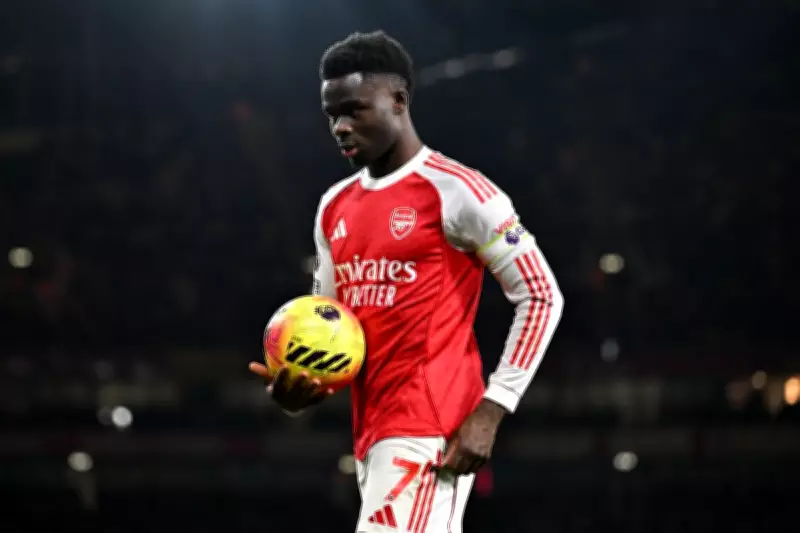
Arsenal's pivotal 2-1 triumph over Chelsea not only solidified their position at the Premier League summit but also underscored a profound tactical evolution sweeping through England's top division. The match confirmed a striking statistic: this season has already witnessed more goals from set-pieces than the entirety of the 2024-25 campaign, with a quarter of fixtures still remaining.
A League Redefined by Restarts
This phenomenon extends far beyond a single club. Arsenal, as the division's most prolific set-piece scorers and current leaders, merely exemplify a broader trend. The centrality of dead-ball situations has evolved from a fleeting tactical fad into a fundamental strategic pillar, reshaping how matches are contested and decided.
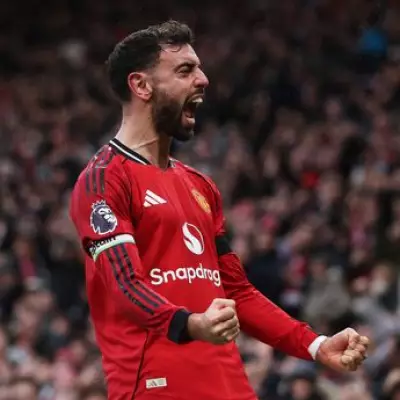
The past week alone provided extreme illustrations. Monday featured Manchester United's 1-0 victory at Everton, characterised by rugby-style jostling reminiscent of a lineout. By Sunday evening, Arsenal's decisive strikes against Chelsea cemented the statistical reality. The reasons for this surge are multifaceted, encompassing tactical innovation, defensive vulnerabilities, and the relentless demands of a congested football calendar.

The Aesthetic Debate and Unpredictable Drama
Some purists lament the visual spectacle, preferring flowing moves and individual brilliance over crowded penalty-area grappling. This contrast feels particularly stark amid billion-pound investments and global commercial ventures like the discussed "Premflix" streaming service. Yet, the Premier League simultaneously delivered vintage chaos, exemplified by Everton's dramatic 3-2 win at Newcastle and Burnley's seven-goal thriller with Brentford.
Arsenal's showdown with Chelsea, as the weekend's marquee fixture, inevitably shaped perceptions. The encounter's tense, tactical nature was influenced by two meticulous managers navigating an exhausting schedule. Such high-stakes contests are increasingly decided on fine margins, with set-piece proficiency often proving decisive.
Analytical Insights and Defensive Mismatches
Club analysts have identified significant "opportunity" in "restarts," driving this tactical pivot. For years, Pep Guardiola's positional ideology promoted short corners and sustained possession. Now, attacking innovations on set-pieces have outpaced defensive adaptations, creating a strategic mismatch likely to persist. Liverpool's recent reliance on seven consecutive set-piece goals to secure three straight victories further demonstrates this shift.
Mikel Arteta, while a professed disciple of positional play, argues that augmenting with set-pieces is a necessary counter to deep-lying defences. More revealing was his post-match admission regarding limited training time for specific game scenarios, a direct consequence of calendar congestion.
Stakeholder Concerns and the Unique "Product"
This training deficit represents a critical cost of the football calendar's expansion, a point seemingly overlooked by some club leaderships. Lawmakers are responding; the International Football Association Board's recent meeting explored measures to reduce grappling, with the Premier League expected to assess time limits and stricter enforcement next season.
Yet, for all the focus on football as an "entertainment product," its essence remains unique. Deep emotional investment ensures fan engagement transcends aesthetic quality. A dour goalless draw can still captivate, driven by narrative and loyalty.
Compelling Storylines Amid Tactical Transition
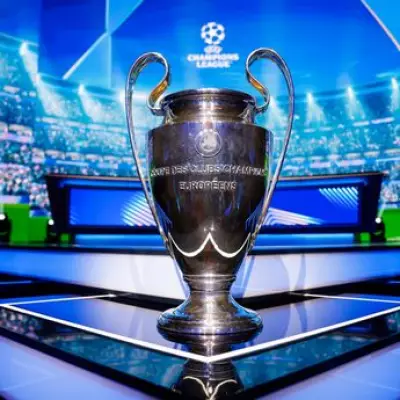
This season embodies that duality. While the football has sometimes been underwhelming, the storylines are extraordinarily compelling. A gripping title race, a charged battle for Champions League qualification, a mid-table where clubs like Brentford and Bournemouth eye historic European opportunities, and a relegation scrap potentially involving Tottenham Hotspur's fight for survival—all unfold against this tactical backdrop.
The Premier League's competitive intensity remains undimmed, even as its playing style undergoes a significant transformation. The set-piece revolution is not merely a statistical anomaly but a reflection of modern football's evolving pressures and innovations, proving there is evidently no single prescribed way to achieve success.