Liam Rosenior's Chelsea Challenge: Can He Emulate Mikel Arteta's Arsenal Success?
Rosenior's Chelsea Test: Emulating Arteta's Arsenal Success

Liam Rosenior's Chelsea Challenge: Can He Emulate Mikel Arteta's Arsenal Success?

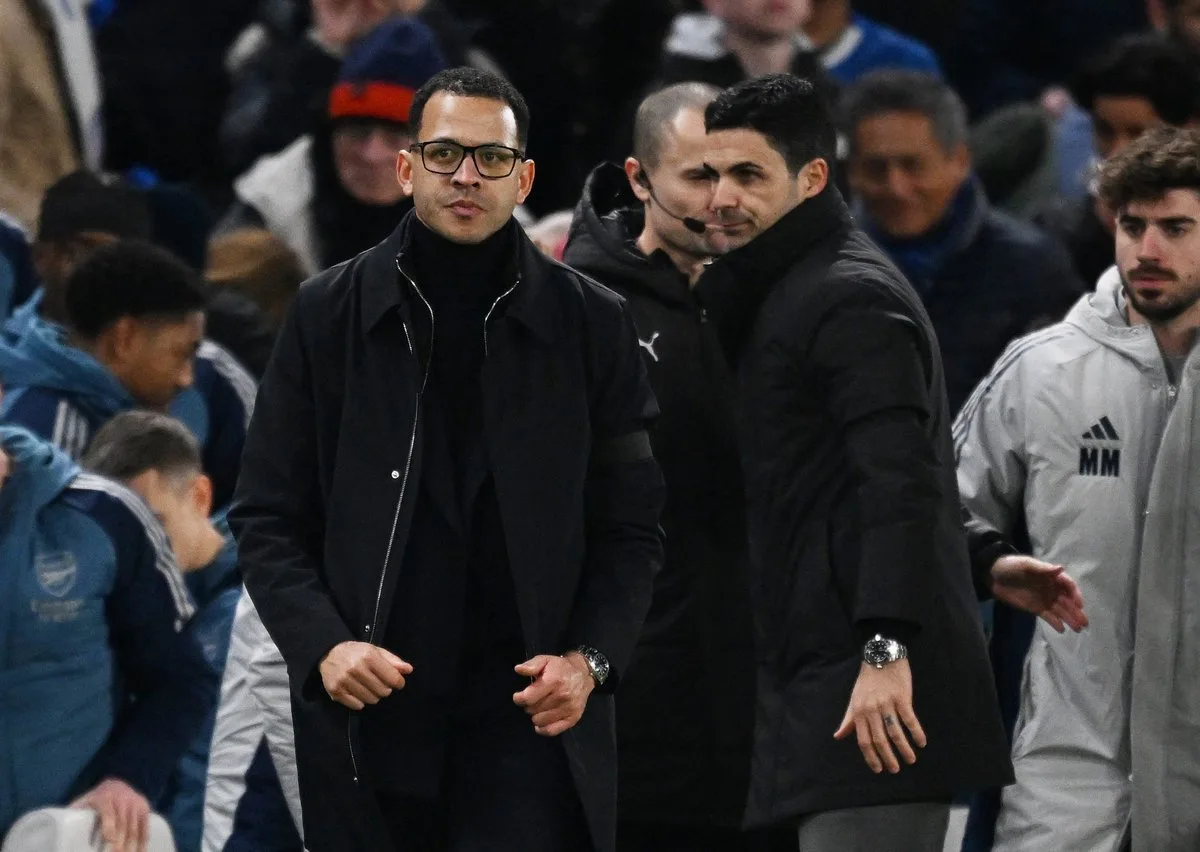
Liam Rosenior finds himself in a strikingly similar position to Mikel Arteta when the Spaniard took over at Arsenal six years ago. As Chelsea's young head coach, Rosenior possesses the talent and confidence to potentially become the club's answer to Arteta, but the chaotic environment at Stamford Bridge raises serious questions about whether the club can hold its nerve during a challenging rebuild.

Arsenal's Blueprint and Chelsea's Youthful Ambition

Arsenal's transformative journey under Mikel Arteta has long served as a reference point for Chelsea's owners, particularly in their post-Roman Abramovich shift towards youth and potential. Since Arteta's appointment in December 2019, he has masterfully reversed Arsenal's decline, turning the club into Premier League title contenders. Chelsea, eager to replicate this success, have sought a young, galvanising coach to lead their long-term project.

This is no easy task. Chelsea briefly believed they had found their rising star in Graham Potter, hired in September 2022, but his reign ended after just seven months. Now, hope rests on Liam Rosenior, who at 41 years old has made an encouraging start with eight wins in his first 12 games. His unconventional style and transmitted authority have so far kept criticisms about his inexperience at bay.

Wide Pickt banner — collaborative shopping lists app for Telegram, phone mockup with grocery list

The Volatility at Stamford Bridge

However, the key question remains: can Rosenior match Arteta's achievements, and more importantly, will he be given the time to succeed? Arsenal's stability stands in stark contrast to Chelsea's turmoil. Rosenior is the fifth permanent head coach under the ownership of Clearlake Capital and Todd Boehly, with Chelsea having cycled through nine managers, including interims, during the Arteta era. This constant upheaval is a primary reason why Chelsea have failed to mount a serious title challenge since their 2017 league win.

While Chelsea remain a strong cup team, capable of raising their game in one-off matches, they lack the consistency needed to compete with Arsenal, Liverpool, and Manchester City in the league. Rosenior has already encountered this issue, with recent home draws against Burnley and Leeds exposing a careless tendency to lose focus and defend leads immaturely. Dropping 19 points from winning positions this season highlights the squad's fragile mentality, which Rosenior must urgently address.

Discipline and Big-Game Performance

Behind the scenes, Rosenior needs to clamp down on indiscipline, such as Malo Gusto's wasteful no-look pass against Burnley. Chelsea's eight red cards this season, including Wesley Fofana's needless second yellow in the same match, underscore a broader problem. Yet, there are flashes of brilliance: Chelsea have beaten the champions of England, Italy, Spain, and France in the past year, and face Paris Saint-Germain in the Champions League last-16 with genuine confidence. The issue is their tendency to switch off against lesser opposition.

Rosenior's task is to lift standards across the board. With the youngest squad in the Premier League, he requires time to instil good habits. Whether he lasts will depend heavily on Chelsea's ability to move beyond chaos. Can the club hold its nerve during inevitable dips in form? Finding an Arteta-like figure is one thing; standing by him under pressure is another.

Arteta's Rocky Road and Chelsea's Structural Challenges

It is worth remembering that Arteta's path was far from smooth. At 37, he took over an Arsenal side struggling to move on from the Arsène Wenger era, with a messy squad and significant damage to repair. After winning the FA Cup in his first season, Arteta faced severe pressure, with Arsenal 15th and winless in seven league games before a crucial Boxing Day win over Chelsea in 2020. Arsenal's trust in him was tested repeatedly, and it was not until the second half of the 2021-22 season that his vision truly crystallised.

Pickt after-article banner — collaborative shopping lists app with family illustration

Arteta's success stems from his role as manager, not just head coach, giving him the power to knit everything together at Arsenal. In contrast, Chelsea operate with a collaborative structure featuring five sporting directors, which they claim breeds stability. However, their recruitment model, focused on young talents like João Pedro, Liam Delap, and Alejandro Garnacho, has produced mixed results, with too much volatility and erratic performances.

Simply handing Rosenior a six-and-a-half-year deal is not enough to prove Chelsea understand why Arteta has flourished. When the heat rises, Chelsea's faith in Rosenior will be tested. Their reaction will determine whether they can finally emulate Arsenal's steady climb back to the top.