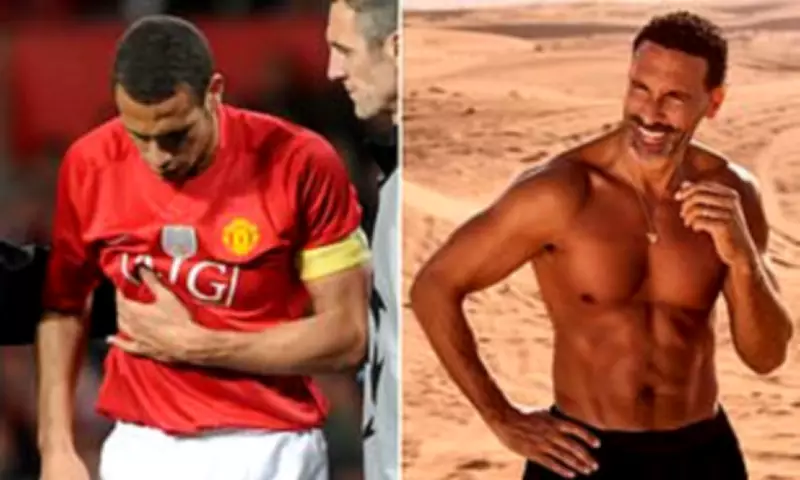
Rio Ferdinand has disclosed that the severe back injuries sustained during his illustrious football career have left him dependent on a wheelchair at times and frequently requiring hospitalisation. The 47-year-old former defender, who enjoyed a stellar tenure with Manchester United and the England national team, retired in 2015 after nearly 600 professional matches.
Chronic Pain from Football Career
Ferdinand explained that the physical toll of his playing days, during which he relied heavily on painkilling injections and tablets to compete, is now manifesting in debilitating ways. He and his wife Kate relocated from Britain to Dubai last year, and he has since revealed the ongoing struggles with his health.
Regular Hospital Visits and Wheelchair Dependence
In a candid interview with Men's Health UK, Ferdinand shared, "I've had a bad back for a long time. I've got injuries that I had from my career... I was on tablets and injections for six years to play games." He added, "That's affected me. I get some bad moments of back pain where I have to be in a hospital for a couple of days or in a wheelchair for a couple of days. It's mad, but it just comes out of nowhere."

Despite appearing in peak physical condition in recent images, Ferdinand's reality includes sudden episodes of intense pain that disrupt his daily life. He emphasised the unpredictability of these flare-ups, which necessitate immediate medical attention and mobility aids.
Holistic Approach to Recovery
Since retiring, Ferdinand has adopted a more proactive health strategy. He stated, "I've been seeing a physio for the first time since I retired. He's been doing loads of manipulations and whatnot, and within his building there's also my personal trainer, so he feeds him information about my training." This integrated method aims to prevent injuries rather than merely treating them after they occur.
Ferdinand reflected on his journey, saying, "There's a holistic approach to what I'm doing now and hopefully that's going to put me in good stead. Rather than fixing when it's broken, you actually prevent [injuries]. I know my s*** now. But I'm 47 years old. It took me all that time." His comments highlight the long-term consequences of professional sports and the importance of early intervention in athlete health management.