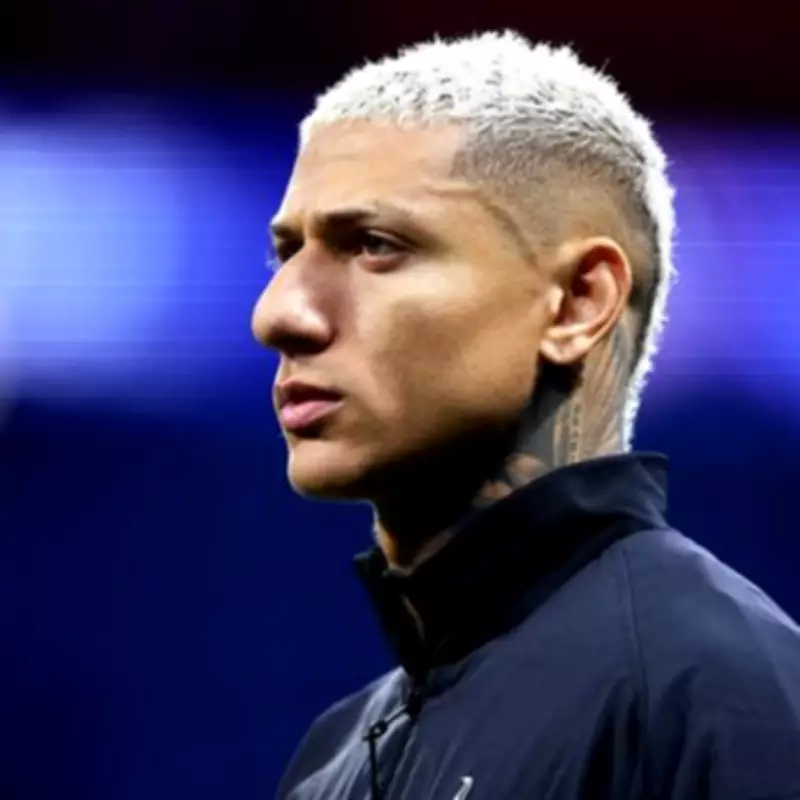
Tottenham Star Richarlison's Startling Mental Health Confession
Tottenham Hotspur forward Richarlison has made a deeply personal and startling revelation about his mental health struggles, admitting he once considered crashing his car into a wall during a severe battle with depression. The Brazilian international's candid disclosure highlights the intense psychological pressures faced by elite athletes, particularly following high-profile disappointments on the world stage.
The World Cup Aftermath and Downward Spiral
Richarlison's depression emerged after Brazil's elimination from the 2022 World Cup in Qatar, where Croatia defeated the five-time champions on penalties in the quarter-finals. Despite scoring three goals during the tournament, including a spectacular bicycle kick against Serbia that won the goal of the tournament award, the 28-year-old forward found himself overwhelmed by the aftermath.
"One day, while driving, I thought about crashing into a wall," Richarlison confessed in an interview with France Football. "Today, when I think about it, I tell myself it's pointless."

The Tottenham star described how multiple personal and professional setbacks compounded his distress during this period. "After the 2022 World Cup, I fell into a depression," he explained. "Every possible misfortune befell me: the elimination, my agent's betrayal, family problems, physical setbacks... For a year and a half, I suffered blow after blow every single day."
Professional Struggles and Personal Recovery
Richarlison's difficulties extended to his club career following his high-profile transfer from Everton to Tottenham in the summer of 2022. The striker managed just one Premier League goal during his debut season with Spurs, adding to his mounting challenges.
However, through professional support and personal connections, the footballer began his journey toward recovery:
- Working with a psychologist to address his mental health
- Meeting an honest lawyer who helped organize his financial affairs
- Finding support through his relationship with his wife
"It was the first time I had to deal with so many problems," Richarlison reflected. "In all that chaos, I met an honest lawyer who put my affairs and assets in order. I worked with a psychologist and, most importantly, I met my wife."
Breaking Stigma and Encouraging Support
This is not the first time Richarlison has spoken publicly about his mental health challenges. In March 2024, during an emotional interview with ESPN Brasil, he revealed: "I was reaching my limit, you know? I don't know, I'm not going to talk about killing myself, but I was in a depression there, and I wanted to give up."
The Tottenham forward has become an advocate for mental health support in football, openly discussing how he overcame his initial prejudice against psychological help. "I had this prejudice before, I thought it was nonsense, I thought I was crazy," he admitted. "In my family, there are people who think that anyone who goes to a psychologist thinks they are crazy, they think they are insane. But I discovered this and thought it was wonderful. The best thing, really the best discovery I've ever had in my life."
Richarlison emphasized the importance of seeking professional help, stating: "Today I can say, look for a psychologist, if you need a psychologist, look for one because it's nice for you to open up like that, for you to be talking to the person."
Looking Ahead to World Cup 2026
As the 2026 World Cup approaches, Richarlison plans to implement strategies to protect his mental wellbeing if selected for Carlo Ancelotti's Brazil squad. He intends to follow advice from Manchester United midfielder Casemiro and avoid social media scrutiny during the tournament.
On the pitch, Richarlison has shown improved form this season, scoring 10 goals in 38 appearances for Tottenham. His most recent international appearance came in October 2025 for Brazil, demonstrating his continued importance to both club and country despite the personal challenges he has faced.

The footballer's openness about his mental health journey represents a significant contribution to breaking down stigma in professional sports, particularly within football culture where such discussions have historically been rare. His story serves as a powerful reminder of the human vulnerability behind athletic achievement and the importance of comprehensive support systems for elite performers.