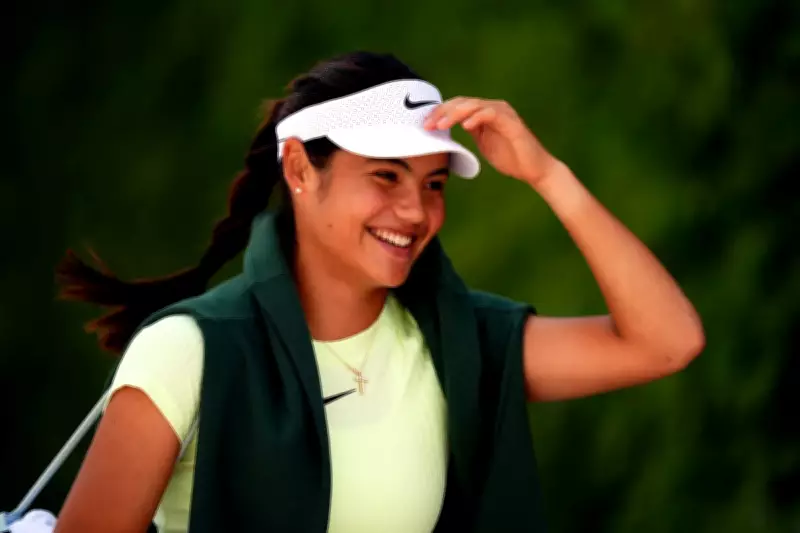
Emma Raducanu is setting her sights on a return to competitive tennis at the WTA event in Strasbourg later this month, following her withdrawal from the Italian Open. The 23-year-old British number one has been absent from the tour for two months due to a post-viral illness, and she decided against making her comeback in Rome after travelling to Italy and practising at the Foro Italico.
Withdrawal Timing Raises Questions
The timing of Tuesday’s withdrawal raised eyebrows, as Raducanu had just delivered an upbeat press conference, stating: “I think I’ve really turned a corner and I feel so much better. I feel great on the court.” This contrast sparked concerns that she might miss the French Open, which begins on May 24. However, the Press Association understands that Raducanu is targeting a return at the Internationaux de Strasbourg, which takes place the week before Roland Garros.
She would require a wild card for the WTA 500 event, but she is optimistic about securing one, having received a late invitation to the tournament last year. On that occasion, she defeated Daria Kasatkina before losing to Danielle Collins in the second round.

Illness and Preparation Challenges
Raducanu first struggled with illness in early February but chose to continue playing, suffering early exits at two events in the Middle East and Indian Wells before stepping away from the tour. She had already withdrawn from tournaments in Miami, Linz, and Madrid prior to Tuesday’s announcement, leaving her with minimal clay-court preparation ahead of the year’s second Grand Slam.
Interestingly, Raducanu spent time training in Spain with Andrew Richardson, the coach who guided her to the US Open title in 2021, but that arrangement appears to have been short-term. In Rome, she was accompanied by Jane O’Donoghue, a former coach whom she describes as like a big sister. Raducanu seems content to work without a full-time coach following her split from Francisco Roig after the Australian Open.
Physical Struggles and Ranking Impact
Speaking about her physical difficulties, Raducanu said: “Post-viral, it’s quite hard. You feel drained, you feel tired, no energy. It’s difficult, and it lingered for quite a while. Right now, I wouldn’t say I’m 100 per cent. I’m still building my way back. It is difficult to then kind of maintain it. Even if your tennis level is very high, it’s difficult to maintain for the full duration of the match, so I think it was good to come here and practise and see how I’m doing in points.”
By skipping Rome, where she reached the fourth round last year, Raducanu’s ranking will fall outside the top 32, meaning she will almost certainly not be seeded at Roland Garros. This adds further pressure to her Strasbourg campaign as she aims to regain form and confidence on clay.