NBA All-Star Game Finds New Life with USA v World Format
In a bold move to combat years of declining intensity, the NBA introduced a USA v World format for this year's All-Star Game, featuring a round-robin tournament that has sparked renewed competitive spirit among players. Critics had long lamented the event's transformation into what many described as a glorified practice session, but early signs suggest this updated approach may have successfully revived the league's struggling showcase.
From Disdain to Renewed Hope
Basketball Hall of Famer Tracy McGrady did not mince words when reflecting on last year's All-Star Game, calling it unrecognisable and lacking the essence of true competition. Prior to Sunday's contest, the league had experimented with various formats, including team captain selections and a four-team tournament, but these often resulted in minimal effort from players, with a focus on uncontested shots and little defense.
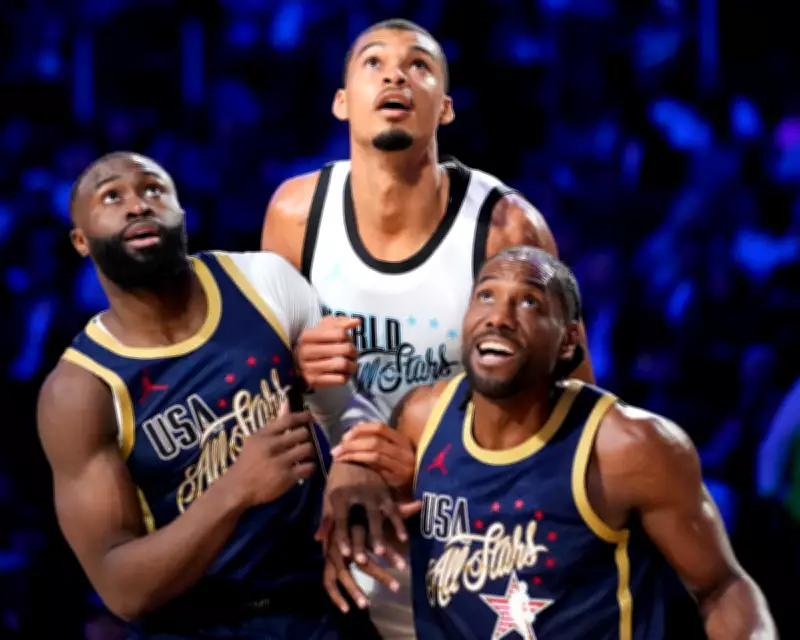
The latest innovation saw the NBA pivot to a global rivalry, pitting American-born players against international stars in a three-team tournament. This format included Team USA Stars, Team USA Stripes, and Team World, competing in four 12-minute games with an overtime target score of five, aiming to leverage national pride as a motivator.

Closing the Gap in Global Basketball
Historically, American players dominated basketball, exemplified by the Dream Team's overwhelming victories in the 1992 Olympics. However, the gap has narrowed significantly in recent years, with international players winning every NBA MVP award since 2018. This shift has fueled a sense of rivalry, as noted by McGrady, who emphasised that the players themselves drive competition, not just the platform or format.
Kevin Durant offered a more measured perspective, suggesting that fan and media complaints about lackluster All-Star games are not new, and that intensity has varied across decades. Nonetheless, he acknowledged the potential for improvement with this year's changes.
Wembanyama Sets the Competitive Tone
French phenom Victor Wembanyama played a pivotal role in elevating the game's intensity, scoring the first seven points for Team World and finishing with impressive stats across two games. His effort inspired teammates and opponents alike, including Anthony Edwards, who credited Wembanyama for waking up the competitive fire.
From the opening tip-off, this year's event showcased a different energy, with players contesting shots on defense and embracing team-oriented offense over individual play. In the final, Team Stars secured a decisive victory over Team Stripes, led by Edwards' standout performance.
A Step Forward for the NBA
Despite the lopsided score in the final, players competed with purpose, indicating that the league may have addressed a long-standing issue. Durant praised the increased competitiveness compared to last season, expressing hope for continued improvement in future All-Star weekends.
As the NBA looks to build on this success, the USA v World format has demonstrated that injecting global pride into the event can rekindle the excitement and intensity that fans crave, potentially marking a turning point for the All-Star Game's legacy.