MIT Sloan Sports Analytics Conference Celebrates 20 Years of Innovation and Growth
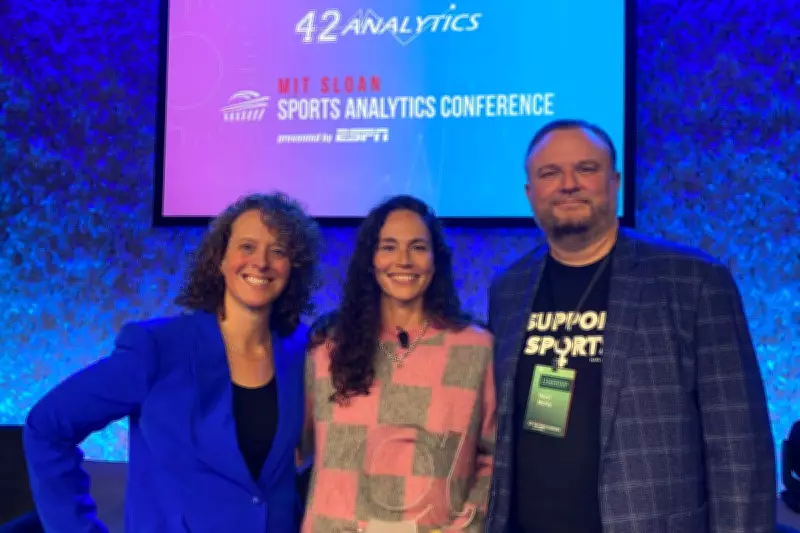
The MIT Sloan Sports Analytics Conference is still raising the bar as it marks its 20th anniversary, a testament to its enduring impact on the sports industry. Co-founded by Jessica Gelman and Daryl Morey in 2006, the event has evolved from a modest seminar into a major international gathering that attracts thousands of professionals, academics, and enthusiasts.
From Humble Beginnings to Global Influence
Jessica Gelman, now CEO of the Kraft Analytics Group, reflects on the conference's origins. "I believe that the reason so many of us love sports is because it often exceeds our expectations of human capability," she said. "This curiosity about the seemingly inexplicable drove me to explore sports analytics." Gelman, a former Harvard basketball player and psychology student, has spent three decades blending her passion for sports with data analysis, becoming a leading voice in the field.
The conference began as a brainchild during a class Gelman and Morey took together. Initially, it was a small event for a few hundred people. Today, it fills the Boston Convention and Exhibition Center, drawing 2,500 attendees from 42 states, 31 countries, 130 academic institutions, and 80 teams and sports leagues. "Never in my wildest dreams did I think sports analytics would become what it has," Gelman admitted, noting the role of advancing technology and accessible data in its growth.

A Dynamic Partnership and Industry Evolution
Daryl Morey, President of the Philadelphia 76ers and Gelman's "complimentary Yin-Yang," described their journey as "holding the tiger by the tail as it took off." He emphasized that the conference's success stems from staying true to its "geek roots" while adapting to industry trends. In an era where digital data doubles every two years, the event has become essential for a sports world increasingly driven by numbers.
The conference attracts a diverse audience, including number crunchers, tech experts, and entertainment figures, by focusing on current topics. For example, in 2022, it featured sessions on diversity, equity, and inclusion, such as discussions on the NFL's Rooney Rule and transgender athletes. This year's lineup includes panels like "Heated Revelry," celebrating LGBT+ inclusion with Harrison Browne, the first openly transgender pro hockey player.
High-Profile Discussions and Future Trends
Other notable sessions include a one-on-one discussion between WNBA legend Sue Bird and NBA Commissioner Adam Silver, as well as a panel on prediction markets, featuring Polymarket CEO Shayne Coplan. DraftKings CEO Jason Robins will also participate in a separate session, highlighting the conference's role in addressing regulatory challenges and emerging trends.
Beyond panels, the event serves as a recruitment hub, with companies like Fanatics using it to network and hire talent. MIT Sloan School of Management students help plan the conference, and alumni often return as panelists, such as Evan Wasch, the NBA's executive vice president of strategy and growth, who will discuss AI's impact on officiating.
Looking Ahead with Authenticity
As for the future, Morey stressed the importance of maintaining freshness without losing authenticity. "We've stopped trying to top ourselves," he said, referencing a 2018 appearance by former President Barack Obama. "Our focus is on keeping the conference relevant and grounded in its analytical core." Gelman added that the event's legacy lies in its ability to inspire and connect people across careers, fostering a community dedicated to advancing sports through data.
The MIT Sloan Sports Analytics Conference continues to be a pivotal platform, driving innovation and conversation in an ever-evolving sports landscape.