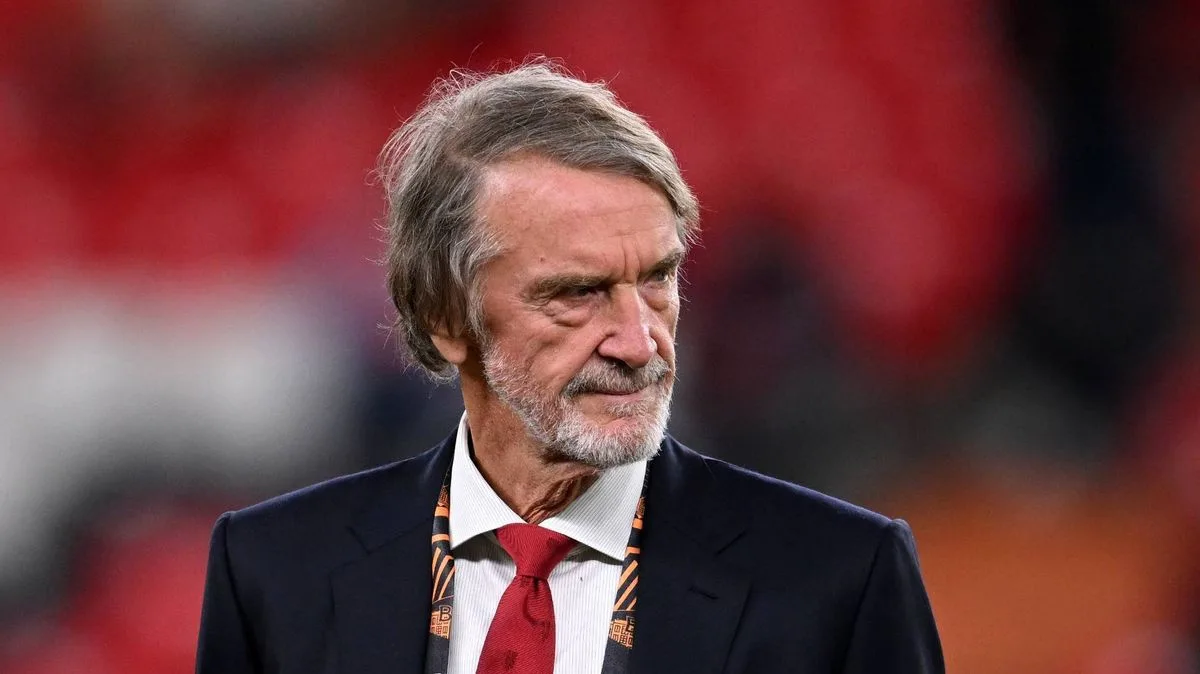
The latest Deloitte Football Money League report has delivered a sobering financial assessment for Manchester United, revealing the club has slipped to eighth position in European revenue rankings. This represents a significant decline for one of football's traditional commercial powerhouses and raises serious questions about the strategic direction under Sir Jim Ratcliffe's Ineos ownership group.
Revenue Rankings Paint Concerning Picture
According to the comprehensive financial analysis covering the 2024/25 season, Manchester United now trail seven other European clubs in annual revenue generation. More alarmingly for their domestic standing, the Red Devils rank only fourth among English clubs, having been overtaken by Premier League rivals Liverpool, Manchester City, and Arsenal in financial performance.
The figures reveal a substantial revenue gap between United and Europe's elite. Real Madrid's remarkable £1.013 billion revenue total dwarfs United's £692 million, representing a deficit exceeding £300 million. Similarly concerning gaps exist when comparing United to Barcelona (£159 million less) and Bayern Munich (£59 million less).
Contextual Factors and Underlying Issues
Several factors contribute to United's relatively diminished financial position. While Old Trafford continues to attract crowds exceeding 70,000 spectators, the stadium fails to maximise matchday revenue potential compared to more modern facilities. Additionally, among the top eight revenue-generating clubs, only Arsenal operate with a smaller wage bill than United, suggesting potential underinvestment in playing staff.
The most significant financial shortfall occurred in broadcast revenue, where United's £180 million total trailed substantially behind Liverpool, City, and Arsenal - each of whom generated at least £100 million more from broadcasting deals. This disparity directly correlates with United's inconsistent European qualification in recent seasons.
Ineos Ownership Under Scrutiny
The financial revelations arrive almost two years after Sir Jim Ratcliffe acquired his 27.7 percent stake in Manchester United for £1.25 billion. The British billionaire's petrochemicals empire, Ineos, reportedly carries substantial debt of approximately £18 billion, which has prompted cost-cutting measures across various business and sporting ventures.
Recent Ineos austerity measures include withdrawing from America's Cup sailing, ending sponsorship arrangements with New Zealand's All Blacks rugby team, and implementing workforce reductions at facilities in Germany, Ohio, and Hull. Reports also suggest Ratcliffe has reduced the asking price for his controlling stake in French club OGC Nice, currently struggling near the bottom of Ligue Un.
Football Decisions and Future Implications
The Deloitte report underscores how United's on-field mediocrity has directly impacted their financial pre-eminence. The club's failure to secure European football for the 2025/26 season will further exacerbate broadcast revenue challenges in next year's financial figures.
United's hierarchy faces crucial decisions regarding managerial appointments and transfer strategy. After what many consider a costly mistake in appointing Ruben Amorim, pressure mounts on Ratcliffe, his executives, and the Glazer family to make astute football decisions. Securing Champions League qualification represents an immediate priority, while providing substantial financial backing to manager Michael Carrick - or his eventual successor - appears essential for competitive restoration.
While no trophies are awarded for topping revenue tables, the Deloitte rankings serve as a stark indicator of commercial health and competitive standing. For Manchester United and their Ineos part-owners, the latest figures represent both a warning and a challenge that demands urgent, strategic response to prevent further financial and sporting decline.