Liverpool's Striking Crisis: Why Salah and Isak's Form Has Faltered
Liverpool's Striking Crisis: Salah and Isak's Form Falter

Liverpool's Striking Crisis: Why the Forward Line Has Faltered

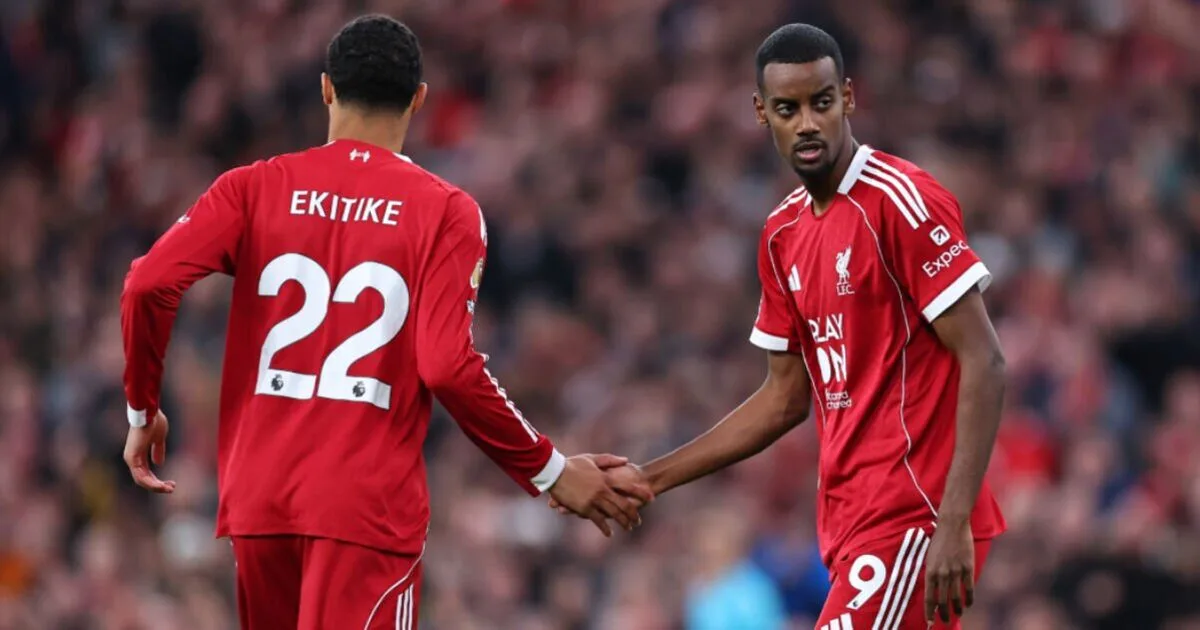
Liverpool manager Arne Slot delivered a blunt assessment of his team's attacking output recently, stating simply: "That is not enough." His words came after a period where Liverpool's forwards had failed to score in three consecutive Premier League matches. While a 5-2 victory over West Ham United saw Hugo Ekitike and Cody Gakpo find the net, the underlying numbers reveal a concerning trend for the Reds.

A Dramatic Drop in Goal Output

After 27 league matches last season, Liverpool's six primary forwards had amassed an impressive 51 goals. Fast forward to the same stage this campaign, and that figure has plummeted to just 26—barely more than half. This stark decline comes despite a £200 million investment in new strikers during the summer transfer window.

The breakdown of scorers tells a significant part of the story. Last season, Mohamed Salah led the charge with 25 goals, supported by Luis Diaz (9), Cody Gakpo (8), Diogo Jota (5), and Darwin Nunez (4). This season, the tally is markedly different: Hugo Ekitike (11), Gakpo (6), Salah (4), Federico Chiesa (2), Alexander Isak (2), and Rio Ngumoha (1). Even adding Florian Wirtz's contributions only raises the total to 30, highlighting the shortfall.

The Central Culprits: Salah and Isak

The most glaring issue lies with two key players: Mohamed Salah and Alexander Isak. Salah, who was scoring at a rate of one goal every 96 minutes in the first two-thirds of last season, has seen his productivity nosedive. He currently has his lowest goal return at this stage of a season since joining Liverpool and has gone four months without a Premier League goal, a period interrupted by the African Cup of Nations and bench spells.

Alexander Isak's struggles are equally pronounced. Last season with Newcastle United, he had 19 goals at this point, scoring every 105 minutes. Brought in to potentially succeed Salah as the primary goal threat, Isak's campaign has been marred by injury and ineffectiveness. He has managed just two Premier League goals in 519 minutes before suffering a broken leg, a stark contrast to his previous form.

Underlying Metrics and Contributing Factors

Statistical analysis reveals deeper issues. Last season, both Salah and Isak significantly overperformed their expected goals (xG) by 4.99 and 3.89 respectively. This season, they are underperforming, with Salah's xG per 90 minutes halving from 0.75 to 0.36. Isak's shot count and xG have also decreased, indicating a drop in both volume and quality of chances.

Another factor is Liverpool's lack of penalty kicks. Last season, they were awarded nine, the joint-most in the division. This season, they have had just two, with Dominik Szoboszlai missing one. This has directly impacted Salah, a regular penalty taker.

Elsewhere in the attack, the picture is mixed. Chiesa and Ngumoha have overperformed their xG but have minimal starting opportunities. Ekitike, while the team's top scorer, is also underperforming his xG, though he was not necessarily bought to be the main goal threat in his debut season.

A Broader Attacking Decline

Liverpool's overall attacking metrics have slipped. Last season, they led the league in goals and xG; now they rank around fourth in most categories. Chance creation has also diminished, with the six forwards contributing only 15 assists this season compared to 26 last term—16 of which came from Salah alone.

Saturday's five-goal haul against West Ham, achieved without a goal or assist from Salah, offered a glimmer of hope. However, Slot's original verdict remains valid. With key forwards underperforming and the team's attacking output halved, 26 goals from the front line is simply not sufficient for a club with Liverpool's ambitions.