Laura Woods Condemns Eni Aluko's 'Damaging' Stance on Women's Football Punditry
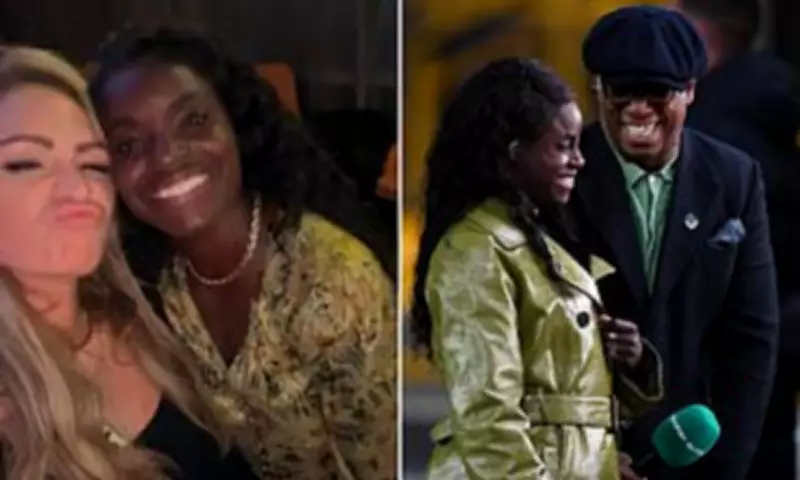
ITV presenter Laura Woods has entered the heated dispute between fellow pundits Eni Aluko and Ian Wright, delivering a sharp rebuke to Aluko's latest comments which she claims are "dragging women's punditry backwards." The controversy erupted after Aluko renewed her criticism of male pundits working in women's football coverage, specifically targeting Wright's prominent role.
The Core of the Controversy
Eni Aluko, the former England international turned broadcaster, sparked significant debate over the weekend by reiterating her view that male pundits are blocking opportunities for women in the industry. The 38-year-old, who has 105 caps for England, called for women's football to be "gatekept" in a manner similar to the men's game, arguing that "the women's game should be by women, for women."
This stance represents an escalation of comments Aluko made last April, when she suggested Ian Wright needed to be aware of "how much he's doing in the women's game" and claimed his presence made it tougher for female pundits to secure positions. Although Aluko has since apologised to Wright—an apology he declined to accept—the underlying tensions have resurfaced dramatically.

Woods' Forceful Rebuttal on Social Media
Responding directly to Aluko's comments, Laura Woods took to platform X on Monday morning with a series of pointed posts challenging her ITV colleague's perspective. Woods argued passionately against the concept of gatekeeping in women's sport, emphasising the importance of inclusivity for growth.
"Caps don't win automatic work and they don't make a brilliant pundit either," Woods wrote, directly countering Aluko's emphasis on international experience. "The way you communicate, articulate yourself, do your research, inform your audience, how likeable you are and the chemistry you have with your panel are what makes a brilliant pundit."
Woods reserved particular criticism for Aluko's "by women, for women" phrasing, calling it "one of the most damaging phrases I've heard." She warned: "It will not only drag women's sport backwards, it will drag women's punditry in all forms of the game backwards."
The Argument for Inclusivity
Central to Woods' rebuttal was the argument that excluding male allies contradicts the fundamental goal of growing women's football. "If you want to grow something, you don't gate keep it," she asserted. "We want to encourage little boys and men to watch women's football too, not just little girls and women. And when they see someone like Ian Wright taking it as seriously as he does - they follow suit. That's how you grow a sport."
Woods pointed to ITV's recent success as evidence that their inclusive approach works, noting that their coverage of the Women's Euros won best production at the Broadcast Sport Awards 2025, with commentator Seb Hutchinson also receiving recognition. "So I think ITV got it just right," she concluded.
Aluko's Detailed Grievances
Aluko's frustrations crystallised during an appearance on the 90s Baby Show podcast, where she expressed dismay about the punditry line-ups for last year's Women's Euros final. Despite having 105 caps herself and sitting alongside Fara Williams (with 170 caps) in the stands, neither was selected for the final broadcast panels.
"Last year at the Women's Lionesses final, I'm sat in the stands, I wasn't on it for ITV for the final," Aluko recounted. "Farah Williams was next to me. Farah Williams has 170 caps for England."
She highlighted that ITV's panel featured Ian Wright, Emma Hayes and Karen Carney, while BBC's included Ellen White, Steph Houghton and former Manchester City defender Nedum Onuoha. "So out of six spots, two have gone to men, meanwhile you have got 290 (caps) sitting in the stands," Aluko noted with evident frustration.

The Broader Context of Exclusion
Aluko expanded on her concerns by pointing to what she perceives as a structural imbalance in broadcasting opportunities. "I have never done a final and I am probably going to struggle to think of any woman, female pundit, who has done a men's major final," she said. "Why are people like me and Faz (Fara) not there. It is nothing against Ian and nothing against them, I am just saying broadly speaking we need to be aware of that."
Her argument centres on the belief that "the limited opportunities in the women's game are now being taken by men, but we can't go into the men's game and take the same opportunities." Aluko added: "I can never do the men's final. The only way I have an opportunity to do a final is the women's final and now I can't do the women's final."
Historical Tensions and Recent Developments
The current dispute represents the latest chapter in an ongoing conflict between Aluko and Wright that began nearly a year ago. Following her initial criticism last April, Aluko issued both public and private apologies which Wright rejected. In a recent Instagram video, Aluko claimed Wright's name continues to be "weaponised" against her nine months later.
"When I apologised to Ian Wright publicly and privately he had an opportunity to show the grace and the allyship that he showed to many other people," Aluko stated. "Unfortunately, my sincerity, my humility, was met with disrespect."
She revealed that she hasn't had any punditry work alongside Wright since their public fallout, though she remains "more than open to a conversation" with him. "I've said my piece. I've given more context. I've been quiet for a very long time," Aluko concluded, leaving the door open for reconciliation while maintaining her position on the broader issues.
The Counter-Example of Karen Carney
Interestingly, Aluko's arguments about women being excluded from men's football coverage are somewhat contradicted by the career trajectory of fellow pundit Karen Carney. The former England international, who earned 144 caps during her playing career, was part of TNT Sport's punditry team for last year's men's Champions League final, joining Rio Ferdinand and Owen Hargreaves on the broadcast.
This example suggests that while barriers certainly exist, some female pundits are breaking through into prominent men's football coverage—a nuance that complicates Aluko's argument about complete exclusion from the men's game.
The ongoing debate raises fundamental questions about representation, opportunity, and the best path forward for women's football broadcasting. With prominent voices like Woods and Aluko taking opposing positions, the conversation about who should cover women's sport—and how inclusive that coverage should be—shows no signs of abating.