Roy Keane's Infuriated Training Ground Inspection Contrasts Sharply with Carrick's Modern Manchester United Approach
Michael Carrick has swiftly implemented significant changes at Manchester United since assuming the interim manager role, creating a markedly different environment from the one that left club legend Roy Keane seething during a discreet 2019 visit.
The Infamous Keane Inspection That Sparked Outrage
During Ole Gunnar Solskjaer's tenure in 2019, former captain Roy Keane conducted a private observation at United's training facility. While the team was experiencing improved results under Solskjaer following Jose Mourinho's mid-season departure, Keane identified fundamental issues that deeply concerned him.
"As you'd imagine, Roy has strong views on what it takes to be a proper United player, and he gave it to them straight," revealed a source to Mirror Football at the time. "He wasn't impressed with one player who didn't seem to be all that interested and looked as if he'd rather be somewhere else."

The visit provided a revealing glimpse into the standards Keane expected during his playing days, with the Irishman particularly dismayed by what he perceived as lacking commitment from certain squad members despite the team's improving form.
Carrick's Transformative Training Revolution at Old Trafford
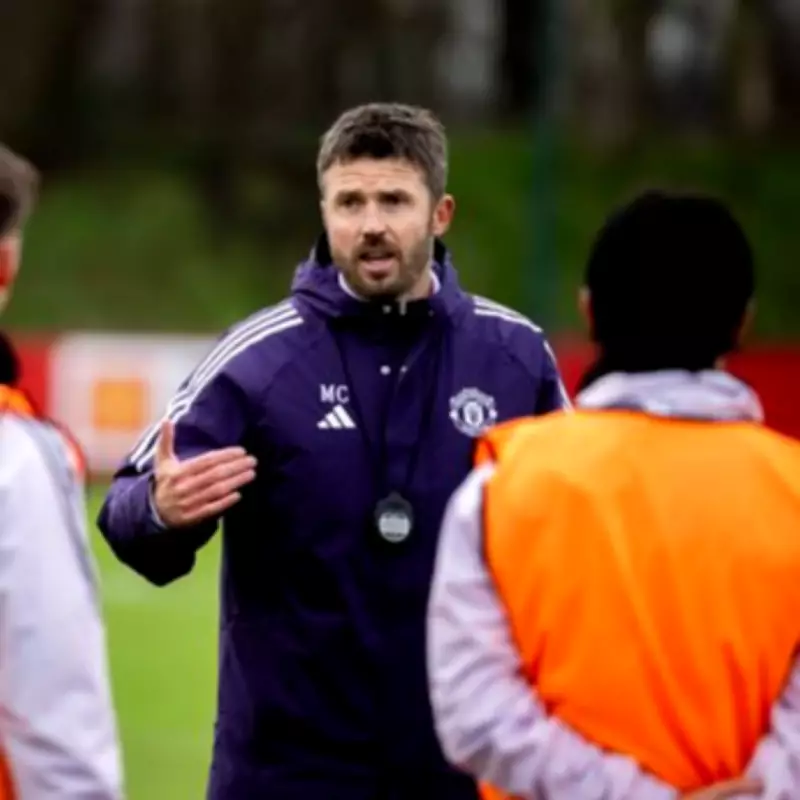
Seven years later, the landscape at Carrington has undergone a dramatic transformation under Michael Carrick's stewardship. The interim manager has instituted substantial modifications both tactically and culturally since replacing Ruben Amorim.
Most visibly, Carrick has abandoned Amorim's three-at-the-back formation, but more profound changes have occurred in daily operations. According to The Telegraph, training sessions have become shorter yet more intense, with some players reportedly "blown away" by their demanding nature and rapid impact.
Team meetings now typically conclude within fifteen minutes, and players frequently complete mandatory work by 12:30pm, allowing increased focus on individual development—a significant departure from Amorim's regime.
Experienced Coaching Staff and Collaborative Decision-Making
Carrick has demonstrated strategic wisdom in assembling a coaching team featuring seasoned professionals like Steve Holland and Jonathan Woodgate, who aren't hesitant to challenge the manager's perspectives.
"I can't be right the whole time – it's impossible. That's why we've got a group of six in our office," Carrick explained to the BBC. "We've all got strong opinions, but we all filter it and it's important we have a connection and understanding of what direction we want to go in."
This collaborative approach contrasts with Amorim's reliance on less experienced coaches during his tenure, creating an environment where robust discussion informs decision-making rather than deferring to hierarchical authority.
Sustaining Success Amid Future Challenges
While United remain unbeaten under Carrick's temporary leadership, questions persist about whether these methods can maintain effectiveness next season, particularly if European competition adds to fixture congestion.
The current system appears ideally suited to United's present circumstances, with players benefiting from more efficient schedules and personalized attention. The dramatic evolution since Keane's critical visit underscores how fundamentally Carrick has reshaped the club's daily operations and cultural expectations.
Whether these reforms translate into sustained success remains to be seen, but the contrast between Keane's frustrated assessment and Carrick's transformative approach highlights a significant shift in Manchester United's footballing philosophy and operational standards.