Iranian Women Footballers Face State Backlash Over Silent Anthem Protest
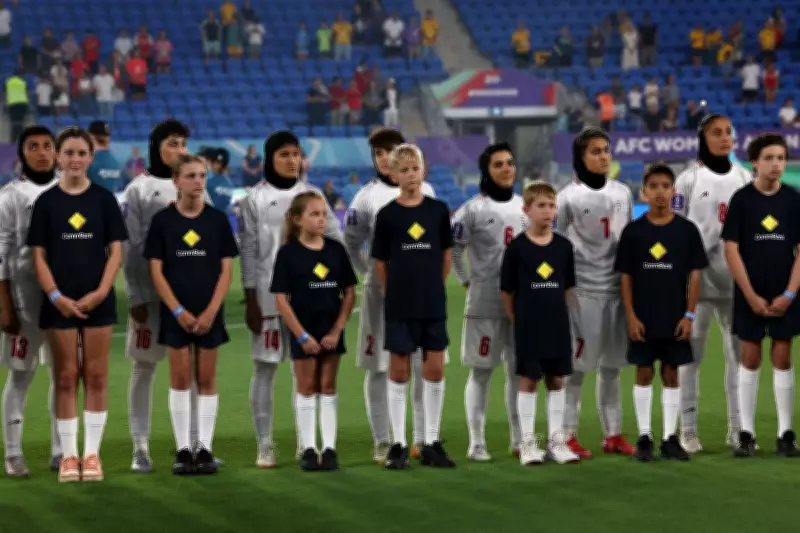
Players from the Iranian women's national football team have sparked a major controversy by refusing to sing their national anthem before a recent match. The silent protest occurred during the Asian Cup in Australia, where Iran faced South Korea on Monday, amidst rising military tensions in their home country.
Escalating Conflict and State Condemnation
The protest took place against the backdrop of escalating military conflict in Iran, following air strikes by the United States and Israel that resulted in the death of Supreme Leader Ali Khamenei. In response, Iranian state television presenter Mohammad Reza Shahbazi publicly branded the players as "wartime traitors" and called for them to be "dealt with more severely" upon their return.
Safety Concerns and International Response
The global football players' union, FIFPRO, has expressed significant concerns for the safety and well-being of the squad. They have urgently called on the Asian Football Confederation (AFC) and FIFA to implement protective measures and ensure the players' security when they go back to Iran. This appeal highlights the serious risks faced by athletes who engage in political dissent under the current regime.

Subsequent Retreat Amid Family Fears
Despite the initial bold stance, the team altered their position in a later match. Before their game against hosts Australia on Thursday, the players sang and saluted the national anthem. Reports indicate this change was driven by deep concerns for their families back in Iran, who could potentially face retaliation or persecution due to the players' actions.
Broader Implications for Sports and Politics
This incident underscores the intense pressures and dangers that athletes can encounter when their sporting actions intersect with political turmoil. It raises critical questions about freedom of expression in sports and the role of international bodies in safeguarding players from state-led reprisals. The situation continues to develop, with observers closely monitoring the team's return and any further state reactions.