John Herdman's Monumental Coaching Challenge in Indonesia
John Herdman has embarked on what might be the most ambitious coaching journey of his career, arriving in Indonesia fresh from his transformative success with Canadian national teams. The 50-year-old Englishman faces a stark contrast in environments, moving from a vast nation where soccer traditionally plays second fiddle to ice hockey, to an equally massive country where football commands near-religious devotion.
From Canadian Breakthrough to Indonesian Aspiration
Herdman's Canadian legacy is nothing short of remarkable. He led Canada's men's team to their first World Cup appearance in 36 years in 2022, ending a painful drought that had stretched back to 1986. Before that, he had already demonstrated his transformative abilities with Canada's women's team, taking them from finishing last in the 2011 World Cup to Olympic bronze medals in both 2012 and 2016.
Now he faces an even greater challenge: ending Indonesia's 92-year wait for World Cup qualification. The nation last appeared in the tournament's inaugural edition in 1938 as the Dutch East Indies, making their current absence one of international football's longest droughts.

The Scale of the Indonesian Football Challenge
When Herdman first steps into Jakarta's iconic Gelora Bung Karno Stadium, he'll be greeted by 80,000 passionate supporters whose red-clad enthusiasm creates one of Asia's most intimidating atmospheres. Yet beyond the surface passion lies a complex football landscape that has consistently underachieved despite the nation's 280 million population and deep love for the game.
Indonesia's football struggles have been multifaceted:
- Political interference in football administration
- Persistent hooliganism problems
- Corruption scandals, including the notorious case of federation president Nurdin Halid running operations from a prison cell
- Organizational incompetence at various levels
The current football landscape shows signs of improvement under Erick Thohir, who took over as federation president in February 2023. A former owner of Inter Milan, DC United, and the Philadelphia 76ers, Thohir has overseen a rapid ascent from 151st to 122nd in FIFA's world rankings, though significant work remains.
Building on Recent Progress
Indonesia's qualification campaign for the 2026 World Cup demonstrated genuine progress. The team emerged as one of the 12 best performers among 46 Asian starters, only losing out in a fourth-round playoff to established powers Saudi Arabia and Iraq. This represented a dramatic improvement from their 2022 qualification effort, where they managed just a single point from eight games with a -22 goal difference.
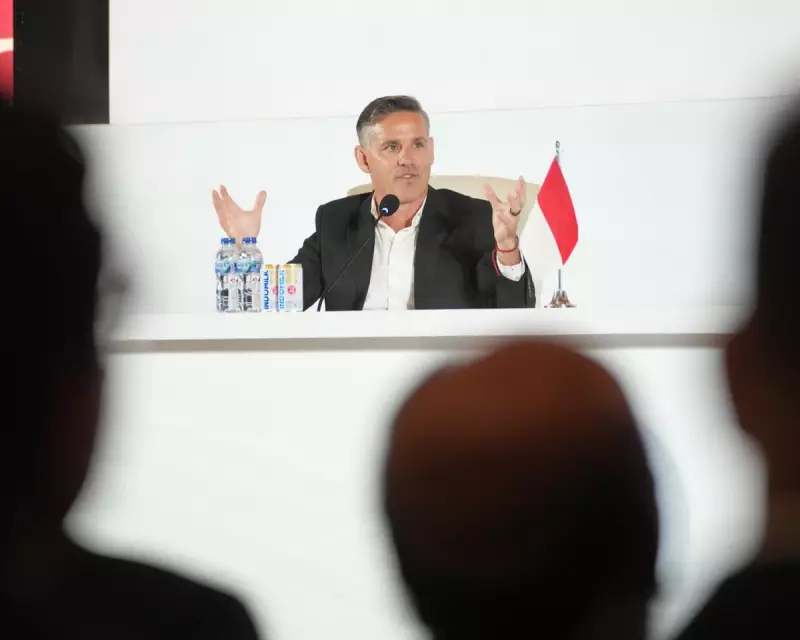
Herdman acknowledged the scale of the task at his Jakarta unveiling, stating: "Qualifying for a World Cup doesn't happen overnight. Canada needed decades to achieve it. Indonesia has taken an important step – now our job is to take the next one."
The Identity Question and Herdman's Approach
One of Herdman's immediate challenges involves team identity. During recent qualification campaigns, Indonesia fielded as many as eight Dutch-born players with Indonesian heritage in their starting eleven. While this influx of European-raised talent brought improved results, it raised questions about team cohesion and national identity, with dressing room conversations shifting from Bahasa Indonesia to Dutch or English.
Herdman's predecessor, former Netherlands international Patrick Kluivert, struggled to navigate these complexities despite his impressive playing pedigree. Herdman brings a different approach, with Canadian striker Jonathan David noting in 2019: "This guy knows what he's doing ... because he has a tactic every game."
His reputation for creating unified team cultures precedes him. Canadian captain Christine Sinclair wrote in her memoir that Herdman was "the best coach I've ever had, hands down. He is life-changing. He helps you rediscover your passion. And within a team he creates a culture of unity, one where your egos are left at the door."

The Road Ahead: Immediate Tests and Long-Term Goals
Herdman's first significant test comes with the ASEAN Cup in July and August, which presents an opportunity to assess local talent while European-based players are unavailable. This regional tournament could serve as an early platform to replicate his 2011 Pan Am Games gold medal success with Canada's women's team.
The more substantial examination arrives next January with the Asian Cup in Saudi Arabia. This continental championship will provide crucial indicators of whether Herdman's methods are taking root and whether Indonesia might realistically challenge for a 2030 World Cup place.
Success would require navigating Asia's increasingly competitive qualification landscape while managing the expectations of a football-mad nation desperate for international recognition. For Herdman, it represents the ultimate coaching challenge: transforming a sleeping giant of world football into a genuine World Cup contender.