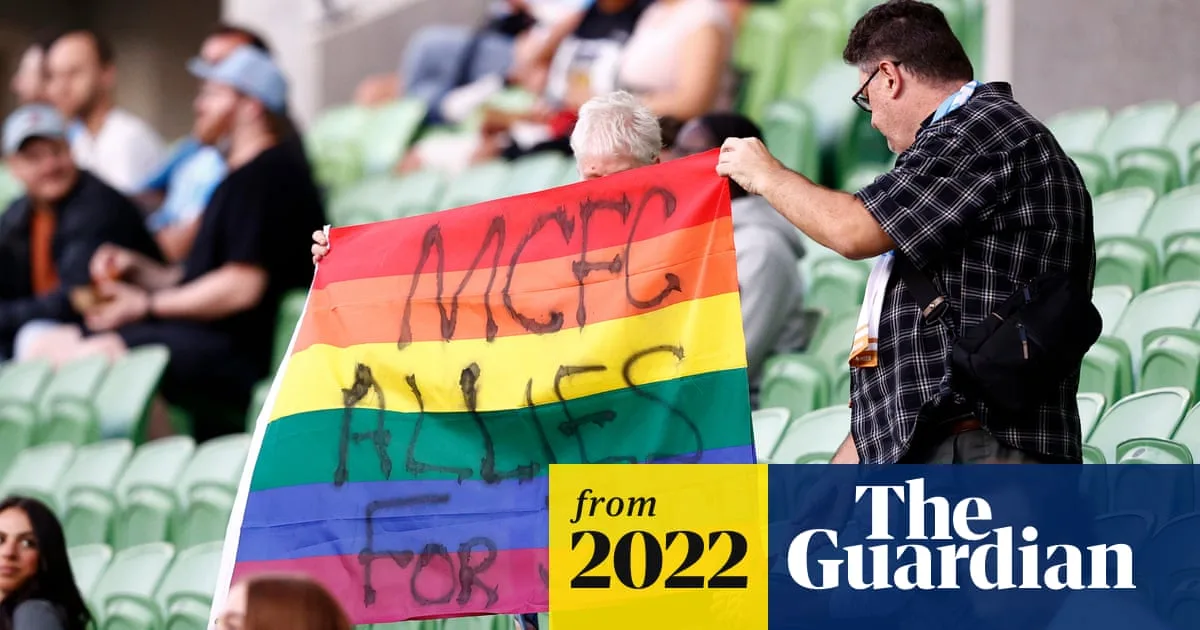
Australian football is to become the first sporting competition in the world to use artificial intelligence software to protect players from online abuse, it has been announced. The A-Leagues and the players' union have joined forces with British company GoBubble to deploy machine-learning technology that filters out racist, homophobic, sexist and other harmful comments before they reach players and their followers.
The move follows a series of high-profile incidents in which players have been targeted. Adelaide United's Josh Cavallo, the only openly gay professional top-flight male footballer in the world, has received homophobic abuse and death threats since coming out last year. Kusini Yengi and Bernie Ibini have also been subjected to online attacks. In January, Liverpool became the first Premier League club to hire a mental health consultant specifically to protect young players from trolling.
The GoBubble Community software will monitor the social media accounts of every A-League Men and A-League Women player, blocking offensive words, images and emojis. While the content will remain visible to the sender's own followers, it will be stripped of its intended audience, reducing its reach. The technology was trialled successfully on the weekend of 25-26 February, when Adelaide United, Melbourne Victory and Central Coast Mariners used it on their Twitter profiles during the inaugural Pride Game.
Julie Inman Grant, Australia's eSafety commissioner, said players were too often subjected to terrible abuse in the course of doing their jobs. She noted that in November last year her office met with 24 major sporting organisations, including rugby, NRL, AFL, netball and cricket bodies, all of which signed a statement of commitment to tackle the problem. The A-Leagues' roll-out is the first concrete step of that pledge.
Henry Platten, founder of GoBubble, said the A-League was taking the lead and hoped the approach would be replicated by sports governing bodies across the globe. "This powerful step will protect teams, players and communities from online abuse, and promote a positive and supportive virtual experience across their social channels," he said.