FA Cup Devalued as Championship Clubs Prioritise Promotion Over Glory
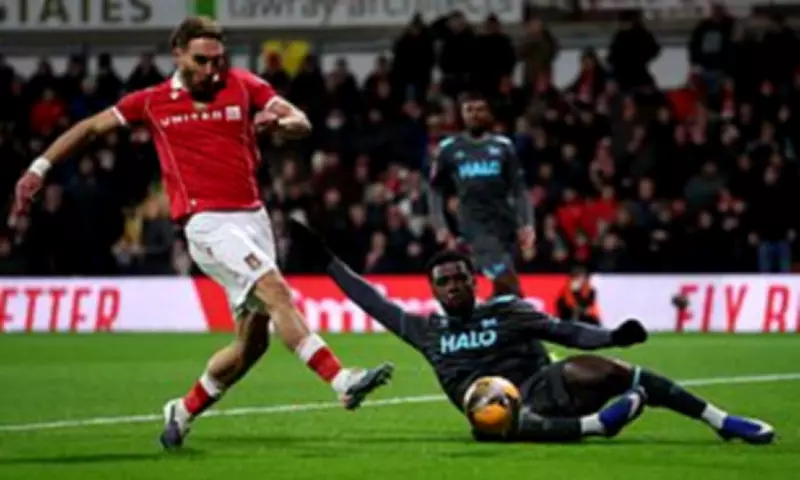
Following Ipswich Town's elimination from the FA Cup on Friday evening, manager Kieran McKenna conveyed a palpable sense of relief rather than disappointment. The Tractor Boys made a staggering ten changes to their starting lineup for the trip to face Wrexham, a decision that left many of the 1,100 travelling supporters feeling short-changed after a 215-mile journey on a winter's night.
'If you examine the schedule and consider where we would fit in additional fixtures for an extended FA Cup run, honestly, it was difficult to envision how that wouldn't have negatively impacted the squad,' McKenna explained in his post-match comments. 'We are competitive individuals representing a proud football club with fantastic support, so we attempted to balance these objectives. The players gave their all until the final whistle.'
The Stark Financial Reality
McKenna's priorities are unequivocally aligned with Ipswich's league position. Currently sitting fourth in the Championship with 54 points, they trail second-placed Coventry City by five points but hold a game in hand. Securing automatic promotion to the Premier League guarantees a minimum of £100 million in revenue, whereas winning the entire FA Cup competition nets approximately £2.1 million in prize money. The financial calculus makes the choice clear for clubs navigating promotion battles.

Ipswich were far from alone in their approach. Hull City, positioned fifth in the Championship and similarly embroiled in a promotion push, also made ten changes for their tie against Chelsea, a decision that effectively ended their cup hopes. Across the fourth round, a total of 183 lineup changes were made in the 14 ties, averaging around 13 alterations per match.
A Widespread Pattern of Prioritisation
Other clubs paid a heavy price for rotating their squads. Burnley (nine changes), West Bromwich Albion (nine changes), Oxford United (eight changes), and Aston Villa (seven changes) all suffered elimination. Fulham narrowly progressed despite ten changes away at Stoke City, while Southampton and West Ham United required extra time to advance after making ten changes each. Even Manchester City, after nine alterations, laboured against League Two side Salford City before eventually progressing.
The FA's decision to scrap replays was intended to appease managers concerned about fixture congestion, but this concession appears to have made little difference. Championship managers are sending an unambiguous message: the FA Cup represents an unwelcome distraction until the latter stages approach Wembley.
Will the Magic Ever Return?
The fundamental question remains whether managers will ever revert to treating the FA Cup with the seriousness it once commanded. From the current perspective, the outlook appears decidedly unpromising. The competition retains deep significance for supporters and lower-league clubs, but for those in charge of teams with Premier League aspirations, the numbers simply do not add up. As a result, this historic cup competition risks being permanently relegated to afterthought status until the quarter-finals or semi-finals loom on the horizon.
The pattern is unmistakable and raises profound concerns about the competition's future prestige. When financial incentives so dramatically favour league success, the romantic allure of cup football struggles to compete. The FA Cup's magic persists in the stands and for clubs outside the elite, but for those with the power to influence team selections, it has become a secondary concern at best.