F1 Returns in Miami After Five-Week Break: What to Expect
F1 Returns in Miami: What to Expect After Break

Formula One returns after a five-week break with this weekend's Miami Grand Prix. Here, the Press Association looks at the story so far and what to expect this weekend.

Why has it been five weeks since the last race?

F1 has been away since Kimi Antonelli took the chequered flag in Japan on March 29. Races scheduled to take place in Bahrain and Saudi Arabia in April were cancelled as a result of the war in the Middle East, with bosses confirming that alternative hosts were not viable in April. There will also be a three-week break between Miami and the next race in Canada.

What has happened so far?

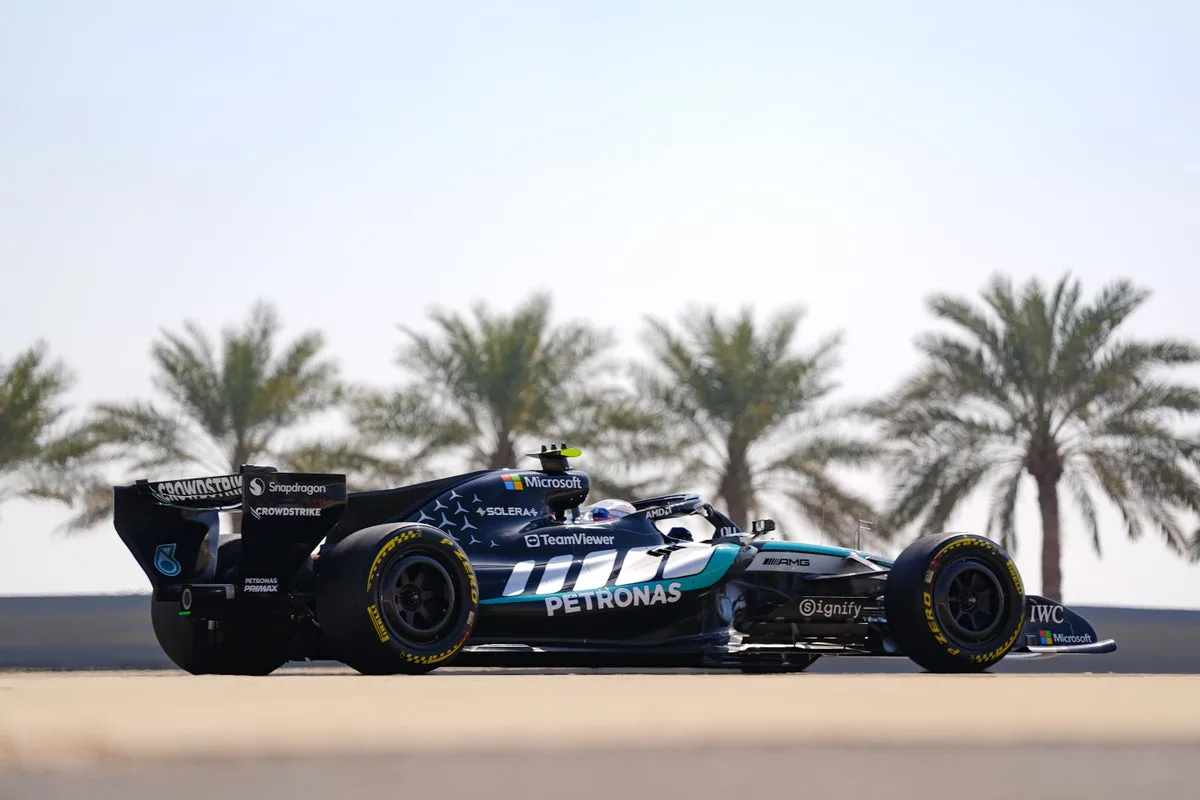
Mercedes have mastered the sport's new regulations better than any other team and, as such, have won the first three races. The experienced George Russell was largely expected to dominate proceedings but his 19-year-old team-mate Antonelli has won the last two races to lead the standings by nine points. Ferrari pair Charles Leclerc and Lewis Hamilton have offered the biggest threat, while four-time world champion Max Verstappen has struggled and is ninth in the standings.

Wide Pickt banner — collaborative shopping lists app for Telegram, phone mockup with grocery list

What about the regulations?

The sport's new rules have dominated talk over the first three race weekends, with Verstappen the leading critic – labelling it as "Mario Kart" and hinting the regulations will hasten his exit from the sport. The Dutchman, among others, dislikes the rules which introduced a 50-50 split between combustion and electrical power, placed an onus on drivers managing their battery, effectively slowing down on a qualifying lap, and added 'gimmicks' such as a boost button to overtake. There have also been safety concerns due to dangerous closing speeds – as evidenced by Ollie Bearman's high-speed crash in Japan.

Have the rules been changed?

Tweaked, yes. Talks have been held between the governing body, the FIA, F1 and the teams and drivers since the last round in Japan. Energy harvesting will be reduced from eight megajoules to seven, and the hybrid power unit will be increased from 250kw to 350kw. Both changes are aimed at allowing the drivers to go flat-out for longer in qualifying. To limit closing speeds, the boost button will now be capped at 150kw, and the MGU-K in straightline zones will be set at 350kw and 250kw when the driver is not in a straightline zone. If it sounds complicated, that's because it is. McLaren's Oscar Piastri said: "I need to go through all the details of the rules and someone smarter than me to explain what has changed."

What to expect in Miami?

Mercedes will remain firm favourites in the sunshine state. The five-week gap may have allowed rival teams to get a better understanding of their cars, while we also expect to see a raft of major upgrades to packages up and down the grid in Miami. This will be the second sprint weekend of the season, which will ensure an action-packed schedule on the streets around the Hard Rock Stadium.

How to follow this weekend's action

An elongated practice session begins at 1700 BST on Friday, followed by sprint qualifying at 2130. Saturday's sprint begins at 1700 before qualifying for the main race is at 2100. Sunday's 57-lap race is at 2100.

Pickt after-article banner — collaborative shopping lists app with family illustration