England's Striking Crisis Looms as Foden Fails to Impress in Kane's Absence
England manager Thomas Tuchel is confronting a significant tactical headache ahead of the World Cup, with his team's recent 1-0 send-off defeat to Japan exposing a critical vulnerability. The central issue revolves around talismanic captain Harry Kane, whose late withdrawal from the friendly highlighted England's alarming lack of a proven alternative should their record goalscorer suffer injury during the tournament.
The False-Nine Experiment That Fell Flat
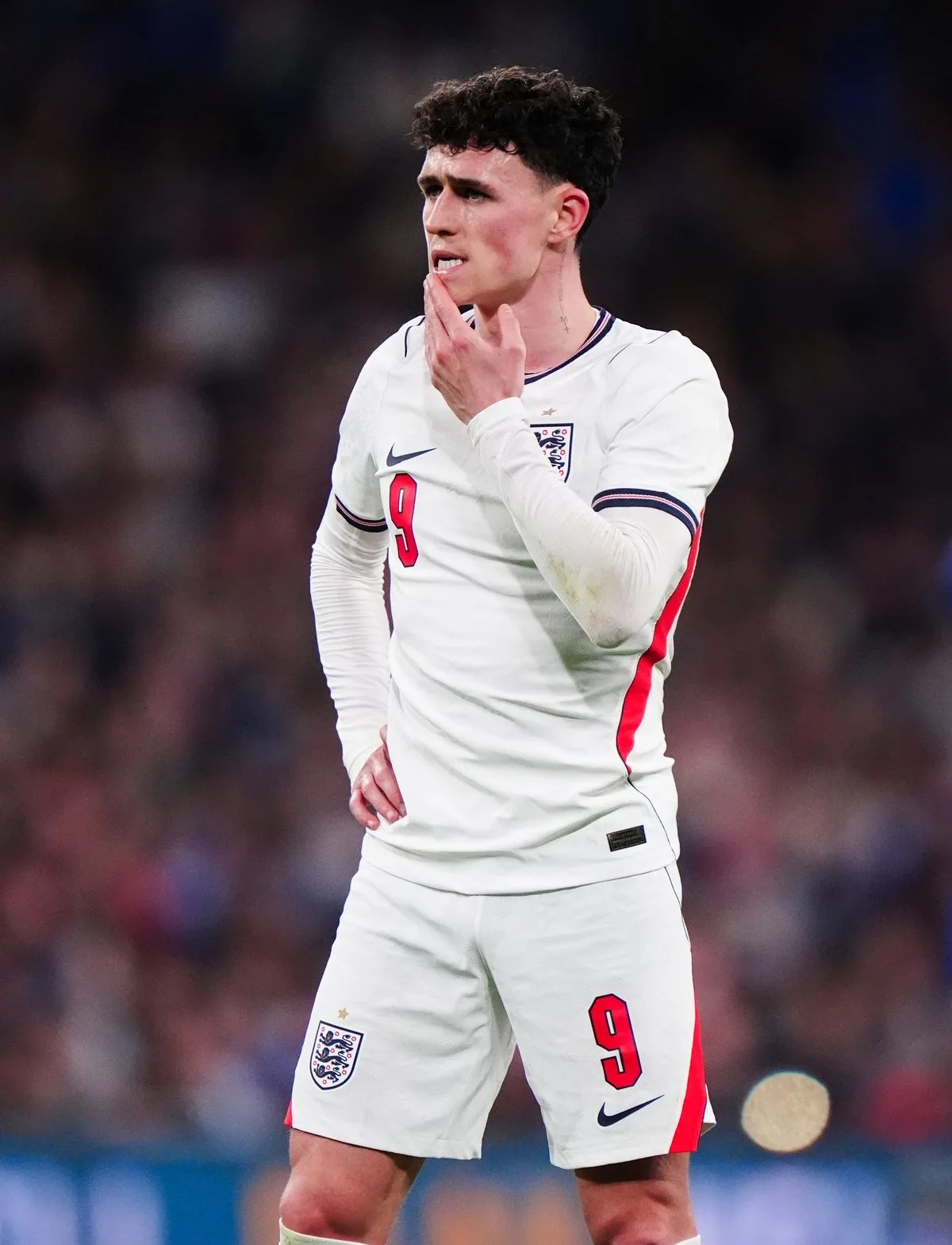
With Kane becoming England's eighth injury casualty during this international break, Tuchel turned to Manchester City's Phil Foden as an emergency solution. The 25-year-old was deployed in a false-nine role, a position he has rarely occupied throughout his career. Despite Foden's willingness to press and make intelligent runs, his performance ultimately underscored why he cannot be considered a genuine replacement for Kane's goal threat.
"In the absence of Harry Kane, we don't have the same threat," Tuchel admitted post-match. "Top teams rely on top players and top nations rely on top players." This frank assessment reveals the manager's awareness of the problem, yet his experimental approach against Japan yielded concerning results.
System Player Struggles in Unfamiliar Role
Foden, who has faced persistent accusations of being a system player who excels primarily under Pep Guardiola's guidance at Manchester City, looked out of his depth leading the line. While his pressing intensity exceeded Kane's typical levels, his movement in dangerous areas was noticeably absent. When opportunities arose in the penalty area, Foden was frequently positioned incorrectly or physically outmatched by Japanese defenders.
The most telling moment came when Nico O'Reilly delivered a perfect cross toward Foden in the six-yard box, only for the City midfielder to be comfortably outmuscled by Crystal Palace's Daichi Kamada. This physical mismatch highlighted the fundamental difference between a creative midfielder operating out of position and a natural center-forward.
Solanke Shows Glimmers of Promise
After Foden's substitution on the hour mark, replacement Dominic Solanke immediately provided more promising signs. The Bournemouth striker demonstrated better positional awareness and link-up play, creating England's best chance with a clever flick that sent Morgan Rogers through on goal. Later, his headed knockdown nearly created an equalizer for substitute Marcus Rashford.
Solanke's cameo, though brief, suggested he might represent a more natural alternative to Kane than Foden. However, Tuchel remains realistic about the limitations of any backup option: "I am not looking for a second Harry Kane; there is just not second Harry Kane."
World Cup Selection Headaches Intensify
The Japan defeat has significant implications for Tuchel's World Cup squad selection. With no more friendly matches before the tournament, the manager must make definitive decisions about his attacking options. Ollie Watkins and Ivan Toney, both omitted from the recent squad despite serving as backups at Euro 2024, could now receive late recalls.
Tuchel faces a difficult balancing act between selecting sufficient striking cover and maintaining squad balance. The failed Foden experiment may force him to include multiple traditional forwards in his final squad, potentially requiring the exclusion of one of England's talented attacking midfielders. After this ill-fated audition, Phil Foden's place on the plane to Dallas appears less certain than before.
England's World Cup aspirations hinge heavily on Harry Kane's fitness. Without their captain firing, Tuchel lacks a convincing contingency plan, as Tuesday's defeat to Japan painfully demonstrated.