Dundee United's Strategic Blueprint for Financial Survival and Football Success
In the challenging financial environment of Scottish football, Dundee United has crafted a dual strategy to not only survive but prosper. This approach revolves around two core pillars: scouring untapped markets for emerging talents and heavily investing in their academy system. The club's objective is clear—to build a squad that achieves on-field success while simultaneously increasing its market value.
Scouting and Academy: The Twin Engines of Growth
The Tannadice club actively searches for hidden gems in overlooked markets, aiming to identify and develop players who can later be sold for significant profit. Alongside this, a robust investment in the academy has produced homegrown stars such as captain Ross Graham. The synergy between these methods is intended to create a competitive team with substantial resale potential.
At first glance, developing players for other clubs might seem at odds with the philosophy of the Ogren family, who own Dundee United. However, exceptions are made for exceptional talents, and Luca Stephenson has proven to be one such case.

Luca Stephenson: A Loan Star Defying Convention
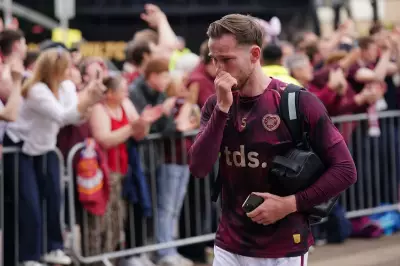
Approaching the end of his second full season at Tannadice, Luca Stephenson has demonstrated why rules can be bent for standout performers. Since joining Liverpool from Sunderland in 2018 and signing a new long-term deal last summer, Stephenson has been a revelation for Dundee United. Despite the club covering a portion of his wages and facing financial barriers to a permanent transfer, his impact has been invaluable.
Stephenson's journey began when he arrived at a newly-promoted Dundee United in 2024, following a pre-season under Arne Slot. His debut in a League Cup match against St Mirren showcased his pedigree, and he quickly scored his first goal against St Johnstone, setting the tone for his tenure.
Versatility and Resilience: Key Attributes
His tough tackling and adaptability have endeared him to supporters, as he seamlessly transitioned between roles including right-back, right wing-back, left-back, and centre-midfield under manager Jim Goodwin. Even playing through a double-hernia, Stephenson maintained high standards, helping the team surge to fourth place and European qualification.
Although surgery cut his campaign short, his contributions were recognized with both the club's and supporters' young player of the year awards. His versatility was further highlighted during a Liverpool friendly against Preston, where he partnered Joe Gomez at centre-half, showcasing his ability to learn on the job.
Leadership and Impact on the Pitch
Stephenson's leadership qualities, honed as captain of Liverpool's Under-18s and Under-21s, were evident when Goodwin entrusted him with the armband in a match against Motherwell. This gesture underscored the manager's confidence in his talent and attitude. Reflecting on his time at United, Stephenson praised Goodwin's support, noting how it helped him recover from early mistakes and elevate his game.
In a recent televised match against Celtic, Stephenson's low cross led to Will Ferry's opening goal, demonstrating his crucial role in key moments. This game marked his 100th senior appearance, a milestone that includes 34 games with Barrow in League Two. As he approaches his 101st match at Ibrox, Stephenson aims to help United secure a top-six finish.
Legacy and Future Prospects
Regardless of the season's outcome, Stephenson will leave Dundee United having made an indelible mark, challenging the notion that loan players are merely transient figures. On a personal level, he has contributed more goals and assists this season, reflecting his growth and importance to the team.
Dundee United's strategy, exemplified by Stephenson's success, illustrates how clubs can navigate financial constraints by blending external scouting with internal development, ultimately fostering both immediate success and long-term sustainability.