Coroner Calls for Mandatory Cardiac Arrest Training in Football After Teenager's Tragic Death
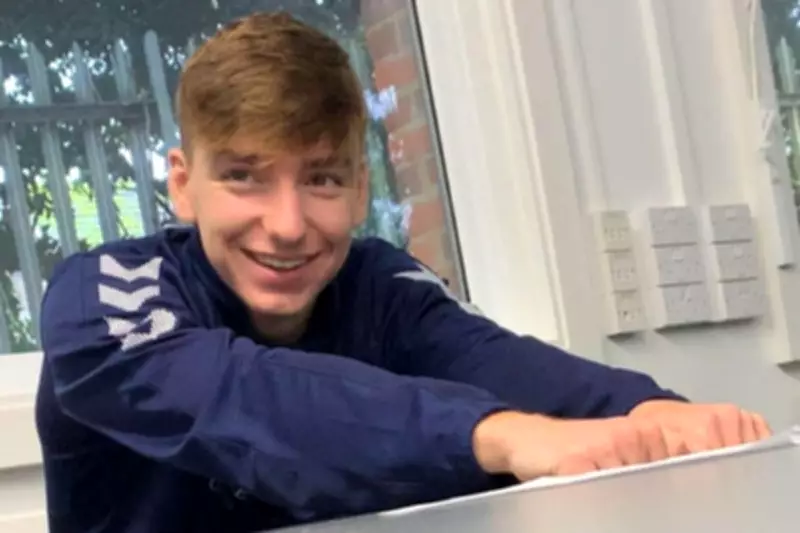
A coroner has issued a powerful recommendation for mandatory training for all football coaches and referees to recognise signs of sudden cardiac arrest, following the tragic death of 17-year-old Adam Ankers. The teenager suffered a cardiac arrest while playing for Wycombe Wanderers' under-19 team in January 2024, with the inquest revealing critical failures in the emergency response that contributed to his passing.
Missed Opportunities and Defibrillator Confusion
Assistant coroner Valerie Charbit, presiding at West London Coroner's Court, ruled that a failure to recognise Adam was experiencing cardiac arrest "more than minimally" contributed to his death. The inquest heard that although a defibrillator was brought onto the pitch, confusion over its safe use meant it was never deployed in attempts to save the young footballer's life.
Adam collapsed during the second half of a match on 31 January 2024 and was subsequently taken to hospital, where he died on 4 February 2024 from unsurvivable brain damage. The coroner's investigation revealed that Adam had exhibited agonal breathing – sudden, irregular gasps that demand immediate CPR – but this critical symptom was misidentified by both those on the pitch and the 999 call handlers.

Coroner's Training Recommendation Meets FA Resistance
In her prevention of future deaths report, Ms Charbit recommended that the Football Association mandate training courses for all accredited members, including grassroots football coaches and referees, to equip them with the ability to spot sudden cardiac arrest signs. She emphasised that while the FA's website currently offers a free online module on recognising cardiac arrest, this training should be made compulsory and extended to all members.
The Football Association, however, argued against this mandatory approach in its submissions to the coroner. The organisation contended that requiring such training for all members, including children, would exclude younger individuals from refereeing roles, as it would place them in positions requiring basic life support delivery.
Coroner Firmly Rejects FA's Concerns
Ms Charbit firmly dismissed the FA's stance, stating: "I disagree as to the fact that that shouldn't be something that children should engage in. Children are allowed to train in first aid… I consider it important that the responsibility for first aid lies with all ages within society and outweighs any concern that this would stop them becoming referees."
The coroner also rejected the FA's logistical concerns about training over 185,000 coaches, asserting that this challenge was outweighed by the potential to save numerous young lives through wider training implementation. She highlighted that existing training provided by bodies such as NHS England and the South Central Ambulance Service, which handled Adam's 999 call, remained insufficient despite arguments to the contrary.
Broader Issues in Cardiac Emergency Response
The coroner's report underscored widespread difficulties faced by both ordinary individuals and ambulance call handlers in recognising cardiac arrest symptoms and agonal breathing. Although NHS England has since implemented changes meaning sudden collapse during sport is now automatically treated as requiring immediate CPR, Ms Charbit noted these changes took a "particularly long time" to come into force.
Furthermore, the report highlighted the need for improved understanding of defibrillator use among both medically and non-medically trained individuals. It also pointed out that cardiac screening for those aged 14 and above, which can reduce sudden cardiac death risk, is not universally accessible to all young people or football players.
Family History and Inherited Condition
The inquest revealed a failure to cascade information about a family history of arrhythmogenic right ventricular cardiomyopathy (ARVC), an inherited heart condition Adam was only identified to have had after his death. While Adam's family had urged the coroner to broaden her recommendation to encompass all sports, Ms Charbit deemed this an "overreach" falling outside the scope of evidence considered during the inquest.

Addressing the virtual hearing attended by Adam's father, Ms Charbit concluded: "I remember Adam Ankers. I remember everything I heard about him, and I do hope that this prevention of future deaths report that I have made allows us to prevent a similar death to that which Adam suffered. I express my sincere and deepest condolences, at the conclusion of these proceedings, to Adam's family and friends."
The case has sparked renewed debate about safety protocols in youth sports and the responsibilities of sporting organisations to implement life-saving training for those supervising young athletes.