Eni Aluko Criticism Unfair, But Laura Woods Right on Punditry Debate
Aluko Criticism Unfair, Woods Right on Punditry Debate

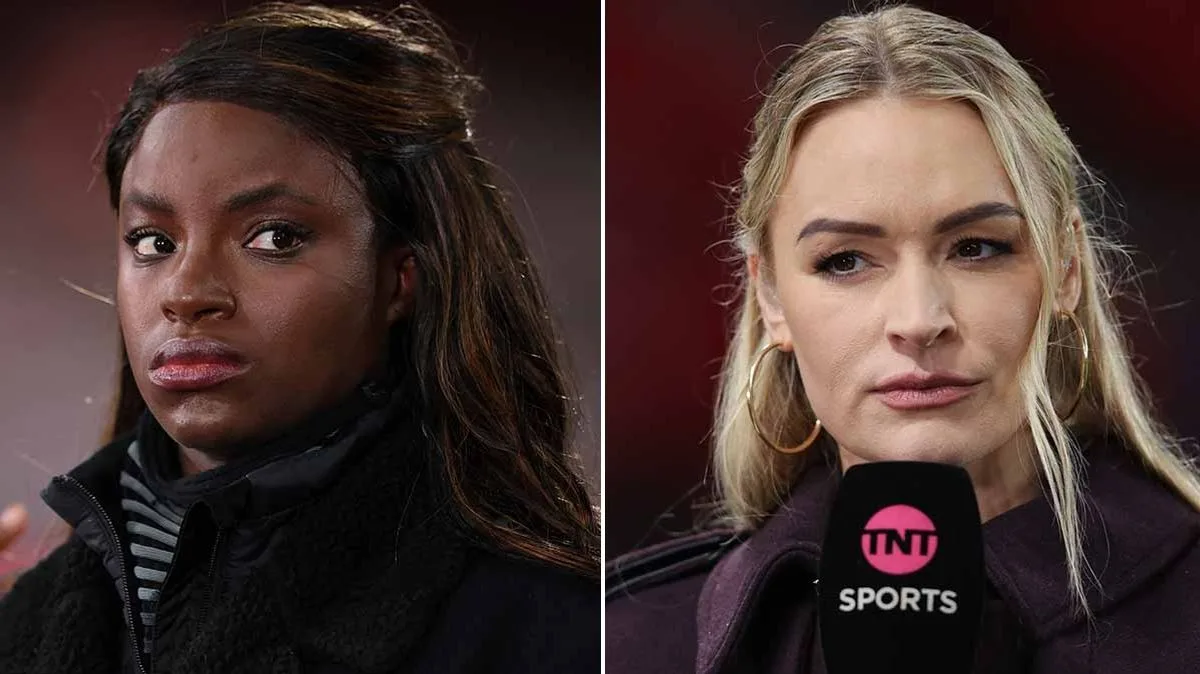
The ongoing debate surrounding football punditry has taken a contentious turn, with Eni Aluko facing significant backlash for her views. However, it is crucial to recognise that the criticism directed at Aluko is largely unfair, even as Laura Woods presents a compelling argument about the nature of punditry itself.

The Rise of Women in Football Media

The landscape of football broadcasting has undergone a remarkable transformation in recent years. Where once male voices dominated exclusively, now some of the most insightful and engaging contributors come from women. Kelly Cates stands out as a presenter consistently in high demand for her professionalism and expertise.

Gabby Logan has become a valued regular on Match of the Day, bringing depth to the analysis. Lucy Ward excels as a co-commentator, offering tactical insights that few can match, discussing game patterns with exceptional clarity. Jules Breach demonstrates excellence in pitch-side interviews, while Katie Shanahan represents the growing cohort of talented female voices in football media.

Wide Pickt banner — collaborative shopping lists app for Telegram, phone mockup with grocery list

Laura Woods: A Model of Merit-Based Success

Laura Woods exemplifies what can be achieved through dedication and skill. Her career trajectory serves as inspiration, particularly for young women aspiring to work in sports media. Woods has earned her position through consistent excellence, working her way up to become one of the most respected presenters in the industry.

Her recent comments about punditry have struck a chord. Woods argues convincingly that having played the game at a high level should not automatically entitle someone to punditry roles. Instead, positions should be awarded based on merit, research quality, and broadcasting ability. This perspective challenges the notion of "gate-keeping" roles within football coverage.

The Complex Position of Eni Aluko

Eni Aluko finds herself at the centre of this controversy, facing what has become an unfair pile-on of criticism. Her passion for improving football coverage, particularly for the women's game, is undeniable. Aluko raises valid questions about whether viewers truly want predominantly male voices covering all matches, even if her delivery has sparked debate.

It is important to acknowledge that Aluko has been a victim of disproportionate backlash. The way she has been portrayed in some quarters fails to recognise her legitimate concerns about representation and quality in football broadcasting. Having experienced targeted criticism before, including from so-called fan accounts in 2018, Aluko understands the personal toll such attacks can take.

The Progress That Has Been Made

Looking back at football coverage from the 1990s and early 2000s reveals how far we have come. The inclusion of diverse voices, particularly women, has transformed the viewing experience. This evolution addresses long-standing imbalances and makes football broadcasting more accessible and appealing to broader audiences, including families with daughters.

The men's game has benefited significantly from this diversification. The fear that daughters would never engage with football coverage has diminished as female presenters and pundits have become established fixtures. This positive change reflects broader societal shifts toward greater inclusion in sports media.

The Women's Game: Progress and Challenges

While celebrating successes like back-to-back European Championships that attracted record audiences, we must acknowledge the work still needed for women's football. Television industry insiders report that Women's Super League viewing figures remain below desired levels, indicating room for growth in coverage and engagement.

This context makes debates about punditry particularly relevant. As Woods correctly notes, restricting opportunities through gate-keeping would hinder rather than help the women's game's development. The goal should be attracting the best talent to coverage, regardless of background, to broaden appeal and improve quality.

Ian Wright and Genuine Advocacy

Aluko's criticism of certain pundits, including Ian Wright, has drawn particular attention. However, Wright's commitment to women's football predates recent trends. His genuine passion for the game and insightful analysis have earned respect from players and viewers alike.

Pickt after-article banner — collaborative shopping lists app with family illustration

Historical context matters here. Wright began advocating for women's football during an era when television presenters openly mocked female goalkeepers on air. His consistent support represents meaningful progress rather than career opportunism. Other pundits like Nedum Onuoha similarly demonstrate thorough research and genuine investment in their analysis.

Finding the Right Balance

The current debate highlights tensions between representation and quality in sports broadcasting. While Aluko raises important questions about diversity in punditry, Woods correctly emphasises that merit should remain the primary consideration. The solution lies in recognising both perspectives as valid contributions to improving football coverage.

The ITV team that won production awards for their Women's Euros coverage demonstrates what can be achieved through collaboration and talent. As football continues to evolve, both men's and women's games will benefit from inclusive yet quality-focused approaches to broadcasting.

Ultimately, turning this discussion into a personal attack on Aluko serves no constructive purpose. Her views, however controversial, contribute to important conversations about football media's future. Meanwhile, Woods' emphasis on merit-based selection provides a sensible framework for ensuring continued improvement in sports broadcasting for all audiences.