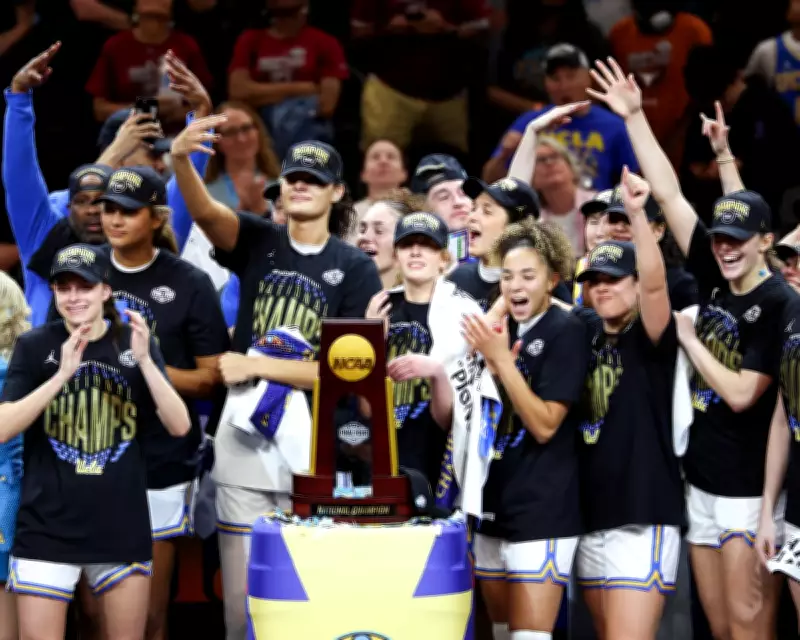
The NCAA has announced that both the men's and women's March Madness tournaments will expand to 76 teams starting next season, marking the first expansion in 15 years. The move, long anticipated, will add eight extra games to each tournament, increasing the total number of games in the opening round to 12, involving 24 teams. This expanded phase will be known as the "March Madness Opening Round," replacing the current First Four format.
New Structure and Revenue
The 12 winners from the opening round will advance to the main 64-team bracket, which will commence on Thursday for the men and Friday for the women, as is customary. The NCAA expects to distribute over $131 million in new revenue to participating schools, generated from expanded television advertising opportunities, particularly for alcohol, which were previously restricted. The value of the rights agreement is set to increase by an average of $50 million annually over the next six years.
Impact on Power Conferences
Most of the eight new slots are anticipated to be filled by teams from power conferences, which already dominate the tournament entries. For instance, the Southeastern Conference placed a record 14 teams in the men's bracket two years ago, while the Big Ten had nine last season. Keith Gill, chairman of the Division I men's basketball committee, described the expansion as "a nice way to create some access but make sure we have the bracket we all love when we start Thursday at noon."

Context and Implications
The expansion reflects broader trends in college sports, including the massive growth of conferences—the Atlantic Coast Conference has expanded from nine to 17 teams since 1996—and the reality that mid-major schools often lose top players to programs with larger budgets and revenue-sharing capabilities. Leaders from the SEC, Big Ten, Big 12, and ACC have acknowledged the importance of smaller programs to March Madness's appeal, even as they expand their influence in NCAA decision-making. This expansion may help forestall potential fractures in the NCAA's most successful product.
The current television deal for the men's tournament is worth $8.8 billion and runs through 2032. Adding extra games between mid-level Power Four teams on Tuesday and Wednesday is not expected to drastically alter the deal beyond advertising revenue. The negotiations with CBS and TNT, which have been ongoing regarding their own ownership, contributed to the delay in this expansion.
More drastic options, such as expanding to 96 teams or beyond, would require adding an extra week to a tournament that has thrived partly due to the symmetry of a six-round bracket over three weeks. That basic structure has been in place since 1985, with only minor adjustments, the most recent being the increase to 68 teams in 2011.