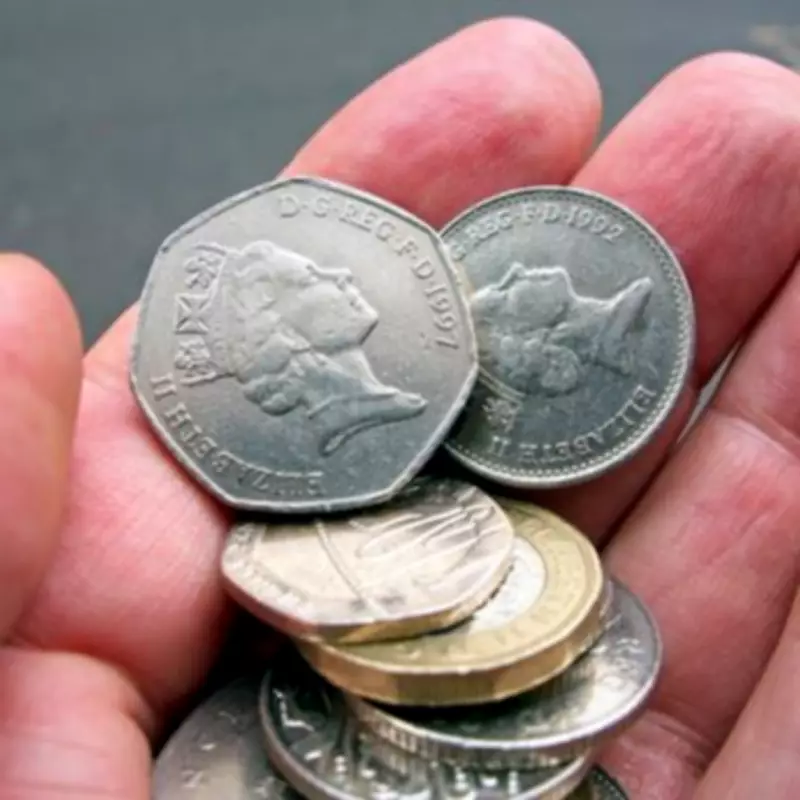
Coin enthusiasts and casual collectors alike are being urged to scrutinise their spare change for a particular 50p piece that could be hiding a fortune. While it might appear as just another ordinary coin, a tiny detail on the Benjamin Bunny 50p could transform its worth from mere pocket change to a valuable collector's item.
The Benjamin Bunny 50p: A Common Coin with Rare Potential
Originally released in 2017, the Benjamin Bunny 50p entered circulation with a substantial mintage of over 25 million coins. Given this high production volume, most of these coins are typically valued at their face value of 50 pence. However, a specific type of minting error has created a subset of these coins that are highly sought after by numismatists.
Identifying the Rotation Error
The key to unlocking the hidden value lies in detecting a rotation error. This occurs during the minting process when the obverse (the front side featuring the Queen's portrait) and the reverse (the back side depicting Benjamin Bunny) dies are improperly aligned. As a result, when the coin is rotated, the designs may appear misaligned, tilted, or even completely upside down.

Most coins are produced with a standard 180-degree alignment, but rotation errors deviate from this norm, creating unique specimens that captivate collectors. An expert known as the @CoinCollectingWizard on Instagram emphasised the importance of this detail, stating, "If you've got a Benjamin Bunny 50p in your change... You need to check this."
Valuation of Rotation Errors
The value of a Benjamin Bunny 50p with a rotation error varies significantly based on the severity of the misalignment:
- Minor Rotations: Slight misalignments are generally not considered special and may not add substantial value.
- Noticeable Rotations: Coins with clearly visible twists or tilts can fetch between £10 and £30 on the collector's market.
- Dramatic 180-Degree Rotations: These significant errors are the most desirable, potentially commanding higher prices from dedicated collectors.
The collector also issued a cautionary note, advising enthusiasts not to be misled by every eBay listing, as many may only feature slight misalignments rather than genuine errors.
How to Determine if Your Coin is Rare
For those eager to assess their own collections, several factors should be considered to identify rare coins:
- Mintage Figures: Lower production numbers often indicate higher rarity and value.
- Mint Marks and Condition: Specific letters or symbols, along with the coin's overall state (such as being uncirculated), can greatly enhance worth.
- Design Errors and Age: Look for unique flaws in the design or older coins dating back to before the 1900s.
- Verification: Utilise online databases or professional coin guides to confirm rarity and authenticity.
If you suspect you possess a rare coin, it is always advisable to consult with a professional numismatist for an accurate valuation. Additionally, when researching potential values online, focus on 'sold' listings rather than 'buy' listings on platforms like eBay to gauge realistic market prices.
This alert serves as a reminder that hidden treasures can often be found in everyday items, encouraging everyone to take a closer look at their change for potential windfalls.