Mountaineer's Gut Instinct Saved Her From Fatal Helicopter Crash in Tajikistan
Gut Instinct Saved Climber From Fatal Tajikistan Helicopter Crash

Mountaineer's Gut Instinct Saved Her From Fatal Helicopter Crash in Tajikistan

In 2018, British adventurer Lucy Shepherd embarked on what should have been a routine expedition to climb two 7,000-metre peaks in the remote Pamir mountains of Tajikistan. From the very beginning, however, something felt profoundly wrong. That inexplicable sense of dread would ultimately save her life when the helicopter scheduled to collect her crashed, killing five people.

A Journey Marked by Unease From the Start

Shepherd arrived in Tajikistan with her boyfriend, Tim, having organized the expedition independently to reduce costs. The Pamir mountains offered the remote, challenging terrain they sought, being less frequented than the Himalayas or Andes. Yet from their arrival, Shepherd experienced what she describes as "a constant, unnerving low hum" of anxiety that defied logical explanation.

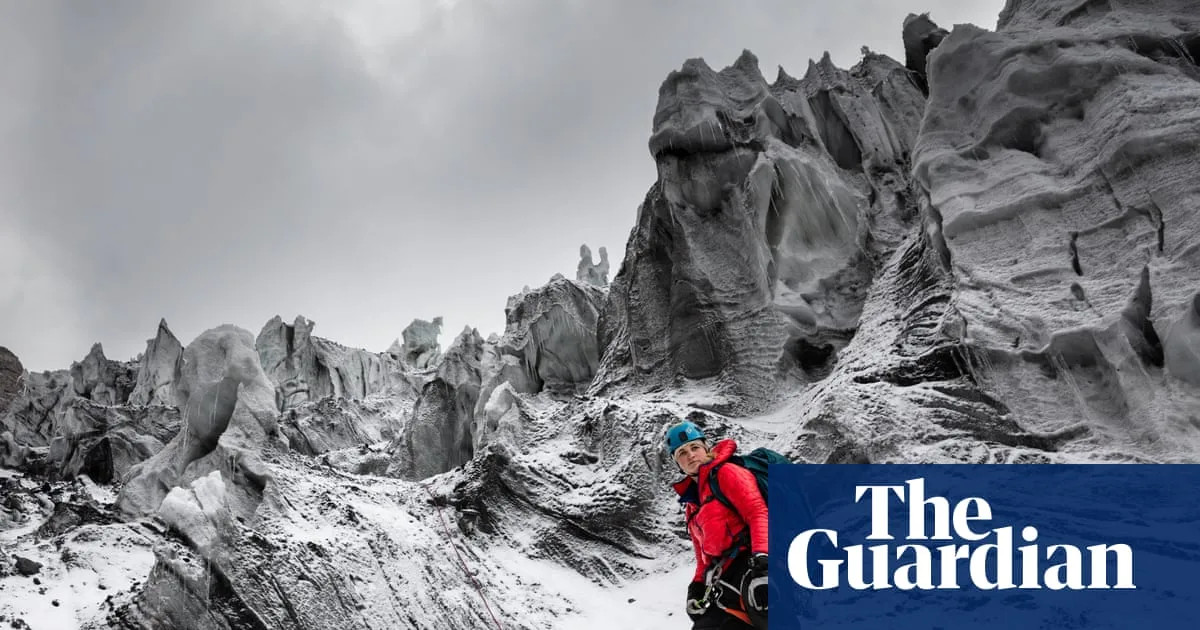
The journey to base camp immediately raised concerns. Their aging helicopter flew dangerously low over jagged glacier ice, with a visible hole in its structure. "You could see it from the helicopter because there was a gaping hole in the back – a part was missing because it was so old," Shepherd recalls. After being dropped on the glacier with a handful of other climbers, they were scheduled to be collected a month later.

Wide Pickt banner — collaborative shopping lists app for Telegram, phone mockup with grocery list

Technical Challenges and Mounting Pressure

The climbing conditions proved far more demanding than anticipated from online accounts. Each day involved treacherous ice climbing, unstable crevasses, and the constant threat of avalanches and rockfalls. Climbers faced a strict daily deadline – being off certain ice walls by 4pm to avoid catastrophic landslides as the terrain melted.

Even the safety infrastructure proved inadequate. "The fixed lines – ropes put in place to assist climbers – turned out to be unusable; they were more like garden twine," Shepherd notes. Fortunately, they had brought their own professional equipment.

Despite these objective dangers, Shepherd's unease stemmed from something deeper than the challenging conditions. "It wasn't fear of failure or letting other people down – I'd turned back or dropped out of climbs many times before," she explains. "It was something quieter, harder to define."

The Decision to Descend and an Unexpected Escape

After reaching approximately 6,800 metres on Korzhenevskaya Peak (now called Ozodi Peak), Shepherd and Tim made the cautious decision to turn back, deeming the risks unjustifiable. Returning to base camp, they faced a five-day wait until their scheduled helicopter pickup on August 12.

Shepherd repeatedly asked local coordinators about leaving early but encountered reluctance to alter schedules, compounded by language barriers with Russian-speaking staff. "We were isolated and tired, but I had to accept that we would just have to wait," she remembers.

Then, the day before their scheduled departure, an unexpected opportunity arose. Hearing distant helicopter rotors, they learned another pickup was occurring. Someone shouted Shepherd's name, offering them a chance to squeeze onto the earlier flight if they moved quickly.

"We packed in a blur and ran," Shepherd recounts, describing how altitude sickness and exhaustion made every step painful. The helicopter barely cleared the glacier peak during takeoff. Throughout the tense flight, Shepherd and Tim held hands, finally experiencing relief upon safe landing.

The Tragic Aftermath and Life-Saving Intuition

The following day, the same helicopter returned to collect the remaining climbers on what would have been Shepherd's scheduled flight. Tragically, it never returned. The aircraft crashed into the glacier, killing five people. Thirteen survivors endured a terrifying night among the wreckage before rescue.

Most chillingly, the two passengers who perished had been sitting in the exact seats Shepherd and Tim occupied during their earlier flight. The helicopter's tail struck an ice tower and detached, taking those rear seats with it and sending the aircraft into freefall.

Back in London, Shepherd reflected on how this expedition differed from her many previous adventures. "I couldn't help but reflect on how the trip to Tajikistan had felt different from the start," she observes.

Pickt after-article banner — collaborative shopping lists app with family illustration

Learning to Distinguish Fear from Intuition

The experience transformed Shepherd's understanding of instinct versus fear. "I have learned that fear and intuition are not the same thing," she explains. "Fear shouts and wants you to stop; gut instinct is often quieter and doesn't always explain itself. It just asks you to pay attention."

She now advocates for trusting those subtle internal warnings, even when they seem illogical. "These days, if something doesn't feel right, I don't ignore it," Shepherd emphasizes. "I know the importance of speaking up and taking action. You may not always get another chance."

Shepherd's memoir, Into the Wild, detailing her adventures and this life-altering experience, is published by Penguin Michael Joseph.