More than one hundred and sixty anti-tobacco and public health organisations are urgently calling for Formula One to implement a comprehensive ban on sponsorship agreements with tobacco corporations that promote addictive nicotine pouch products. Campaigners argue these partnerships directly target the sport's rapidly expanding youth audience, creating a significant ethical conflict.
Current Sponsorship Deals Under Scrutiny
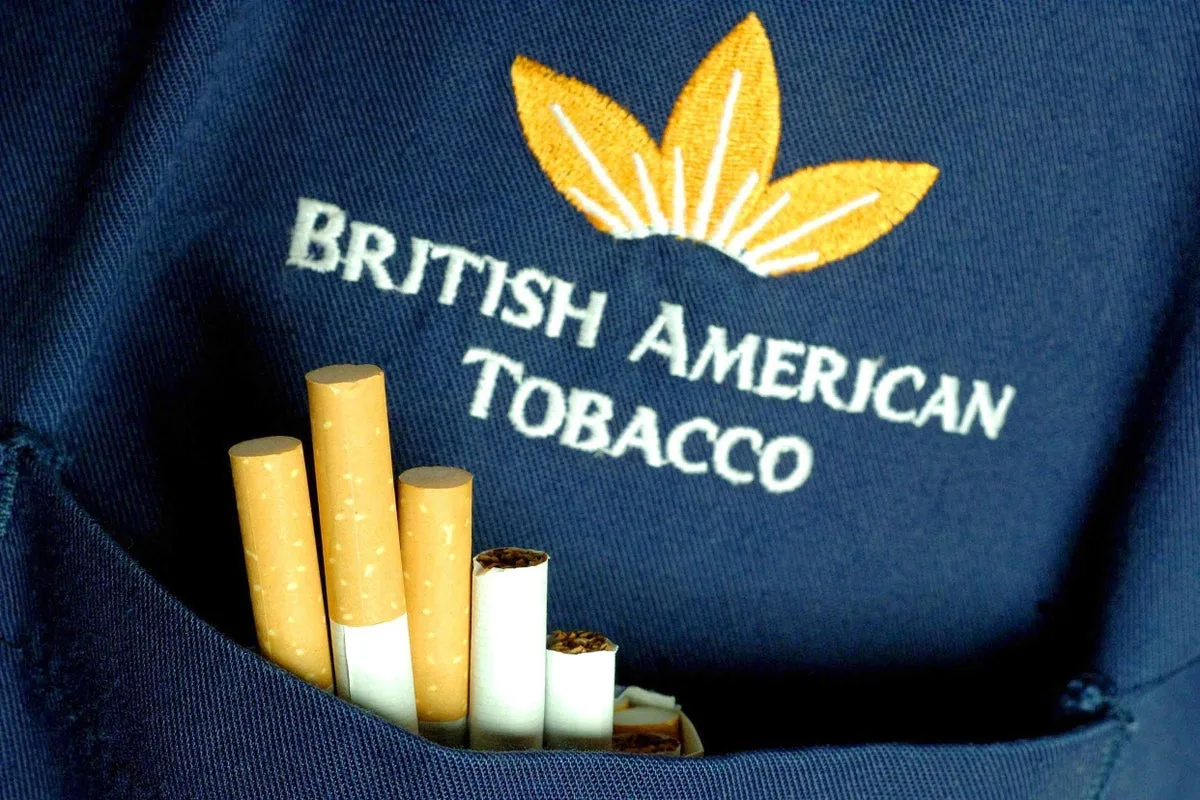
Philip Morris International currently sponsors the prestigious Scuderia Ferrari team, prominently featuring their Zyn nicotine pouch brand across racing events. Meanwhile, British American Tobacco maintains a substantial sponsorship arrangement with the McLaren F1 team, showcasing their Velo nicotine pouch products through extensive branding on driver uniforms, vehicles, and event displays.
The partnership between Zyn and Ferrari was notably extended in December to include additional racing events throughout the season. British American Tobacco has planned special livery featuring Velo branding for the upcoming 2025 Abu Dhabi Grand Prix, ensuring maximum visibility during one of the championship's most watched events.
Organised Campaign Pressure
In formal correspondence obtained by Reuters, organisations including the influential Campaign for Tobacco-Free Kids and the American Lung Association presented a united front. Their letters stated unequivocally: "By sponsoring F1 teams, tobacco companies are deliberately seeking to reach the same young demographic that Formula One has worked diligently to attract through strategic marketing initiatives."
The campaigners addressed their concerns directly to the Formula One Group, the sport's commercial rights holder, adding a stern warning: "Formula One must not become complicit in these targeted efforts to expose young people to addictive nicotine products." The health advocates also dispatched separate communications to prominent F1 partners with substantial youth followings, including entertainment giant Disney and toy manufacturer Lego, urging them to advocate for prohibition of nicotine pouch sponsorships within the sport.
Defensive Responses from Involved Parties
When confronted with concerns regarding these sponsorship arrangements and the sport's growing young audience, the Formula One Group issued a statement asserting their compliance with all applicable laws and regulations governing sponsorship agreements. Both tobacco corporations maintained consistent positions regarding their marketing strategies.
A spokesperson for Philip Morris International addressed questions about their F1 sponsorship by stating: "Adult consumers of nicotine products, like all adults, have diverse hobbies, interests, and attend sporting events regularly. Our marketing approach simply meets them where they naturally congregate." British American Tobacco emphasized that their McLaren-related promotional activities strictly adhere to established regulatory frameworks. McLaren Racing noted that BAT's digital marketing initiatives incorporate age-restriction mechanisms, while Scuderia Ferrari offered no immediate commentary on the controversy.
Youth Audience Expansion Creates Concern
Formula One has experienced remarkable growth among younger demographics in recent years. Official 2025 data released by the sport indicated nearly four million children aged between eight and twelve years actively watch Formula One racing across both the United States and European Union markets. The sport has consciously cultivated this younger audience through strategic collaborations with youth-oriented brands including Disney, Lego, and Hot Wheels, complemented by aggressive social media engagement and popular streaming content such as Netflix's acclaimed Drive to Survive documentary series.
Yolanda Richardson, President and Chief Executive Officer of the Campaign for Tobacco-Free Kids, issued a powerful statement calling for Formula One and its commercial partners to thoroughly reconsider their relationships with the tobacco industry, even concerning newer product categories. She declared: "These marketing efforts share the identical fundamental objective, which is to addict young people early in their development and create lifelong nicotine dependencies that persist for decades."
Academic Perspectives on Harm Reduction
Interestingly, even academic researchers who generally support nicotine pouches as potentially reduced-harm alternatives to traditional cigarettes expressed reservations about sports sponsorship as an appropriate promotional channel. Karl Erik Lund, a senior researcher at the Norwegian Institute of Public Health, acknowledged that nicotine pouches present fewer health risks than combustible cigarettes but emphasized they are not completely risk-free products that should be marketed exclusively to former smokers seeking alternatives.
Ken Warner, an emeritus professor at the University of Michigan School of Public Health, offered critical analysis: "Tobacco corporations understand perfectly that motorsport racing attracts substantial adolescent viewership globally. Their persistent sponsorship activities in this arena reveal their genuine marketing priorities and target demographics."
The controversy emerges as nicotine pouches represent one of the fastest growing product categories within the tobacco industry, central to corporate strategies positioning themselves as focused on providing lower-risk alternatives for existing adult smokers. However, health campaigners insist that sports sponsorships fundamentally undermine these purported harm reduction objectives by exposing new generations to addictive nicotine products through glamorous sporting associations.