US Sprinting's Doping Crisis: Betrayal and Bans Cast Shadow Over LA 2028
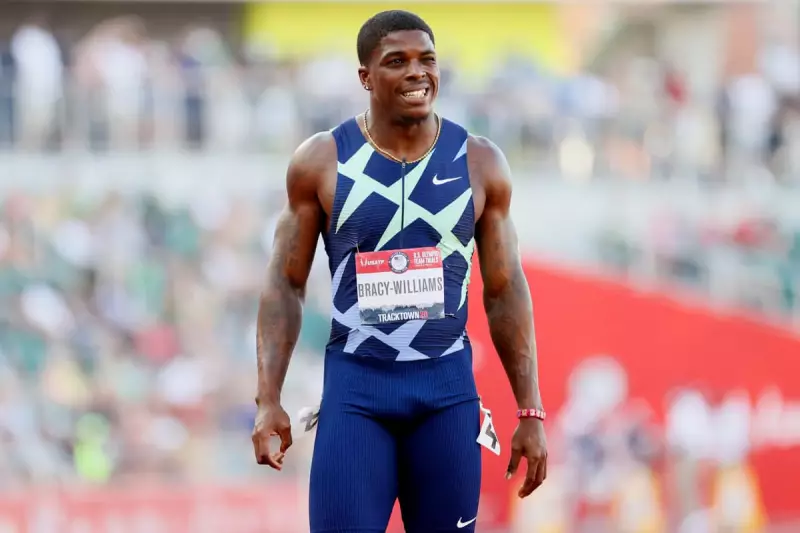
Marvin Bracy-Williams, once a promising figure in American sprinting, now finds himself at the centre of a scandal that threatens to undermine the sport's integrity ahead of the 2028 Los Angeles Olympics. His journey from aspiring champion to banned athlete has laid bare a world gripped by doping, whispered betrayals, and deep-seated distrust among competitors and coaches alike.
From Silver Medals to Doping Allegations
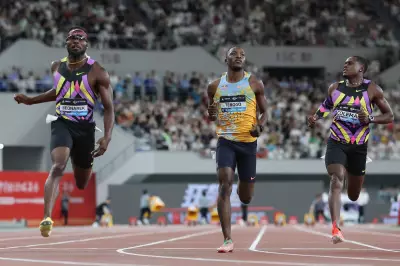
Bracy-Williams dreamed of joining the ranks of legends like Carl Lewis and Michael Johnson, but his career was often marked by near-misses. With a personal best of 9.85 seconds in the 100 metres, he secured silver at the 2014 world indoors and the 2022 world championships, yet he struggled to claim the top spot. By 2023, at age 29, he failed to make the USA team for the world championships, leading to growing frustrations about his place in the sport.
According to Monzavous "Rae" Edwards, a former elite sprinter and gym owner in Dallas, Bracy-Williams began to question whether honest hard work was enough in a landscape where doping seemed prevalent. Edwards recounted conversations where Bracy-Williams expressed disbelief at his rivals' superiority, stating, "Everything I've done, I've done the right way ... My entire life I've always been looked at as second best."

A Fateful Decision and Unexpected Betrayal
In autumn 2023, what started as a joke between Edwards and Bracy-Williams about obtaining performance-enhancing drugs quickly turned serious. Edwards, who had connections to an alleged steroid supplier, Paul Askew, provided Bracy-Williams with access. Edwards later reflected, "It was literally a joke at first and next thing I know, it's no longer a joke." Bracy-Williams, feeling pressured to keep up, decided to use testosterone, a decision that would have severe consequences.
The US Anti-Doping Agency received a tip from a whistleblower in early 2024, leading to a targeted test that caught Bracy-Williams with elevated testosterone levels. Edwards revealed, "The only thing that got Marv caught is because Marv told [an associate about his doping]. They came and tested Marv the very next day." This betrayal from within his inner circle highlighted the culture of snitching that pervades US sprinting.
Failed Cooperation and Lengthening Shadows
In an attempt to reduce his sentence, Bracy-Williams agreed to cooperate with Usada, providing information on drug-dealing networks. However, he proved unreliable, missing three tests within a year and incurring another sanction. Ultimately, he received a 45-month ban in November, but the fallout continues. Edwards has named an insider as the informant, though without evidence, and threatens to expose more secrets, claiming, "I'm going to burn the whole of track and field down."
Controversial Coaching and Lingering Doubts
Prior to his downfall, Bracy-Williams switched coaches to train with Dennis Mitchell, a figure with a controversial past. Mitchell, named Nike Coach of the Year by US Track and Field, has coached champions like Melissa Jefferson-Wooden and Justin Gatlin, but he himself tested positive for testosterone in 1998 and served a two-year ban. His lawyer, Ryan J Stevens, asserts Mitchell's commitment to clean sport, but critics like Edwards argue, "You can't just remove the cloud."
Olympic gold medallist Gabby Thomas has voiced strong opinions, stating that doping coaches should face lifetime bans and that athletes training under them are complicit. This sentiment reflects the growing tension within the sport as the 2028 LA Games approach, where US dominance in sprints could be overshadowed by ongoing recriminations.
The Chilling Reality for Future Competitions
Edwards believes that Bracy-Williams' case has not deterred others but rather encouraged more caution among those involved in doping. He noted, "I think Marv's situation pretty much told the ones that are doing it we just got to be more careful." This outlook suggests that the problem may persist, casting a long shadow over the upcoming Olympics.

As the athletics community grapples with these issues, the focus turns to whether US sprinting can clean up its act in time for a home Games. With trust eroded and whispers of betrayal echoing through the ranks, the path to LA 2028 is fraught with challenges that extend far beyond the track.