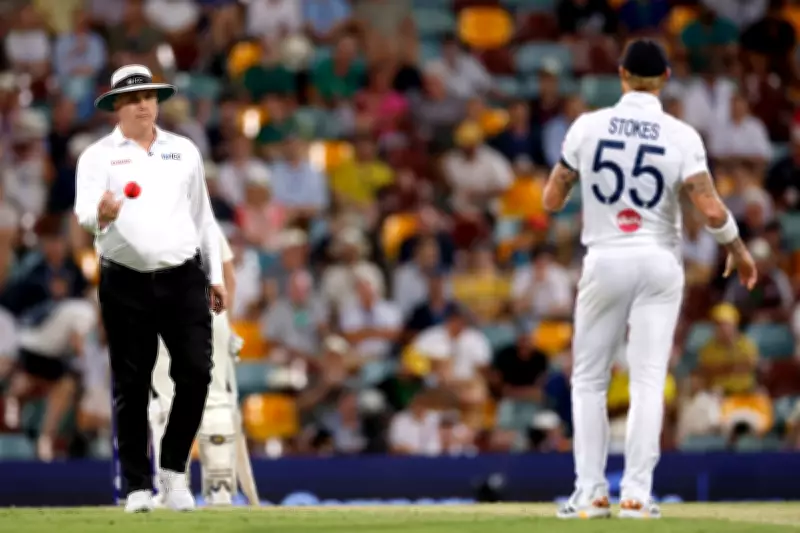
The International Cricket Council (ICC) is set to trial the use of pink balls during periods of bad light in Test matches, a move aimed at curbing the significant amount of playing time lost due to poor visibility conditions. This initiative requires prior agreement from both competing teams and forms part of a broader ICC strategy to address the long-standing problem.
Pink Ball Trial Details
Pink balls, which have been used in day/night Test cricket since 2015, are designed to offer balanced visibility in conditions transitioning from daylight to floodlights. To date, 25 men's and four women's Test matches have been played with pink balls. The trial will allow match officials to switch to the pink ball when natural light deteriorates, subject to both captains' consent.
Additional Regulation Changes
The ICC board has also approved several other regulation changes. Match officials will now have access to Hawk-Eye data when assessing reports of illegal bowling actions, providing more precise analysis. Additionally, coaches will be permitted to consult with their teams during scheduled drinks intervals, a move intended to enhance tactical discussions without disrupting play.

Concerns Over Franchise Cricket
The ICC board expressed growing concerns about the expanding influence of franchise cricket on the international calendar. To address this, a committee will be established to work towards harmonising short-format leagues with the existing international cricket schedule, aiming to protect the primacy of bilateral and multilateral international cricket.
This trial is part of a wider ICC effort, which includes collaboration with the Marylebone Cricket Club (MCC) to research and develop new lighting technology for match officials and venues. The goal is to further minimise stoppages due to bad light, ensuring more uninterrupted play in Test cricket.