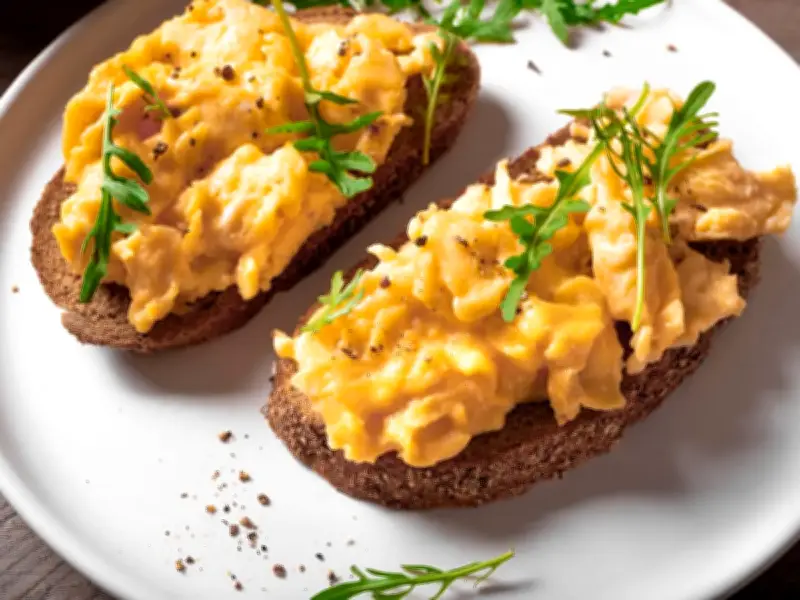
Chefs unanimously agree on the key to restaurant-quality scrambled eggs: cook them on low heat. This simple approach, endorsed by multiple professional chefs, transforms everyday scrambled eggs into a soft, velvety dish.
Scrambled eggs are a household favourite, enjoyed at virtually any hour as a breakfast component, a lunch option, or a complement to evening meals. While not the most challenging dish to prepare, they can easily become watery and loose or too solid and chewy. The cooking method is often the culprit.
Chefs' unanimous advice: low and slow
Mark Sargeant, who worked alongside Gordon Ramsay for 13 years and is chef-in-residence at The Victoria Oxshott, encourages home cooks to prepare scrambled eggs gradually. He explained: "For me, the secret to restaurant-quality scrambled eggs is patience. I use very fresh eggs, beat them lightly with a fork rather than a whisk, and cook them very slowly in plenty of butter in a heavy-bottomed pan."
Sophie Nahmad, lead recipe developer at Gousto, also stressed patience: "The secret to restaurant-quality scrambled eggs is patience. Cook them low and slow, gently fold them without overmixing so you get big, soft curds, and take them off the heat while they still look a little too soft, because they'll carry on cooking on the way to the plate."
Remove from heat early
Chef Dennis Littley highlighted the importance of removing eggs from the heat earlier than you think. He shared: "The most important step is knowing when to stop cooking. I take scrambled eggs off the heat while they still look slightly softer and creamier than I want them to be. The residual heat in the pan continues to cook the eggs."
George Ryle, in-house chef at Swaledale Butchers, similarly advocates gentle heat and early removal. He explained: "As they start to thicken, take the pan off the hob but keep stirring. Return it to the heat as needed. You've got much more control that way." He also advises having toast ready first, as leaving eggs in the hot pan while sorting toast is enough to overcook them.
Oil or butter?
While many chefs recommend butter, Michelle Doll Olson, Head Chef & Associate Director, Culinary at HelloFresh, opts for olive oil. She said: "Extra virgin olive oil has to be the best oil to use when making silky scrambled eggs, it gives your meal a floral and peppery taste." She pours cold olive oil into the pan, adds eggs while it remains cool, then increases temperature to emulsify for a smooth finish.
Chef Stuart Gillies, proprietor of Number Eight and Bank House, adds crème fraîche just before serving for creamier eggs. He shared: "Add crème fraiche at the end, then season. For a healthier version use yoghurt instead of crème fraiche, both are delicious."