On a sunny Melbourne winter morning, I visited the State Library of Victoria to catch up with a friend and stumbled upon an exhibition of heartfelt letters and souvenirs that lovers have shared through the ages.
A Lost Universe Rediscovered
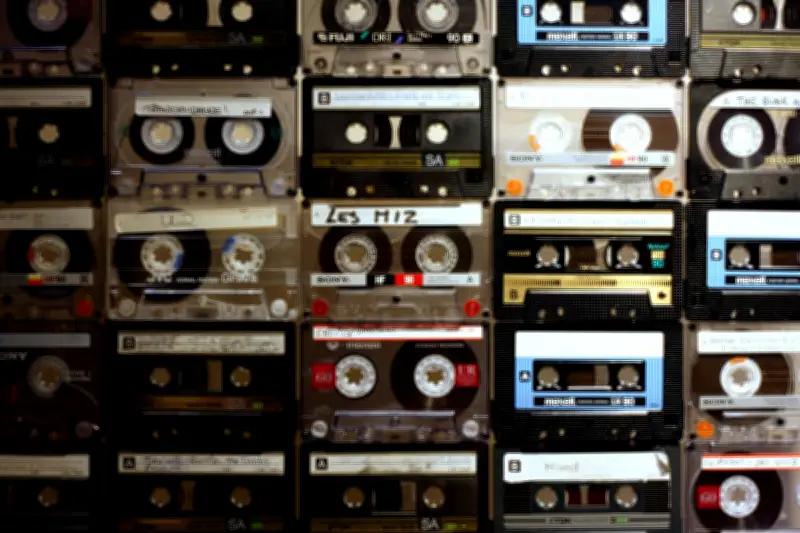
What truly caught my eye was a glass box in a neglected corner containing cassette tapes from the past century. It felt like rediscovering a lost universe. Beyond the music of their time, these palm-sized objects remind me of the tapes that carried the voices of loved ones in the pre-internet era of my childhood in Pakistan, when telephones were still a luxury.
Our entire family would gather in the evening to listen to recordings made by relatives. It was a source of great healing to hear the voices of family back in Afghanistan during a time when we struggled with the misery of refugee life.

Voices from a War-Torn Homeland
The tapes were brought to us in the 1990s by travellers from across the Middle East, Afghanistan, India and Iran, where Afghan refugees had taken shelter. They contained the voices of people uprooted by the invasion of our home country. They would narrate stories about their daily ordeals, from the bombing of their villages to crossing borders on foot, and their struggle to carve out new lives.
Dad was among the few educated men in our village, with a habit of listening to radio news and a fondness for classical Indian music. One of his most treasured possessions was a Japanese cassette player with a built-in radio that he bought in Hong Kong while it was under British rule. Mum would play a 60-minute tape sent by her youngest sister, Babo, almost every other evening until a new one arrived.
Babo's Heartfelt Recordings
Babo had to stay in Afghanistan during those deadly times as she was expecting a baby, and her village was trapped from all sides by warring parties, making it impossible to flee. I vividly remember everyone's tone and way of talking on those tapes. Babo would begin with a warm and emotional greeting to all members of the clan, mentioning their names and her feelings towards each one, before starting a well-narrated story about what had been happening. She would sign off in her signature sweet way with greetings and best wishes. I'll never forget Mum's tears when she heard about droughts back home, bombings, or someone getting sick or dying.
The recordings from Babo's husband, Ahmadzai, were more like speeches from an election rally, beginning with holy verses and ending abruptly. Mum would always get upset after hearing them, before being cheered by the jolly voices of her nieces and nephews that Babo added to the tape.
Exchanging Stories Across Borders
Mum would treasure her sister's cassettes and grab a random musical cassette by one of Dad's favourite Indian singers to overwrite with her own recordings of stories to send in return. She would make sure I said hello and recited a song or poem to them. In a couple of years, Babo's family managed to flee Afghanistan too and started living with us in Pakistan.
After my dad had a heart attack in the mosque and died, my elder brothers had to move to Saudi Arabia and India as migrant workers to make ends meet. They quickly picked up the tradition of sending cassette recordings home, though they were much shorter messages and usually about practical matters such as schooling, paying bills, and visits to the doctor. As a teenager, I would anxiously await these cassettes to place in my Walkman, the revolutionary pocket cassette player of the era.
Modern Connections
These days I find myself oceans apart from them in Australia, where I live with my wife and children. Our family has our own WhatsApp group where we chat and sometimes send voice notes to each other on special occasions. They are much shorter than the heartfelt, hour-long cassette recordings, but hearing each other's voices still brings me closer to home.
Shadi Khan Saif is an editor, producer and journalist who has worked in Afghanistan, Pakistan, Germany and Australia.