Friday marks the inaugural National Day for Victims and Survivors of Terrorism in the UK, a date chosen to coincide with the United Nations International Day of Remembrance and Tribute to the Victims of Terrorism.
The day was confirmed last year after public consultation, and it will take place in a different location in the UK each year to recognise the widespread impact of terrorism around the country. It is expected to focus on recognising those affected by terror acts, encouraging survivors to access specialist support, spotlighting their stories and educating the public.
Ceremony and silence
A ceremony in central London later on Friday is expected to bring together hundreds of victims, survivors, bereaved families, emergency responders and Government representatives, who will observe a two-minute silence.

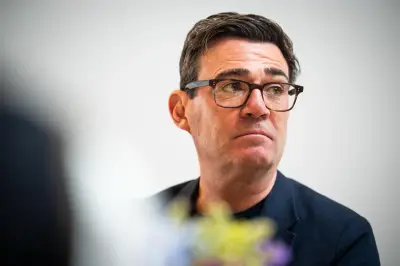
Prime Minister Andy Burnham said the day was a “moment to remember the loved ones lost and anyone who has survived the very worst of humanity”. Security minister Dan Jarvis said “we will never allow terrorism to divide us”.
Survivor's campaign
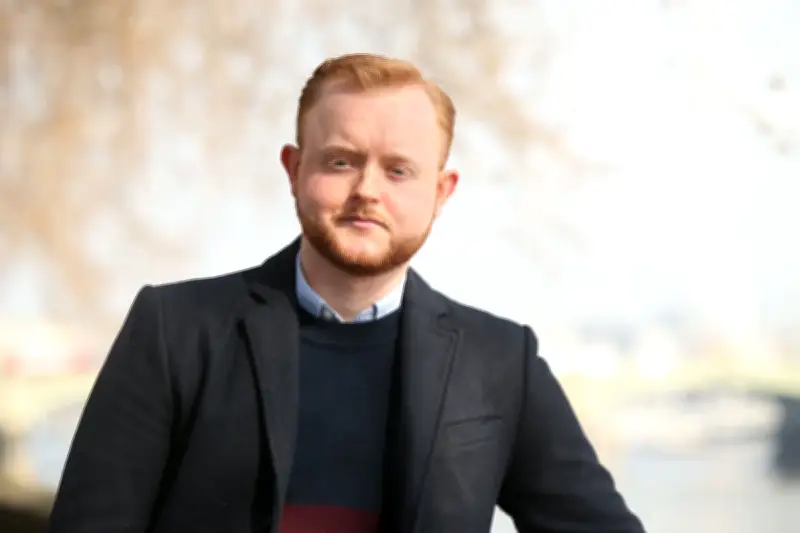
Travis Frain, who was aged 19 when he was injured in the Westminster Bridge attack in 2017, had campaigned for a national day. Frain, now aged 28 and from Darwen in Lancashire, was hit by a car driven by Khalid Masood in the heart of London that day, having been on a university trip to the capital. The attack led to four pedestrians being killed and a police officer being stabbed to death outside Parliament.
Frain went on to launch the Resilience in Unity organisation to give a voice to victims as well as educate the wider public. He was named on the New Year Honours list in 2023 for services to counter-extremism and to victims of terrorism.
He told the Press Association: “It absolutely has had a lifelong impact on me in the sense that I realised pretty soon after the attack that I couldn’t just put my head down and pretend that it hadn’t affected me, and I had to learn from what had happened and try and find some kind of positive, and some kind of meaning, if that’s even possible, from such a horrific incident.”
Public awareness and prevention
Frain said the national day will help “ensure that we don’t forget the people we’ve lost to terrorism and the people who have survived; that we don’t forget what has happened to them; that we recognise that actually they were not targeted as individuals – they were targeted as representatives of something far bigger, of the values that we all hold, of the nation that we live in”.
He also said it will be a chance to focus the public’s minds on how to spot signs of radicalisation and potentially help prevent future attacks. He told PA: “I think that it’s important that we ensure that, going forward, the public are more aware of what it is that actually they can do to prevent these attacks from occurring in the first place, and whether that might be listening to the voice of victims, ensuring that they know how to support someone who’s been affected by any form of trauma, but certainly by terrorism and violence.
“But also actually knowing how to spot the signs of radicalisation and what to do about it, and how to support someone who might be at risk of being drawn into one of these violent extremist groups.”
He added: “Counter-terrorism shouldn’t just be about the sort of guns blazing stuff that we see on the TV. Of course, unfortunately, there’s a role for that when someone progresses too far down that radicalisation journey.
“But, ultimately, I really do think prevention starts at home. And if we were looking out for one another, if we were a bit more proactive in the way in which we address these issues, then perhaps we can prevent these attacks before arrests need to be made.”
How to mark the day
People are being encouraged by Government to mark the day how they wish, from lighting candles in remembrance, to visiting local memorials, donating to a charity that supports victims, survivors and bereaved families affected by terrorism or planting a tree or flower “as a symbol of hope and resilience”.

Victoria Cummock, whose husband John Cummock was killed in the bombing of Pan Am Flight 103 over Lockerbie, said the day would enable people across the country to “gather in solidarity and fraternity to give voice to the hundreds killed, remember their loved ones, and recognise the survivors and responders whose lives were forever changed” each year.
“We are profoundly grateful to the Government for establishing this National Day for Victims and Survivors of Terrorism, recognising the experiences of those affected by terror attacks both recent and historic,” she said. “We take comfort knowing the support hub will provide community-wide trauma-informed care, empowering us on our road to healing and recovery. Together we can turn trauma into positive purpose and leave a legacy that teaches the world a lesson in humanity.”
Prime Minister Burnham said: “I am proud that we now have a national day to honour victims and survivors of terrorism. There is something remarkable about how we come together as a country in those darkest moments. As time passes, most people go back to their lives, but for those who lived through the trauma, there is no return to normality. Today matters because it says you are not alone. You have not been forgotten. This is a moment to remember the loved ones lost and anyone who has survived the very worst of humanity.”
Security minister Jarvis said: “I am proud to stand with victims and survivors of terrorism as we mark our first ever national day. I know how much this day will mean to people across the country. I encourage everyone to join us by taking some time to reflect on the experiences of victims, survivors and all those whose lives have been changed forever by terrorism. We will never allow terrorism to divide us.”
Head of National Counter Terrorism Policing Laurence Taylor said survivors were “remarkable people” who deserved to be recognised for their “resilience and bravery shown in the face of unimaginable horror”. “Whenever I speak to survivors and victims of terrorism, I am reminded why our work is so important. It is their experiences, their trauma, that drives all of us at Counter Terrorism Policing in our mission to keep people safe,” he said. “It is absolutely right that we now have a formal moment of reflection in the national calendar, but we must never forget that many survivors live with the impact of terrorism every day.”