The Department for Work and Pensions has issued a new update on Motability lease changes, confirming that customers with high essential mileage needs may qualify for additional support beyond a 3,000-mile threshold.
Earlier this year, Motability reduced standard annual mileage allowances for new leases from 20,000 to 10,000 miles and increased excess mileage charges from 5p to 25p per mile. The move prompted concern among users who said some needed to travel much further for work or who lived in more rural areas.
Parliamentary question on mileage charges
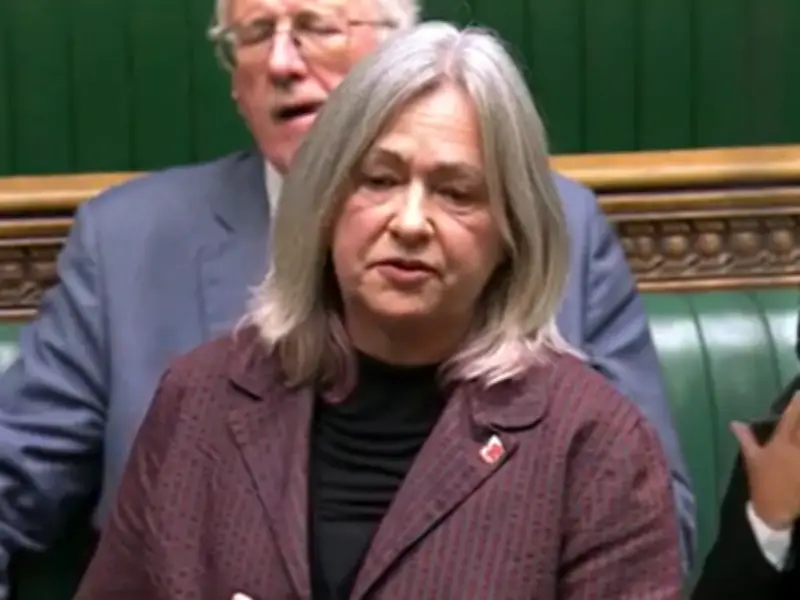
In a written question, Plaid Cymru's Liz Saville Roberts asked the Secretary of State for Work and Pensions Pat McFadden: "What steps is his Department taking to ensure that Motability customers with high essential mileage requirements are not disproportionately disadvantaged by additional mileage charges?"
Sir Stephen Timms, Minister of State for Social Security and Disability, said: "Responsibility for the terms and administration of the Scheme sits with Motability Foundation and its Board of Governors. Department officials and Motability meet regularly to review the Scheme and how it operates to ensure it meets the needs of disabled people.
"After careful consideration of customers' needs, Motability announced that from 1 July 2026, customers who need significantly more travel than the standard mileage allowance for essential healthcare, education or employment journeys may be eligible for additional mileage support. Customers must demonstrate they require more than 3,000 miles a year for these purposes, with support applied to approved miles above that threshold through reduced excess mileage charges, while leisure and holiday travel is excluded."
Rural travel and additional miles
Timms added that the scheme recognises that living in the most rural areas often means having to travel further to access everyday services, so it will provide 3,000 additional miles per year on leases for certain customers. Motability Operations has used data from national governments to identify areas with limited access to essential services, looking at typical travel time to services people regularly rely on, including grocery shopping, healthcare and education.
He said: "The Motability Scheme is operated independently of the Government. Decisions about grants, eligibility, lease terms, mileage allowances and support arrangements are matters for Motability."
Tax changes and scheme reforms
The Motability scheme came under scrutiny last year as luxury brand vehicles like BMWs and Mercedes were reportedly available through it. Then-Chancellor Rachel Reeves removed them from Motability at the Budget, and further measures set out in the autumn are now coming into force. Motability customers who make one-off advance payments for larger and more expensive cars will have to pay VAT, and all new leases will now be covered by the insurance premium tax.
The lease changes followed July plans from the government to save some £1 billion by 2030 through reforms to the Motability scheme. At the time, Work and Pensions Secretary Pat McFadden said: "We're saving £1 billion of taxpayer money by removing VAT relief from some new Motability leases whilst ensuring the scheme still supports disabled people's mobility and independence."
Andrew Miller, chief executive at Motability Operations, the company that runs the Motability scheme, said: "Tax changes announced in the UK Government's Autumn Budget have significantly increased the cost of running the Motability scheme. While we have had to make difficult decisions in response, the changes we are making mean the scheme can keep disabled people connected to freedom and independence now and in the future."