
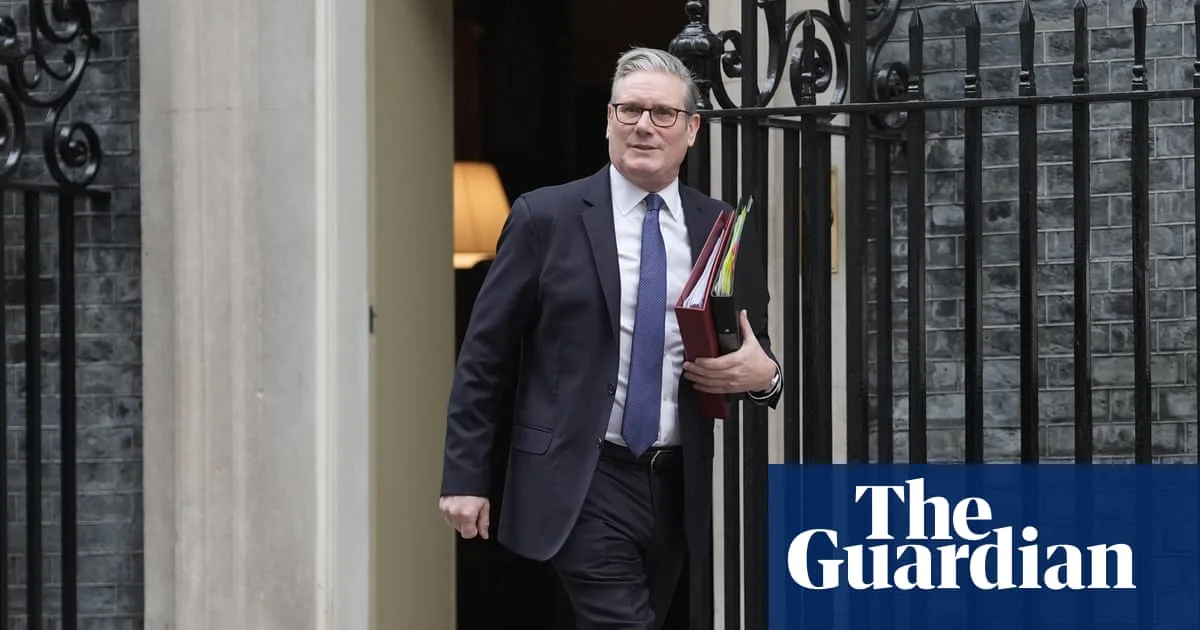
Downing Street has only itself to blame for failing to exercise power over Whitehall, according to experts, after a former No 10 adviser criticised the influence of a 'political perma-class' on government priorities.
Paul Ovenden, a former Downing Street strategist, argued that lobbying by campaign groups, regulators, and trade bodies had distracted the government from voters' concerns. He highlighted the campaign for British-Egyptian activist Alaa Abd el-Fattah as an example of 'fringe issues' consuming time and energy.
However, critics say ministers already have the power to change the system. Alex Thomas of the Institute for Government noted that problems stem from a weak centre, lack of expertise, and poor performance management. Dave Penman of the FDA union added that the civil service did not create the current structures, and change requires strong political will.
Former Labour adviser John McTernan blamed the government for its own errors, including cuts to winter fuel payments and the two-child benefit cap. Tom Baldwin, Starmer's biographer, warned that focusing on Whitehall reform could distract from key issues like living standards and public services.
The government declined to comment on Ovenden's remarks, his first since resigning in September over inappropriate messages.




