
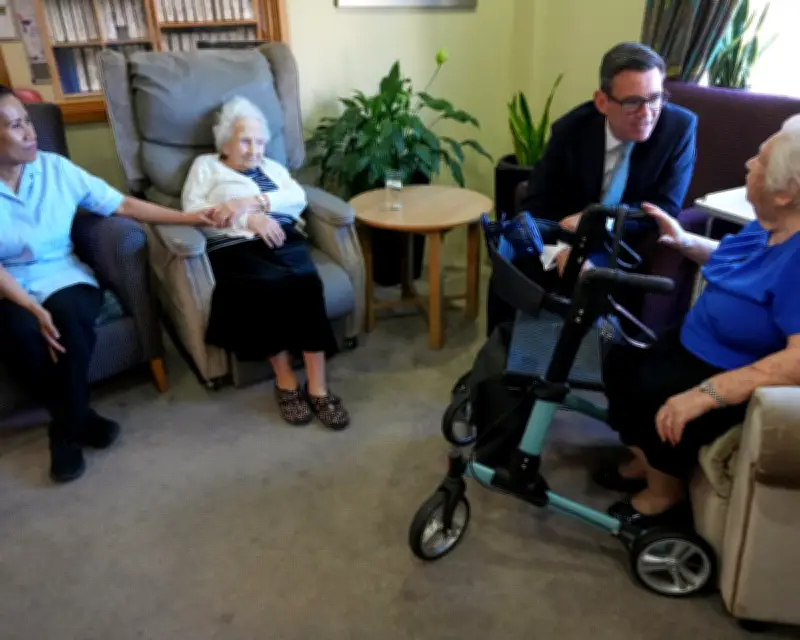
Prime Minister Andy Burnham has revived the long-stalled Casey review into social care reform, promising a report next year. In a speech on Wednesday, he called for a “national conversation” to build cross-party consensus, inviting leaders of the Liberal Democrats and Conservatives but notably not Reform UK or the Greens. The review, originally commissioned by Sir Keir Starmer with a 2028 deadline, will now be overseen by Dame Louise Casey with wider public consultation.
History of Failed Reforms
Burnham’s own attempt as health secretary in 2010—a 10% inheritance levy to fund reforms—was branded a “death tax” by opponents and never introduced. David Cameron accepted the 2011 Dilnot commission’s cap on individual care costs, but cost blocked implementation. Theresa May’s revised means test without a cap was dubbed a “dementia tax” and abandoned. Boris Johnson’s “health and social care levy” with a means test fell to Tory opposition to tax rises. Labour’s 2024 manifesto promised a “national care service,” but Starmer’s commission set a 2028 report date.
Current Approach and Challenges
Burnham acknowledged that tackling social care is a “gamble” politically. He praised care workers, recognising their technical and emotional challenges and the debt owed to immigrant workers. He stated the aim is “more problem solving, less point-scoring.” However, the Conservatives and Reform UK have already signalled opposition to any revenue-raising mechanism they can label an unconscionable tax raid. Burnham has enough Labour MPs to enact reforms without opposition support, but building a lasting consensus will require persuading voters that contributions are necessary and fair.




