
Labour and the centre-left must engage in a genuine debate about ideas they unwisely avoided before the last general election, according to a letter from Patrick Diamond, professor of public policy at Queen Mary University of London and a former Labour special adviser. Responding to a recent column by Polly Toynbee, Diamond argues that the party must have the courage to think anew, not just on challenges like wealth inequality and tax reform, but on its very purpose and ideological mission.
Diamond draws parallels with the 1950s and 1980s, when electoral defeats forced Labour to reappraise its principles in light of changing capitalism and the role of government. He contends that social democracy in the 2020s needs a more discerning approach to markets, given the failures of Thatcher-era privatisation and the avaricious nature of global capitalism driven by tech companies and rising regional inequalities.
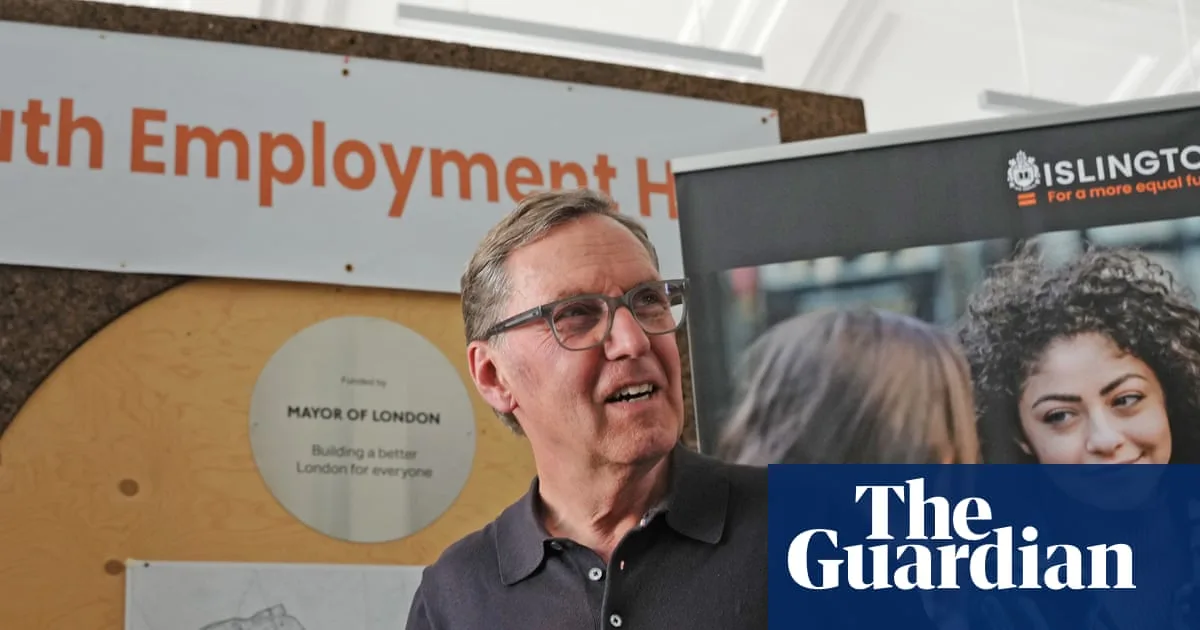
Tom Kelly, prime minister’s spokesman from 2001 to 2007, adds that ideas alone are insufficient; they must be translated into reality by bridging the gap between aspirations and current circumstances. He emphasises the need for openness in discussing trade-offs and the literal and figurative price of delivering policies, citing Alan Milburn’s report on young people not in education, employment or training as an example of the value of deep understanding.
Michael Orton of Coventry criticises Toynbee for lumping together Nigel Farage and Zack Polanski, arguing their analyses are starkly different. He notes that the UK green economy is now worth over £100bn a year, vindicating Green party arguments, and calls for recognition of their efforts rather than dismissal.




