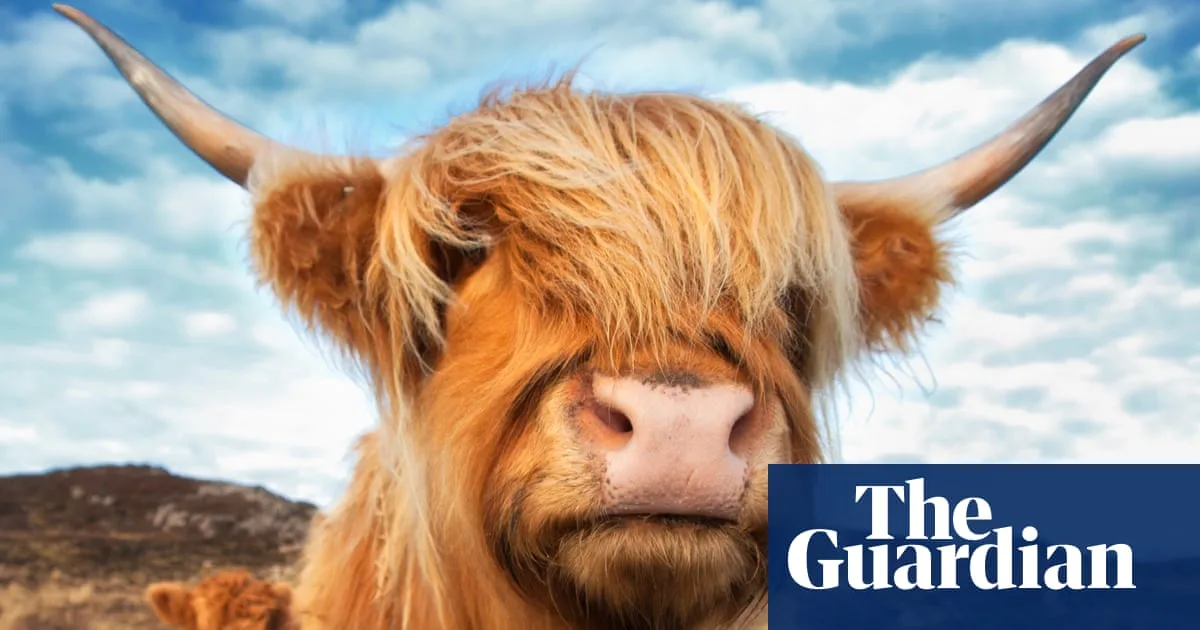
Highland Cows Removed from Kent Nature Reserve After TikTok Fame Causes Distress
Highland Cows Removed After TikTok Fame Causes Distress

Park rangers have been compelled to remove a herd of Highland cows from a protected nature reserve in Kent after a sudden surge of social media attention led to visitors repeatedly ignoring critical safety warnings. The rustic cattle, which had been freely grazing at Hothfield Heathlands Nature Reserve near Ashford, unexpectedly achieved online stardom last month, attracting hundreds of thousands of views on platforms like TikTok.

Viral Fame Leads to Dangerous Behaviour

As the Highland cows' popularity exploded, Kent Wildlife Trust, which manages the site, issued urgent appeals for visitors to maintain a safe distance of at least ten metres. Despite these stressed guidance, new arrivals began actively approaching the animals, attempting to pet them and capture close-up photographs or videos. Multiple TikTok clips documented individuals leaving designated paths to stand alongside the grazing cattle, with some even trying to touch them.

Clear Signs of Animal Distress

Wildlife experts emphasised that these cattle are not domesticated pets but conservation grazers performing vital ecosystem engineering work. The trust noted that videos often showed the cows displaying unambiguous signs of distress, such as shaking their horns when influencers approached. The constant disruption prevented the animals from sleeping and eating normally, leaving them unsettled and unable to fulfil their ecological roles.

Wide Pickt banner — collaborative shopping lists app for Telegram, phone mockup with grocery list

Ian Rickards, Kent Wildlife Trust area manager, explained: 'The constant pressure will be affecting the animals' ability to behave naturally. Also, the effect of hundreds of people walking off paths across sensitive habitat will be damaging the wildlife the site is designated for.'

Overwhelming Visitor Numbers

The viral social media posts translated into an unprecedented influx of visitors to the normally tranquil sanctuary. Jessica Allam, Senior Wilder Grazing Ranger, reported that over fifty cars filled the small car park in early March, compared to just three or four on a typical weekday. Alison Ruyter, wilder grazing lead, observed: 'People suddenly arrived about four or five weeks ago. We were getting a lot of visitors who were clearly not used to being out in the countryside. People only wanted to get that viral selfie or viral video rather than enjoy the natural landscape.'

Relocation Decision Announced

In a social media statement, Kent Wildlife Trust expressed sadness but confirmed the decision to relocate the Highland cows to an undisclosed location, at least temporarily. The post read: 'We love that people love our animals, but unfortunately lots of people have been ignoring our 10-metre rule and the pressure on the lovely Highlands has become too much. When under pressure, the cows can become distressed and not carry out their jobs as ecosystem engineers. That's best case - and worst case, they could start to react out of fear.'

Long-Term Welfare Concerns

Animal welfare experts warned that such interactions pose serious risks. Ms Allam highlighted: 'When an animal hasn't been handled, it is always a shock and quite stressful for them for somebody to suddenly reach out to them. Animals don't even touch each other unless they're friends. This is like a stranger walking up to you and trying to pet your head.' Stress can lead to reduced grazing, weight loss, increased injury risk from running, and defensive behaviour.

She added a stark reminder: 'They have massive horns, and they know how to use them. They're not quite semi-wild, but they're pretty much untouched.' Highland cows are hardy breeds that spend their entire lives outdoors and are rarely handled by humans except for medical treatment.

Conservation Mission Underscored

Kent Wildlife Trust, supported by more than 31,000 members and 1,000 volunteers, manages eighty-five nature reserves across the county. Hothfield Heathlands represents one of these crucial conservation sites where grazing animals help restore and maintain delicate ecosystems. The trust continues to ask visitors to refrain from approaching, touching, or feeding animals and to keep dogs under control on short leads when visiting any of their reserves.

Pickt after-article banner — collaborative shopping lists app with family illustration