

The United Kingdom is currently hosting the Education World Forum, the largest annual gathering of education and skills ministers globally. This week, ministers are discussing strategies to ensure every child has access to school, improve learning outcomes, and prepare young people for a world marked by instability and technological complexity. This event should highlight British leadership. Instead, it reveals a growing contradiction: the UK positions itself as a convener of education leaders while simultaneously reducing meaningful support for their work.
The Contradiction in UK Aid Policy
This contradiction is most evident in Britain's overseas aid spending. Rather than reversing the previous Conservative government's cuts, the current Labour administration has further reduced the aid budget. The UK's commitment has been slashed from 0.5 per cent of gross national income to 0.3 per cent by 2027, funding an increase in defence spending. This represents the lowest level of aid spending as a share of national income in decades. Education has been particularly affected, with the effective termination of dedicated bilateral education programmes through the Foreign, Commonwealth and Development Office (FCDO) and growing pressure on multilateral funding. Together, these actions demonstrate a clear retreat from one of the UK's longstanding areas of international leadership.
A Retreat from Global Education Leadership
For decades, support for global education was a stable part of Britain's international role, backed by governments across the political spectrum. This support reflected a basic principle: helping children access education is both a moral responsibility and one of the most effective investments in global stability and prosperity. That consensus is now weakening. Labour came into office promising to restore Britain's international standing and rebuild trust with global partners, yet the scale and speed of aid cuts mark a significant departure from those commitments.

This matters not only because of what is being cut, but also because of what is being prioritised instead. The decision to increase defence spending by reducing aid reflects a false view of security, one in which bombs and guns are seen as more stabilising than education and opportunity. Dr Ellie Chowns, Green Party MP for North Herefordshire, who worked in international development and lived in an active conflict zone, argues that global access to education is not a peripheral development goal. It is infrastructure for stability, an investment in global security, and one of the most effective tools for reducing inequality, strengthening institutions, and supporting peaceful societies.
The Scale of the Global Education Crisis
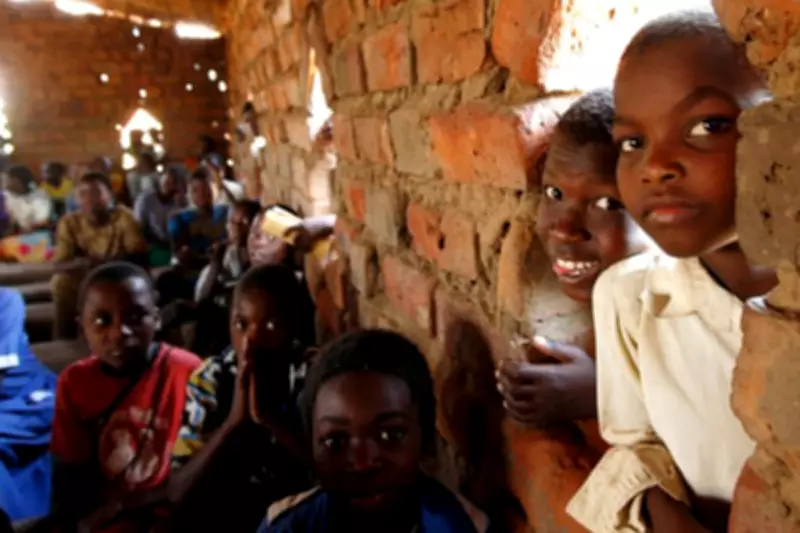
Currently, an estimated 273 million children are out of school worldwide. Around six in ten children in school are not on track to achieve basic literacy and numeracy by age 10. By 2030, more than half of young people globally are expected to leave school without the skills needed for work. Aid is not the primary source of education funding in most countries, and national governments bear the primary responsibility for their own systems. However, external support plays a catalytic role, helping unlock reforms and investments that domestic budgets alone often cannot cover.
Case Study: Malawi
Take Malawi, one of the world's poorest countries, where 97 per cent of the national education budget is allocated to recurrent costs like teacher salaries. External support is critical for funding improvements in teacher training, classrooms, and books. This is precisely the kind of gap that the Global Partnership for Education (GPE) exists to fill. GPE pools international funding to strengthen education systems and reach children who would otherwise be left behind. It is also one of the clearest examples of effective multilateral cooperation that the UK has consistently supported and shaped over many years. Weakening that commitment risks undermining crucial educational progress in low-income countries and further damaging Britain's credibility as a reliable partner in global development.

Isolated Commitments Cannot Disguise a Wider Retreat
The UK has made some important commitments, including an £80 million contribution to Education Cannot Wait, which supports children affected by conflict and crisis. That funding is welcome and urgently needed. However, isolated commitments cannot disguise a wider retreat from sustained education financing, nor an overarching political culture that treats overseas development as an optional extra rather than a fundamental pillar of security. The decisions the UK makes about overseas aid spending over the next five years will shape the next fifty. We cannot afford for global education to fall down the priority list. The government must change course: restore the aid budget, invest in critical educational programmes such as the GPE, and recommit to strengthening Britain's role as a global leader in development, diplomacy, and peacebuilding, so that every child can access the opportunities they need to thrive.





