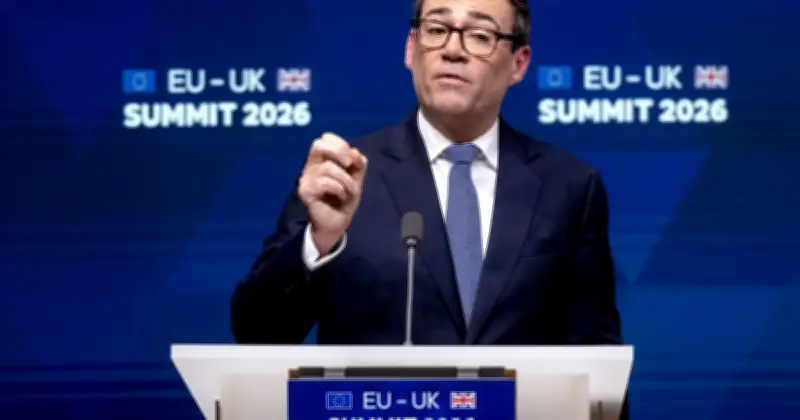
The UK-EU reset negotiated by Prime Minister Andy Burnham could leave Britons facing higher food prices, increased energy bills and fewer opportunities for students, according to campaign group Britain Unbound. The cross-party group, which campaigns for an independent UK, has accused the Government of surrendering control to Brussels while presenting the outcome of the latest UK-EU summit as a victory.
Ministers have claimed the agreements will reduce the cost of living, make business easier and create more opportunities for young people. However, Britain Unbound argues the reality will be very different, warning that the arrangements could impose fresh costs on businesses, taxpayers and households.
Ten ways the reset could leave Britons worse off
The group has set out ten specific concerns about the deal, covering food, energy, trade, immigration and education.
1. Higher food prices - The proposed agri-food agreement will force farms and food businesses to comply with additional rules, including those which do not export to the EU. Britain Unbound argues the extra costs will outweigh any benefits for the relatively small number of businesses exporting across the Channel, with no guarantee of cheaper food for consumers.
2. Brussels takes control of food standards - The deal will require Britain to follow EU rules without having a meaningful say in how they are decided. The group warns this would mean decisions on food and animal welfare standards being made in Brussels rather than Westminster, potentially reversing improvements made since Brexit.
Trade and animal health concerns
3. Fewer opportunities for cheaper imports - Britain Unbound says the UK already had the freedom to reduce trade barriers and allow cheaper food and other goods into the country from Europe and the rest of the world. It warns that realignment with EU rules and tariffs could undermine those freedoms and threaten the UK's post-Brexit trade agreements, including the Comprehensive and Progressive Agreement for Trans-Pacific Partnership.
4. Greater risk of animal diseases - Removing safety checks on food imports from the EU could expose Britain to animal diseases more common in continental Europe, the group warns. These include foot-and-mouth disease and African Swine Fever.
5. Higher energy and import costs - Linking Britain's emissions trading scheme to the EU equivalent could increase costs because European emissions charges are higher. Aligning the UK's proposed Carbon Border Adjustment Mechanism with Brussels could also make energy-intensive imports more expensive, adding to pressure on households.
Immigration, education and business impact
6. More EU workers coming to Britain - The proposed Youth Experience Scheme (YES) could see significantly more EU citizens coming to Britain to work or study than Britons travelling in the opposite direction. Britain Unbound argues the Treasury's projected 0.22% GDP boost relies on increased net immigration, despite the existing youth unemployment crisis. It says even the Treasury acknowledges there would be no GDP-per-head gain once this is taken into account.
7. A £570 million university bill - The Government has committed to concluding negotiations within six months on a supplementary agreement covering tuition fees for EU students. The group warns this could force universities to charge lower fees, leaving taxpayers to plug the gap. Russell Group analysis suggests granting EU students home-fee status could cost universities £570 million.
8. Uncertainty for businesses - Several major questions remain unresolved, including whether Britain will join the EU's proposed 'Made in Europe' scheme and its internal electricity market. Britain Unbound warns both could create significant economic, financial, legal and political difficulties.
Fishing and student exchange concerns
9. Fishing rights handed away until 2038 - The previous reset agreement extended existing EU fishing rights in British waters until 2038. The group argues the reduction in the EU's share of catches is disappointingly small and does not restore meaningful British control over fisheries.
10. Fewer opportunities for students - The UK has also agreed to replace its tailored Turing student exchange scheme with a return to Erasmus. Britain Unbound claims this will restrict opportunities for British students to study elsewhere in the world while requiring taxpayers to spend more subsidising EU participants.
Criticism from advisory council members
Paul Embery, a trade unionist and member of the group's advisory council, said: "Andy Burnham could not have been clearer. If a proposed policy did not work for the people of his own constituency and others like it, it should not go ahead. But his proposal to drag Britain back into the arms of the EU fails this test spectacularly."
Economist Julian Jessop, also a member of the advisory council, said: "The decision to reopen the Brexit debate is already draining political capital and energy that should go towards solving the UK's real economic problems – and for what? Rarely has so much control been surrendered for so little."