
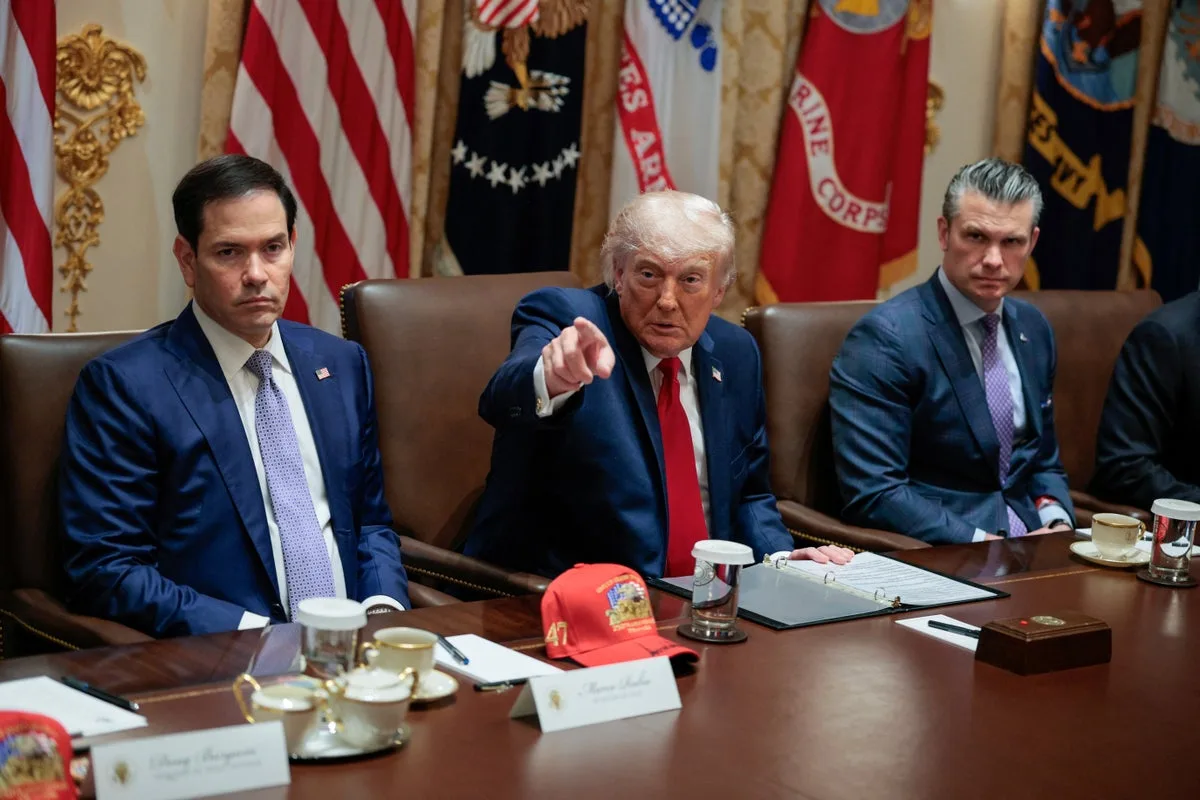
Marco Rubio has told Congress for the first time that the United States will not distribute contraceptives globally, as nearly $10 million worth of taxpayer-funded contraceptive supplies sit in a Belgian warehouse approaching their expiry date, with some already destroyed.
The secretary of state said at a House Appropriations Committee hearing that the administration was acting under executive directive from President Donald Trump not to fund such programmes. “The United States is not going to fund this, it is as simple as that,” he said. The supplies – including birth control pills, intrauterine devices and hormonal implants – were purchased by the US Agency for International Development (USAID) before it was mostly dismantled last year.
In January, 67 members of Congress wrote to Mr Rubio seeking an update, but received no response. Their letter estimated that blocking distribution would lead to 362,000 additional unintended pregnancies, 110,000 unsafe abortions, and 718 preventable maternal deaths.
Reproductive health organisations condemned the move. Nabeeha Kazi Hutchins, president of PAI, said Mr Rubio’s statement “suggests the administration is willing to pick and choose which laws and directives from Congress it will follow”. Sarah Shaw of MSI Reproductive Choices described the decision as “grossly irresponsible” and “ideological”.
MSI data shows that as of March, 14 of 16 African countries where it operates reported being at risk of running out of at least one contraception method. Supply chains that once relied on USAID-funded logistics have stopped functioning, with some health ministries lacking even fuel to move stocks.
The commodity funding gap for 2026 stands at $186 million across 54 countries, with most concentrated in nations such as the Democratic Republic of Congo, Ethiopia, Kenya and Nigeria. Other donors have not filled the hole left by the US withdrawal. In Zimbabwe, the situation has worsened after a second major donor pulled out.




