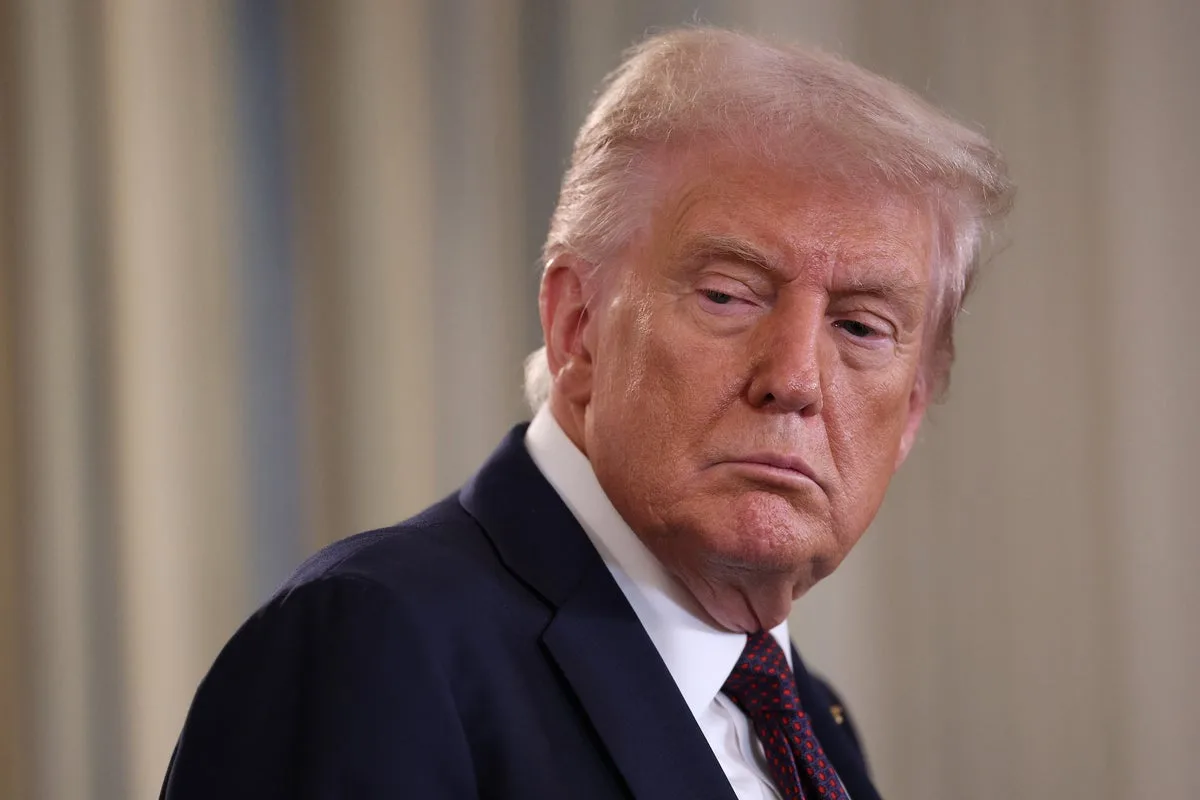
President Donald Trump’s expected attendance at the White House Correspondents’ Association (WHCA) dinner this weekend has reignited debate over the event, with some journalists calling for boycotts. The dinner, often dubbed the “nerd prom,” has drawn criticism for hosting a president who has repeatedly clashed with the press, including suing news organisations and restricting access to the Pentagon.
Former ABC News reporter Lisa Stark and colleague Ian Cameron have circulated a petition urging journalists to “speak forcefully” in defence of the press during the event. The petition has been signed by more than 350 former journalists, including Dan Rather and Sam Donaldson. Some reporters have discussed visible protests, such as wearing lapel pins promoting the First Amendment.
Kelly McBride, NPR ombudsman and head of the Poynter Institute’s ethics centre, wrote that “the only thing more insulting for the press than Trump not coming is Trump coming.” Former Associated Press White House reporter Ron Fournier questioned journalists’ willingness to dine with a president who “mocks you, sues you, and targets you for prosecution.” The top editor at HuffPost said its journalists would not attend.
However, Todd Gilman, a former White House bureau chief and now journalism professor, argued that the press should not make news by snubbing Trump. “There’s a misperception that the correspondents are honouring Trump by having him at the dinner,” he said. The WHCA president, CBS News’ Weijia Jiang, declined to comment.
Trump, who attended the dinner in 2011 as a private citizen, will face uncomfortable moments as the WHCA honours journalists he has criticised, including CNN’s Kaitlan Collins and The Wall Street Journal, which he sued over a story about his birthday message to Jeffrey Epstein. The Associated Press, also in a legal battle with Trump over access, will be recognised as well.
Criticism of the dinner is not new: The New York Times stopped attending in 2011, and The Atlantic wrote about its “slow, awkward death” in 2018. Some journalists defend the event, noting opportunities for personal interactions that can aid reporting. Gilman has brought Mexican ambassadors as guests, while NPR’s Eric Deggans secured an interview with media mogul Byron Allen after a previous dinner.