
President Trump has claimed that the U.S. military is “very much involved” in the construction of his $400 million ballroom at the White House. The president tore down the historic East Wing last year to make way for the 90,000 square-foot project, a move that sparked widespread criticism from lawmakers and officials.
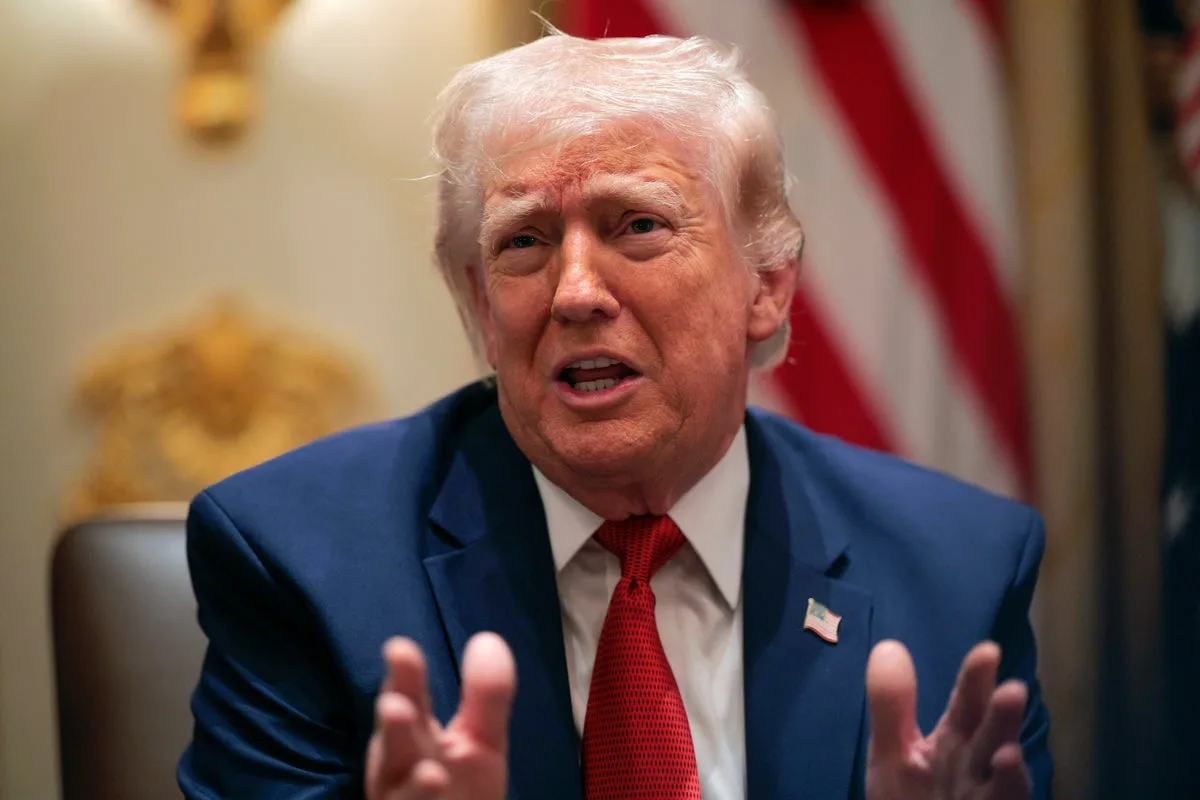
Speaking on Fox News’ The Five, Trump said: “I am building the ballroom, and it’s a very big thing with the military and everything else. The military is very much involved. It’s a big, big deal, and it’s great. It’s going to be beautiful.” He did not elaborate on the military’s role. Later, at a cabinet meeting, he added: “It’s no secret the military wanted it more than anybody. It was supposed to be secret, but it became unsecret because of people that are really unpatriotic saying things.”
The president said the ballroom will be funded by “rich people” and will cost “zero taxpayer dollars.” He previously estimated the price at $400 million, though he said he expects to “do it for less.” A donor list released in October 2025 included Amazon, Apple, Google, Lockheed Martin, Palantir Technologies, and T-Mobile.
The project has faced intense opposition. The National Trust for Historic Preservation sued the Trump administration in December to halt construction. In January 2026, the White House argued in a court filing that stopping demolition of the East Wing would “endanger national security,” citing a “classified declaration.” The East Wing once housed the Presidential Emergency Operations Center, but a source told CNN that all “subterranean structures” beneath the site appear “to be gone.”
Engineering for the ballroom will be led by AECOM, with Clark Construction overseeing construction. The design was overseen by architect Shalom Baranes, who recently criticised Trump’s immigration policies. No exact completion date has been given, though the White House previously said construction would be finished “long before” Trump leaves office in 2028.




