
MPs have backed the Hillsborough Law, officially the Public Office (Accountability) Bill, which imposes a duty on public bodies and officials to tell the truth and co-operate with official investigations. The legislation passed its third reading in the Commons on Tuesday.
Victims minister Catherine Atkinson rejected claims that the bill would endanger national security, stating that it “does not require anyone to breach any other law” and expressly does not override the Official Secrets Act. She noted that employees of intelligence services are protected, but other public servants may also delay notifying until it is safe.
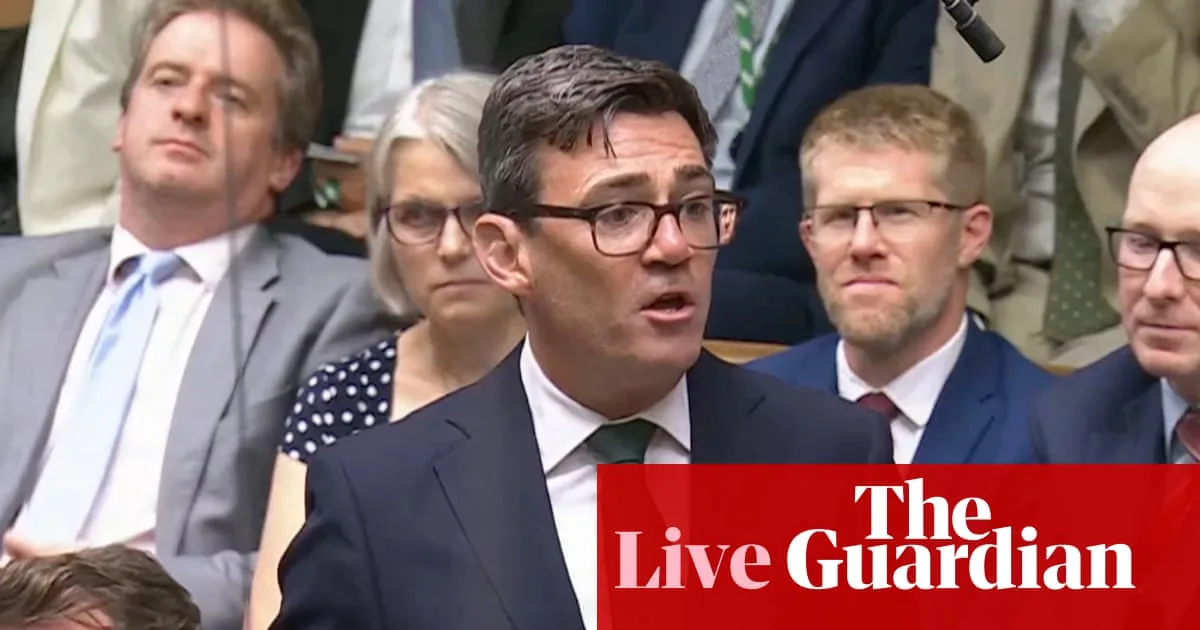
Andy Burnham, speaking in the Commons for the first time as MP for Makerfield, said the law will “put decency back at the heart of the British state” and end the “cover-up culture that has failed so many ordinary people.” He recalled that for 20 years, an entire English city cried injustice over Hillsborough, yet Parliament ignored them.
Sir Keir Starmer described meeting Hillsborough campaigners 15 years ago as a “humbling experience” and said the state’s obstruction was “a stain on our history.” He added that the courage of families who kept going despite barriers was remarkable.
Conservatives opposed the bill, with shadow justice secretary Nick Timothy arguing that intelligence officers must protect their sources, methods, and capabilities, and that the law could prevent them from preventing future tragedies.
Separately, a 28-year-old white British man remains under arrest on suspicion of terrorism and the murder of Ann Widdecombe. Counter-terrorism police confirmed Widdecombe was clearly targeted, and a warrant has been granted to hold the suspect for up to seven days.




