The Conservatives have set out detailed plans to cut £36.1 billion a year from Britain's benefits bill, including slashing housing benefit and payments for mild mental health and physical conditions, and reinstating the two-child benefit cap.
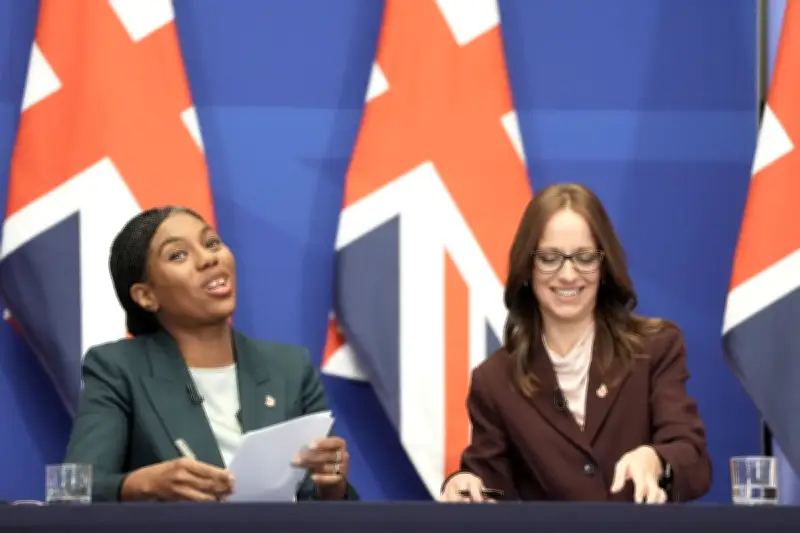
Party leader Kemi Badenoch announced the overall savings target at the Conservative Party conference last month, and on Tuesday the party provided further details at a press conference in Westminster.
Welfare bill described as unsustainable
Badenoch said Britain's £333.8 billion welfare bill is "more than the entire GDP of Ukraine", adding: "The current system is unsustainable."
The proposed cuts include £13.7 billion from reforms to disability and sickness benefits, such as scrapping payments for mild mental health conditions and routine back and joint pain. A further £9.5 billion would come from ending benefit claims for foreign nationals without EU settled status.
Two-child cap and child disability allowance changes
Some £3.1 billion would be saved by limiting child benefits to two children per family, a policy the Tories said was scrapped by Labour last year. Child disability living allowance would be provided as support rather than cash handouts for mild learning and behavioural conditions, saving £2.8 billion.
New plans to tackle fraud and error would raise £1 billion, the party said.
No blame on young people
The Government spends an estimated £333.8 billion on welfare and benefits each year, with pensioners taking the largest share at £161.4 billion. The State Pension alone costs £146.1 billion.
Asked whether there was a risk of blaming young people, Badenoch said: "No one is blaming young people. What we're blaming is the system that has been created where too much money is being spent on welfare and the Government doesn't really want to do anything about it."
Shadow work and pensions secretary Helen Whately indicated the Tories would not spend more money on employment support, while acknowledging some young people coming off welfare would need "intensive" help to get into work. Asked whether there would be more money for training and help for jobseekers, Whately said "there is already substantial funding for those kind of programmes". She added that young people coming off benefits would need "intensive support" to get a job, "but if they don't show up they won't get welfare".